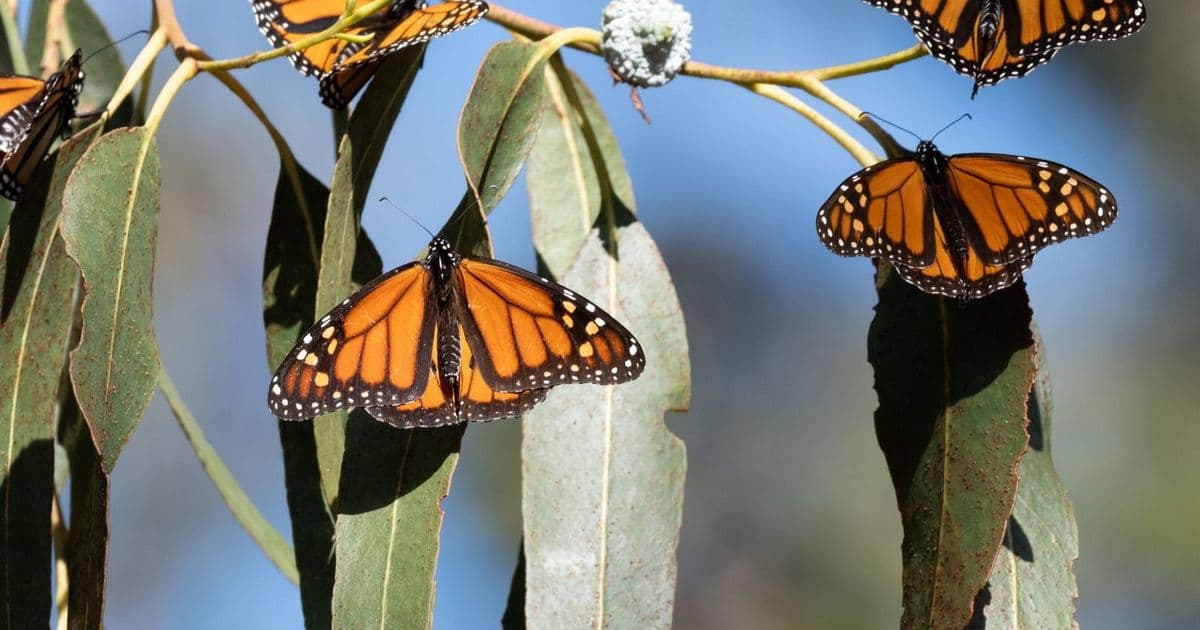
As butterfly populations plummet across North America, conservation organizations are mobilizing with new technologies and strategies to save these vital pollinators before they disappear.
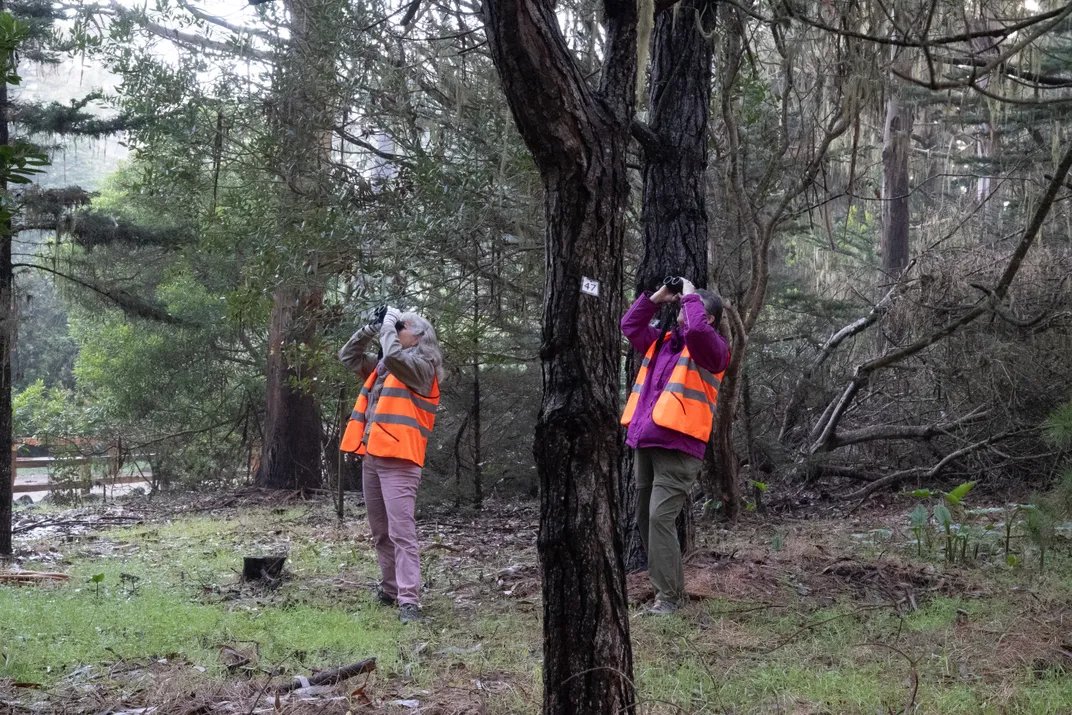
The misty mornings at Pacific Grove's Monarch Sanctuary once hosted tens of thousands of Western Monarch butterflies clustering in the eucalyptus trees. Today, volunteers like Natalie Johnston count only a few hundred—a stark reminder of the dramatic collapse occurring across North America's butterfly populations.
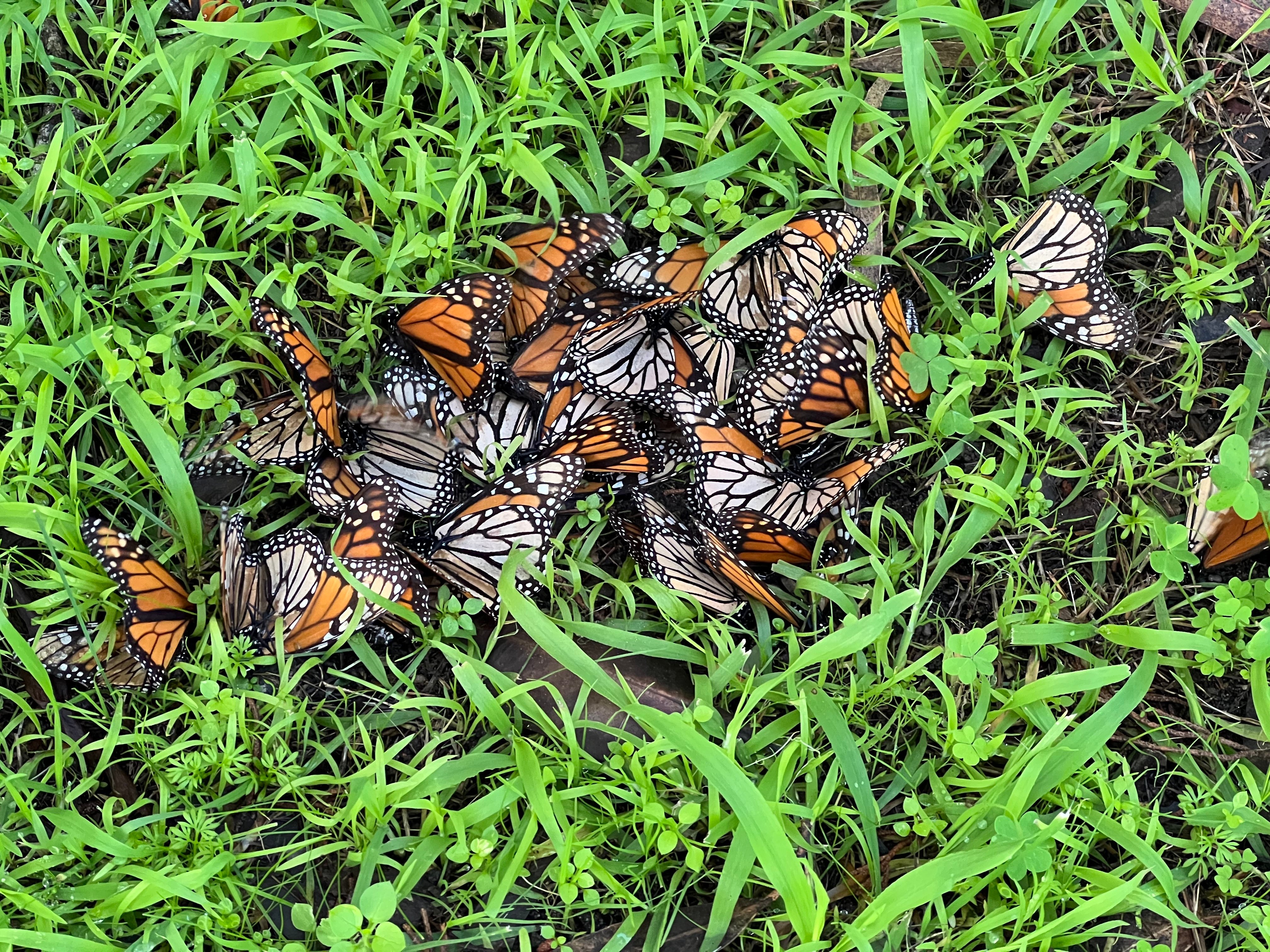
"In 2021, we saw thousands in a single tree," recalls Johnston, the interpretive programs manager at the Pacific Grove Museum of Natural History. "But nothing prepared us for what we witnessed in early 2024 when over 200 dead or dying monarchs were found on private property near the grove."
The toxicology report that followed revealed a cocktail of pesticides in the dead insects' bodies, including toxins commonly found in residential sprays. This mass casualty event represents just one visible symptom of a broader crisis: butterflies across North America are declining at an alarming rate, with Western Monarchs facing a 99% chance of extinction by 2080.
The Science of Decline
A comprehensive study published in the journal Science in March 2025, along with a subsequent State of the Butterflies report from the Xerces Society for Invertebrate Conservation, painted a grim picture. Analyzing 554 butterfly species, researchers found an overall 22% decline from 2000 to 2020 across the United States.
"When a bulldozer comes through, or a giant flood from climate change happens, or a drought happens, or even an invasive species moves in—that's something you can see," explains Scott Black, executive director of the Xerces Society and co-author of the Science study. "But pesticides are essentially invisible. They're an unseen, massive threat."
The pesticide threat is particularly acute for monarch butterflies, which depend exclusively on milkweed plants for survival. Research led by University of Nevada Reno ecologist Matt Forister has consistently found pesticide contamination in milkweed samples across the country.
"In a 2020 study, we couldn't find a milkweed leaf in California's Central Valley that didn't have pesticides in it or on it," Forister reports. "We counted 64 different insecticides, herbicides and fungicides in total. Of this very long list, only a small number have ever been tested on a monarch caterpillar—and that's just the monarch. When you think about the more than 150 other butterflies in the state, we know almost nothing."
Conservation in Action
Against this backdrop of decline, conservation organizations are mobilizing with increasing urgency and sophistication. The Xerces Society, which has been at the forefront of invertebrate conservation for decades, has seen its funding grow by approximately 40% over the past three years as awareness of the insect crisis has expanded.
"We're seeing more interest from both private foundations and government agencies," notes Black. "The recognition that insects are the foundation of our ecosystems is finally sinking in, and funding is beginning to reflect that understanding."
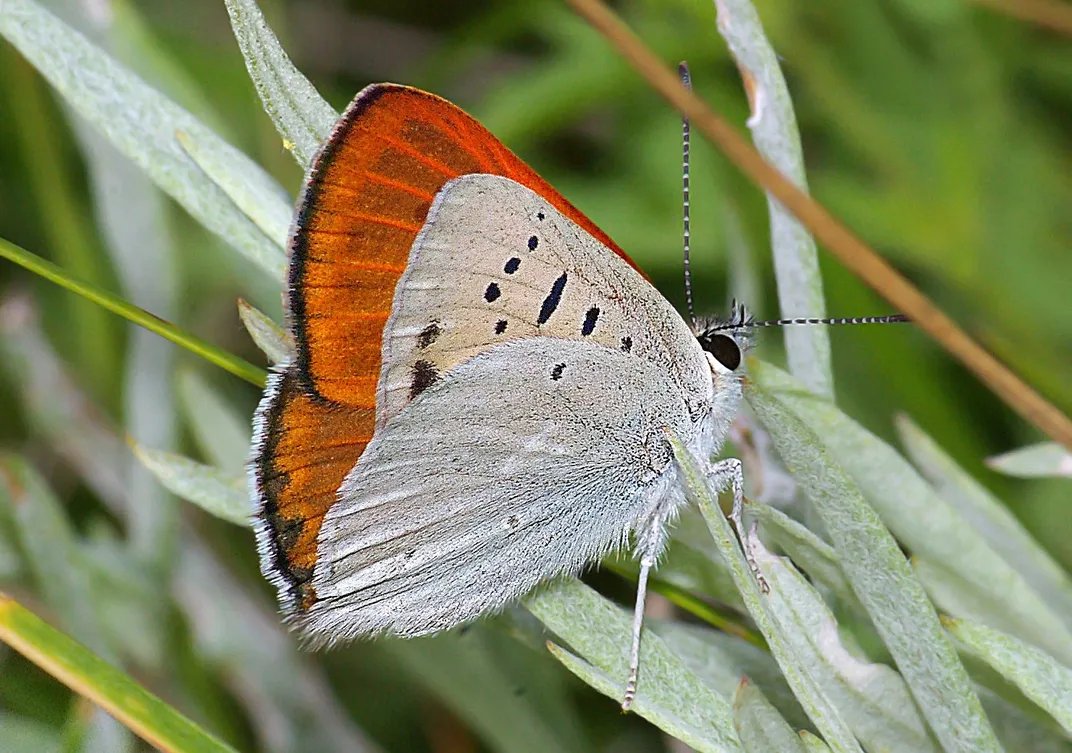
One of the most encouraging success stories comes from Oregon's Willamette Valley, where the Fender's blue butterfly was brought back from the brink of extinction through dedicated habitat restoration. Led by ecologist Cheryl Schultz at Washington State University Vancouver, conservationists restored the butterfly's host plant, Kincaid's lupine, across approximately 90 sites.
"I'm a person who's always focused on the positive and what we can do," Schultz says. "That little butterfly took a few decades, and it took a lot of people and a lot of commitment, but it can happen. I have to hold on to that."
The Fender's blue was downlisted from "endangered" to "threatened" under the Endangered Species Act—a rare victory among insect species. This success has provided a roadmap for other conservation efforts, including those targeting monarch butterflies.
Technological Innovation
Conservationists are increasingly turning to technology to understand and protect migratory butterfly species. At Lighthouse Field State Beach in Santa Cruz, scientists are testing ultralight radio tags that weigh less than a tenth of a gram. When placed on butterflies, these tags can passively ping Bluetooth- and location-enabled cellphones of anyone nearby.
"The data is stored in an app called Project Monarch, which allows us to accurately track where female monarchs lay their eggs after overwintering," explains a researcher involved in the project. "By understanding their migration patterns, we can prioritize conservation sites and provide appropriate habitat for future generations."
This technological approach complements traditional habitat restoration efforts. Diana Magor, a longtime volunteer monarch counter, is researching the benefits of heartleaf milkweed, a variety that grows earlier in the year than more common types. As climate change causes warmer weather to arrive earlier, this characteristic could become crucial for monarch survival.
The Path Forward
Despite the challenges, conservationists remain hopeful about the possibility of reversing butterfly declines. "Insects are just amazing at responding very quickly to anything good that people do," Forister observes. "If people stop putting insecticides in their yards, they'll see more insects. Even in the heart of the Central Valley, we continue to be surprised by the level of resilience."
The Western Monarch population, which counted only 12,260 butterflies across 249 sites during the 2025-26 season, represents both the crisis and the opportunity for intervention. While these numbers are near record lows, they also provide a clear baseline for measuring conservation success.
"There are a lot of people waking up and trying to do this," Black concludes. "Will it be enough? I don't know yet. But when I go out and look at these places and meet the people doing this great work, it keeps me motivated."
The growing butterfly conservation movement represents an emerging field that combines scientific research, technological innovation, and community engagement. As funding increases and awareness grows, these efforts may yet succeed in preserving one of nature's most delicate wonders for future generations.
For those interested in supporting butterfly conservation, the Xerces Society provides numerous resources and opportunities to get involved, from creating pesticide-free gardens to participating in citizen science projects that track butterfly populations.
Comments
Please log in or register to join the discussion