Microsoft announces significant changes to Windows 11 update policy, allowing indefinite pause of updates and restoring user control over system updates for the first time since Windows 10 launched in 2015.
Microsoft has announced a fundamental shift in its Windows update policy, allowing users to indefinitely pause updates in Windows 11. This marks the first major change to the company's mandatory update approach in over eight years, since the introduction of Windows 10 in 2015. The policy revision comes after years of user complaints about forced update interruptions during critical work sessions and gaming activities.
The current Windows update system has long frustrated users with its limited flexibility. While previous iterations allowed postponing updates, the maximum extension period was capped at 35 days. After this period expired, users reported forced update restarts occurring at inopportune moments, including during important meetings or intensive gaming sessions. This rigid approach left users with little control over their system maintenance schedules.
Microsoft outlined four key improvements to the update mechanism in a recent blog post, currently being tested through the Windows Insider Program before wider public rollout:
Deferred Updates on New Devices: New device owners will no longer be forced to install updates immediately upon first setup. Users can now opt to go directly to the desktop and defer updates until a more convenient time.
Flexible Update Scheduling and Indefinite Pausing: The most significant change allows users to schedule updates for specific days or pause them in 35-day increments. Unlike the previous system where the 35-day limit was absolute, users can now extend this pause period repeatedly as needed. "With a new calendar experience, you can choose a specific day of the month you want to pause until, up to 35 days, enabling you to plan around expected travel, conferences, exams, or even just busy weeks," explained Microsoft's Aria Hanson in the blog post. "When 35 days just isn't long enough, we are also enabling you to extend the pause end date as many times as you need."
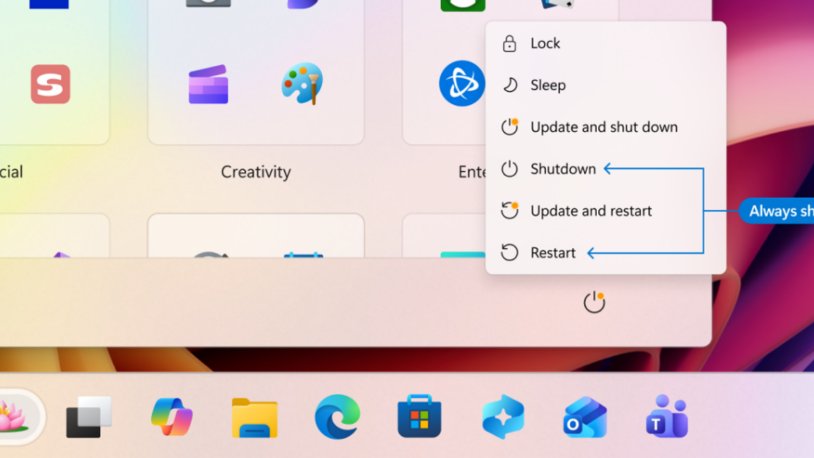
Restored Normal Power Options: The Power menu will consistently display standard Restart and Shut down options, even when updates are pending. Previously, these options were replaced with "Update and shut down" or "Update and restart" whenever updates were due, often accompanied by a yellow notification dot beside the Shut down icon. This change eliminates the need to install pending updates before performing a simple restart or shutdown.
Enhanced Update Transparency: Microsoft will provide more detailed information about available updates, particularly for drivers. The company will now include device class information in driver update titles, clarifying whether updates apply to display, audio, battery, extension, HDC, or other components. This addresses a common issue where driver updates had similar or identical titles, making it difficult for users to understand what was being updated.
Additionally, Microsoft plans to unify updates to reduce the frequency of multiple system updates within a single month, further minimizing disruption to users' workflows.
The policy shift represents a notable departure from Microsoft's previous stance on system updates. While the company maintains that updates remain critical for security, performance, and system stability, the new approach prioritizes user control and predictability. Rather than being "ambushed by updates at the worst possible moment," users can now plan maintenance around their schedules.
These changes arrive as Microsoft faces increasing competition in the operating system space and as users demand more autonomy over their computing environments. The ability to control when updates occur addresses one of the most persistent user complaints about Windows, potentially improving user satisfaction and retention.
The update policy modifications are currently undergoing testing through the Windows Insider Program, with a wider public release expected in the coming months. For more information about these changes, users can refer to Microsoft's official blog post detailing the update improvements.

Etiido Uko, a Microsoft engineer and technical writer with over nine years of experience, notes that these changes represent a significant shift in Microsoft's approach to user experience. "For years, Windows users have had to adapt their schedules to accommodate system updates rather than the other way around. This policy reversal acknowledges that user productivity and convenience should be prioritized alongside system maintenance."
As Windows 11 continues to evolve, these update policy changes may set a new precedent for how operating systems handle critical maintenance while respecting user autonomy and workflow continuity.
Comments
Please log in or register to join the discussion