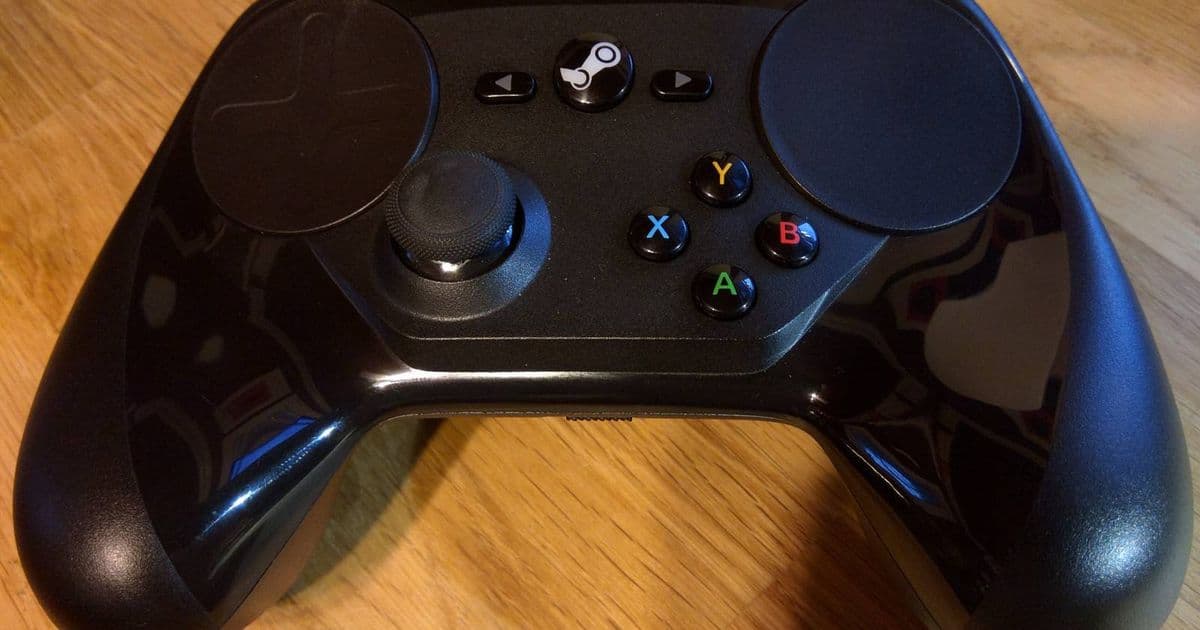
Valve's upcoming Steam Controller may carry a $99 price tag according to a recent leak, significantly higher than competitors. This potential pricing comes amid delays to Valve's Steam hardware lineup due to component cost increases.
Valve's return to the hardware market has been eagerly anticipated by PC gamers and developers alike, with the Steam Controller representing a significant evolution in input device design. Recent developments, however, suggest that the price of entry might be steeper than many expected.
According to a leak that surfaced earlier this month, the upcoming Steam Controller is rumored to carry a $99 price tag—approximately 50% higher than the Xbox Series controller's standard $65 retail price. This information came to light after a reviewer accidentally published their findings on YouTube ahead of an embargo, with the video quickly being removed but not before being recorded and shared online.
Platform Considerations for Developers
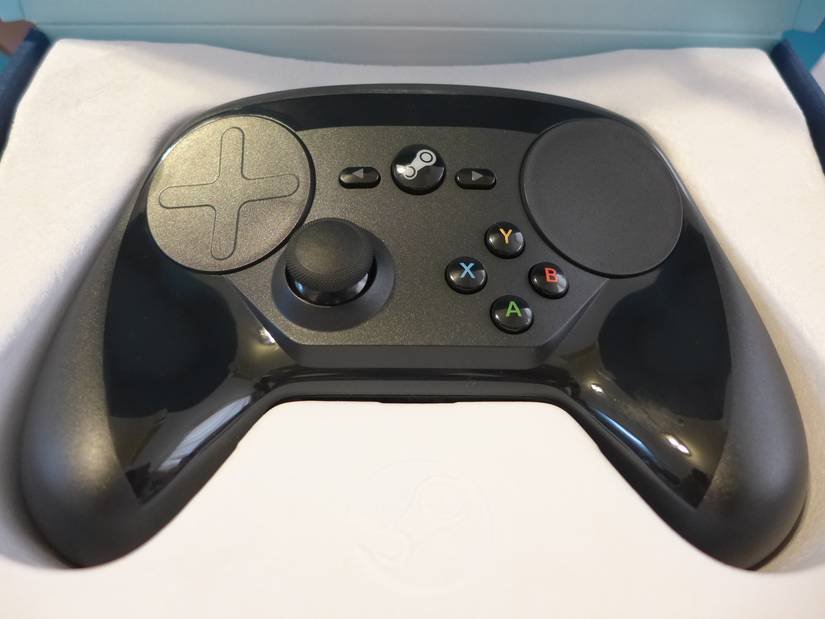
For cross-platform developers, input device compatibility represents a critical consideration. The Steam Controller's unique design, featuring dual trackpads and haptic feedback, offers distinct advantages for certain game genres but also presents challenges for developers aiming to support multiple input methods.
"The Steam Controller's architecture requires specific SDK integration," explains Alex Chen, a mobile developer who has been testing controller compatibility across platforms. "While Unity and Unreal Engine offer decent support, the controller's dual-trackpad design means developers need to create custom control schemes that translate well between traditional controllers and this more experimental input method."
Impact on Cross-Platform Development
The potential $99 price point raises questions about adoption rates, which directly affects development decisions. For indie developers working with limited budgets, supporting a premium controller with a smaller user base may not be a priority.
"From a development standpoint, controller support decisions come down to market penetration," says Jamie Rodriguez, lead developer at Cross-Play Studios. "If the Steam Controller commands a premium price, we'll need to see whether the user base justifies the development resources. The economics become especially tricky when you're supporting multiple platforms with different controller ecosystems."
Hardware Delays and Cost Implications
Valve's hardware timeline has already faced setbacks, with the Steam Machine, Steam Frame, and Steam Controller all experiencing delays due to rising RAM and storage costs. These supply chain challenges have become increasingly common in the post-pandemic tech landscape, affecting everything from smartphones to gaming peripherals.
The Steam Controller's development represents Valve's continued commitment to PC gaming innovation. The original Steam Controller, released in 2015, was ahead of its time with its trackpad-based design, though it never achieved mainstream adoption. The successor appears to refine this concept while addressing some of the original's limitations.
Migration Considerations for Existing Users
For developers who have already implemented Steam Controller support in their titles, the transition to the new hardware will require careful consideration. The API changes, while likely evolutionary rather than revolutionary, will necessitate testing and potentially adjustments to control schemes.
Valve has historically provided good developer documentation for their hardware, with resources available through the Steamworks SDK. Developers interested in preparing for the new controller should familiarize themselves with the documentation and consider participating in any beta programs Valve might offer.
Market Position and Competitive Landscape
The $99 price point, if accurate, would position the Steam Controller as a premium product in an increasingly crowded market. Microsoft's Xbox Series controller typically retails for $65, while Sony's DualSense comes in at $70. Nintendo's Pro Controller is priced at $70, making Valve's offering potentially the most expensive of the major gaming controllers.
 Source: Kenming Wang via Wikimedia Commons
This premium pricing could be justified by the controller's advanced features, including its dual trackpads, haptic feedback system, and wireless connectivity. However, it also places the controller in a challenging position against established competitors with larger user bases and more extensive game library support.
Developer Recommendations
For developers considering Steam Controller support, several factors should be weighed:
- Target Audience: Evaluate whether your game's target demographic is likely to adopt premium PC peripherals
- Genre Appropriateness: Consider whether your game benefits from the controller's unique input capabilities
- Cross-Platform Strategy: Assess how controller support fits into your broader platform strategy
- Resource Allocation: Determine if the potential user base justifies development investment
The Steam Controller's potential impact extends beyond just gaming. For developers working on productivity applications or creative tools that could benefit from precise input devices, the controller might offer interesting possibilities beyond traditional gaming use cases.
Waiting for Official Confirmation
As with any leak, it's crucial to approach this information with skepticism. The $99 price tag has not been confirmed by Valve, and the circumstances of its revelation—through a prematurely published review video—leave room for doubt.
"We've seen numerous hardware leaks over the years that turned out to be inaccurate," notes industry analyst Mark Thompson. "Until Valve makes an official announcement, developers should treat this information as speculative. The final price could be lower, higher, or the product might undergo further changes before release."
For developers maintaining cross-platform applications, the uncertainty surrounding Valve's hardware timeline presents challenges. Without confirmed pricing or release dates, planning for Steam Controller support becomes difficult, potentially delaying integration until closer to the official launch.
Looking Ahead
Valve's return to hardware represents an interesting development in the PC gaming ecosystem. The company has a history of innovation, with the Steam Deck proving that there's significant demand for dedicated PC gaming hardware. The Steam Controller, if it delivers on its promise of enhanced precision and versatility, could find a niche among PC gamers seeking alternatives to traditional gamepads.
Developers should monitor Valve's official channels for announcements regarding the Steam Controller and other hardware. The Steamworks Developer Forums and Valve Developer Community are valuable resources for staying updated on hardware developments and SDK changes.
As the PC gaming landscape continues to evolve, input devices will play an increasingly important role in how users interact with content. The Steam Controller's potential success will depend not only on its technical merits but also on its price point and the size of the ecosystem that supports it.
Comments
Please log in or register to join the discussion