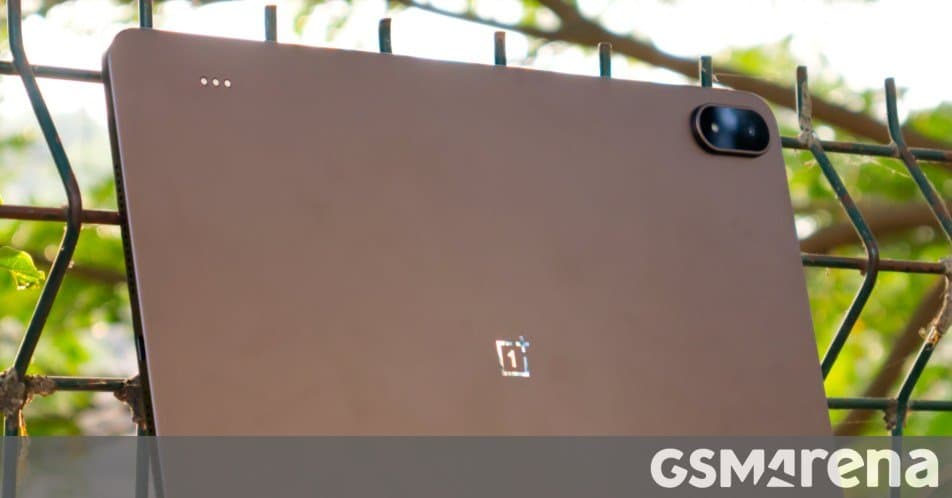
The OnePlus Pad 4 arrives with targeted upgrades to the company's premium Android tablet, focusing on performance and thermal improvements while maintaining design continuity.
The tablet market has seen renewed interest in recent years, with manufacturers refining their approaches to productivity and entertainment devices. OnePlus enters this space once again with the Pad 4, a device that builds upon last year's foundation with measured improvements rather than revolutionary changes. As we receive the unit for review, let's examine what this new tablet brings to the increasingly competitive Android tablet ecosystem.
Unboxing Experience: Familiar Territory
The OnePlus Pad 4 packaging maintains the brand's signature red and white colorway, immediately establishing visual continuity with previous products. Inside, the tablet's slim 5.94mm profile creates a compact presentation, with most of the box's height occupied by the included 80W fast charger and matching cable. This minimalist approach aligns with OnePlus's design philosophy, focusing on essential accessories without unnecessary filler.
The tablet itself feels substantial yet refined, with a build quality that OnePlus has consistently delivered in its premium devices. The unboxing experience sets expectations for a device that prioritizes performance and user experience over flashy packaging or bundled extras.
Specifications Evolution: Targeted Improvements
The OnePlus Pad 4 represents an iterative update rather than a generational leap. The most significant hardware change is the adoption of the new Snapdragon 8 Elite Gen 5 processor, replacing the Snapdragon 8 Elite found in the Pad 3. This new chip promises improved performance and efficiency, though real-world benefits will be determined in our full testing.
Thermal management sees a notable upgrade with a 30% larger vapor chamber measuring 45,260mm². This addresses one of the potential limitations of high-performance tablets, as sustained performance often hinges on effective heat dissipation. For users who plan to use the tablet for intensive tasks like video editing or gaming, this improvement could make a tangible difference in long-term performance stability.
Storage options remain at 256GB and 512GB capacities, but with a welcome upgrade to UFS 4.1 from the previous UFS 4.0. This translates to potentially faster read/write speeds, improving application loading times and file transfers. Battery capacity increases by approximately 10%, moving from 12,140mAh to 13,380mAh, which could extend usage time, especially for media consumption and light productivity tasks.
The display receives a modest brightness boost of about 100 nits, improving visibility in outdoor environments without fundamentally changing the viewing experience. These incremental upgrades suggest OnePlus is focusing on refinement rather than reinvention with this generation.
A Step Back in Memory Configuration
One surprising and disappointing aspect of the Pad 4 is the reduction in RAM options. Where the Pad 3 offered 12GB and 16GB LPDDR5X configurations, the Pad 4 only comes in 8GB and 12GB variants. This is particularly noteworthy given the tablet's performance-focused positioning and the increasing demands of multitasking on larger screens.
The reasons for this reduction likely relate to global memory supply constraints and cost optimization, but it represents a compromise that may affect the device's appeal to power users. For a device positioned as a productivity tool, the reduced memory ceiling could limit its effectiveness for users who regularly run multiple applications simultaneously or engage in memory-intensive tasks.
Design and Features: Maintaining Continuity
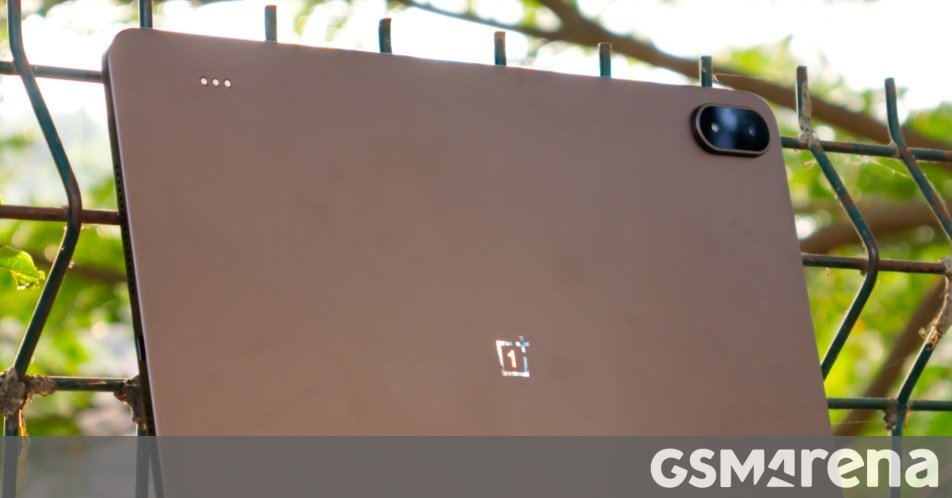
Beyond the specifications mentioned, the OnePlus Pad 4 maintains remarkable consistency with its predecessor. The design language, display specifications, camera setup, charging capabilities, connectivity options, and speaker configuration all carry over from the Pad 3. This approach ensures familiarity for existing OnePlus tablet users while allowing the company to focus resources on component improvements that matter most.
New Accessories Enhanced Productivity
OnePlus has introduced new accessories that expand the tablet's functionality. The OnePlus Stylo Pro comes with two specialized tips—one optimized for writing and another for drawing—catering to different creative workflows. This demonstrates OnePlus's recognition of the tablet's potential as a creative tool beyond consumption and basic productivity.
The new OnePlus Pad 4 Smart Keyboard represents a significant redesign from its predecessor. Moving away from the split keyboard/kickstand design of the Pad 3 model, the new keyboard features a single, laptop-style unit with a hinged design. This change likely improves typing stability and ergonomics. However, the repositioned pogo-pin contact patch means the new keyboard isn't compatible with older OnePlus tablets, a consideration for users who might have invested in previous-generation accessories.
Ecosystem Considerations
The OnePlus Pad 4 exists within a broader ecosystem strategy that includes OnePlus smartphones, wearables, and audio products. While OnePlus hasn't developed the same level of ecosystem integration as Apple or Samsung, the tablet does benefit from features like OnePlus Connect for device-to-device file transfers and screen mirroring.
For existing OnePlus smartphone users, the Pad 4 offers a familiar software experience and design language, creating a cohesive ecosystem. However, the lack of deep integration features like Apple's Handoff or Samsung's Quick Share means the tablet functions more as a standalone device than a complementary extension of the smartphone experience.
Market Positioning and Competition
In the premium Android tablet space, the OnePlus Pad 4 faces competition from established players like Samsung's Galaxy Tab S series, Google's Pixel Tablet, and Lenovo's Yoga Tab Pro lineup. The Pad 4's approach of offering high-end specifications at a competitive price point aligns with OnePlus's traditional strategy in the smartphone market.
The device's strengths lie in its performance capabilities, display quality, and build value. However, it lacks some of the software polish and ecosystem features that differentiate competitors. Additionally, the reduction in RAM options may limit its appeal compared to devices offering more memory at similar price points.
Looking Ahead: Expectations for the Full Review
Our initial impressions of the OnePlus Pad 4 suggest a device that refines rather than revolutionizes the formula established by its predecessor. The performance improvements, enhanced thermal management, and new accessories offer tangible benefits for users, while the maintained design language ensures continuity for the brand.
The full review will examine real-world performance across productivity tasks, gaming, and media consumption. We'll evaluate the effectiveness of the larger vapor chamber under sustained loads, assess the impact of the reduced RAM options in multitasking scenarios, and test the new accessories for their practical utility in everyday use.
For potential buyers, the OnePlus Pad 4 appears to be a solid option for those seeking a premium Android tablet experience, particularly if they value performance and build quality. However, the RAM reduction may give pause to power users who require maximum multitasking capabilities.
As we prepare our comprehensive review, the OnePlus Pad 4 represents an interesting case study in iterative product development—focusing on meaningful improvements while maintaining design continuity. In a market where tablet innovation has been relatively conservative, this measured approach may be exactly what consumers need from Android tablet manufacturers.
Comments
Please log in or register to join the discussion