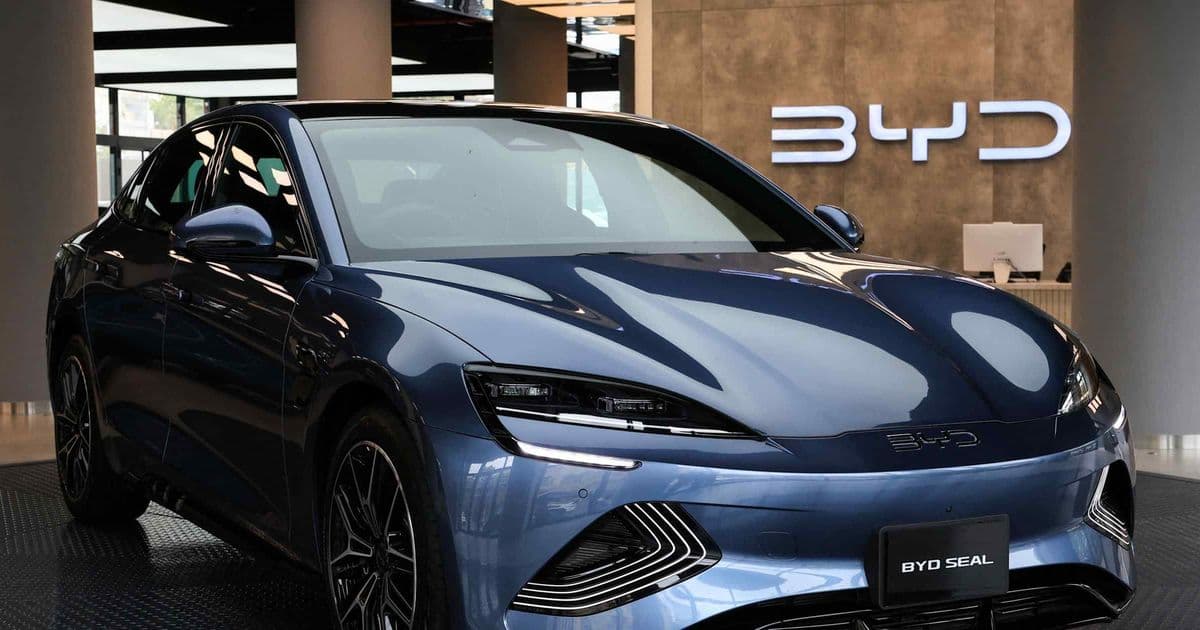
BYD will begin local EV assembly in Pakistan by late 2026, challenging decades of Japanese automaker dominance as China expands its automotive influence.
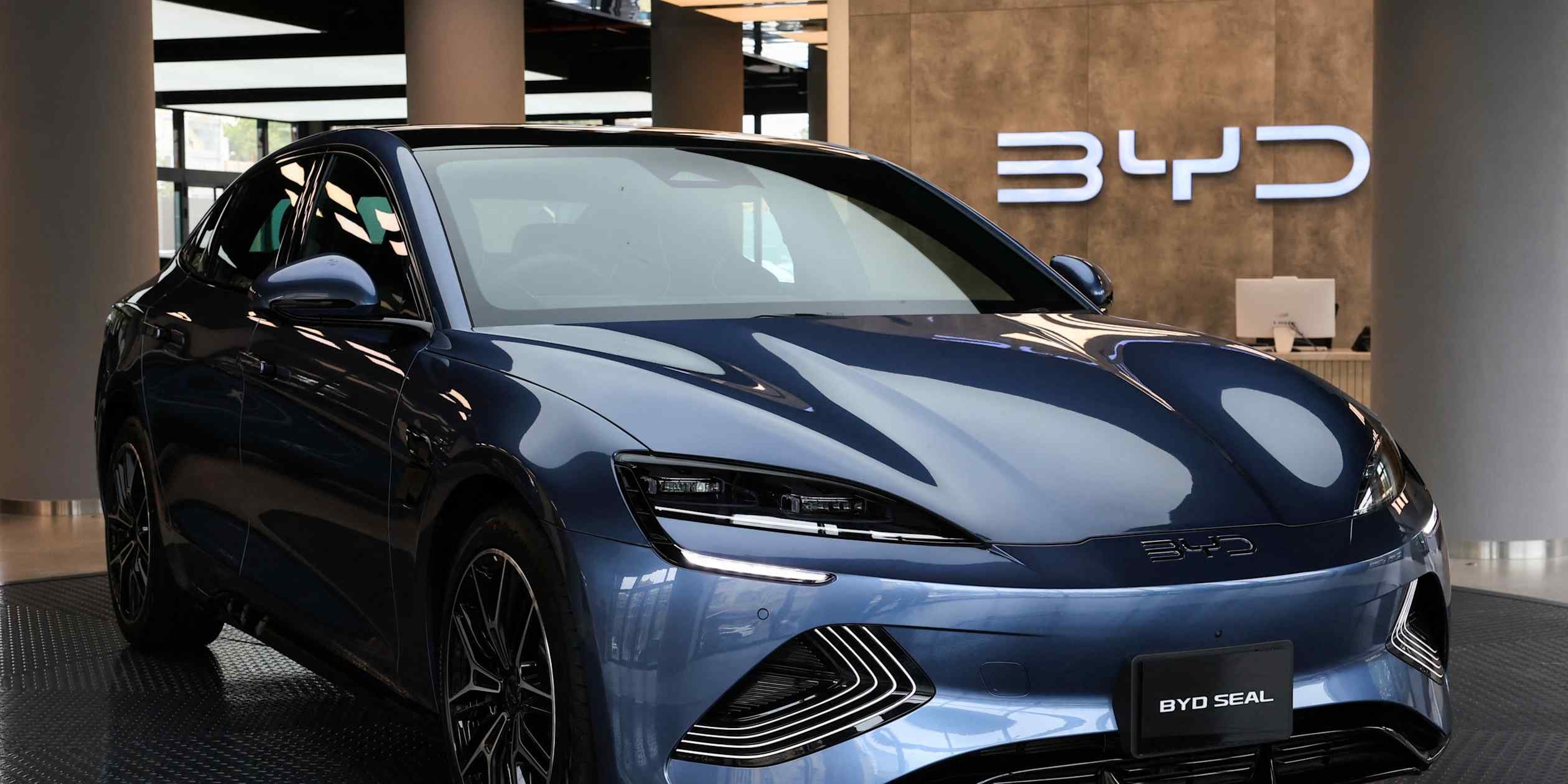
Chinese electric vehicle manufacturer BYD will commence local vehicle assembly in Pakistan during the third or fourth quarter of 2026, according to statements from executives at its local partner. This strategic expansion positions the world's largest EV maker to disrupt a market historically controlled by Japanese manufacturers including Suzuki, Toyota, and Honda.
The Pakistani automotive sector represents a significant growth opportunity within South Asia's developing economies. Japanese automakers have maintained approximately 85% market share for over two decades through established manufacturing partnerships. However, BYD's entry coincides with Pakistan's National Electric Vehicle Policy, which targets 30% EV penetration by 2030 through tax incentives and infrastructure investments. This regulatory shift creates favorable conditions for new entrants specializing in electric mobility.
BYD's manufacturing approach mirrors its global expansion strategy: establishing local assembly operations to bypass import tariffs that can exceed 30% on completed vehicles. While specific investment figures remain undisclosed, similar BYD operations in Thailand ($490 million) and Brazil ($620 million) indicate the scale of capital typically deployed. Local production enables competitive pricing for models like the BYD Seal sedan, which currently retails at approximately $45,000 as an imported vehicle in Pakistan.
This expansion extends China's growing automotive influence across global emerging markets. Chinese brands now account for over 65% of Pakistan's imported vehicle market, according to Pakistan Automotive Manufacturers Association data. The shift reflects broader industry dynamics where Chinese automakers leverage EV technology leadership and scaled battery production advantages over Japanese competitors still transitioning from internal combustion engines.
Market restructuring appears inevitable. Japanese manufacturers face pressure to accelerate EV model introductions while maintaining profitability on traditional vehicle lines that currently constitute over 90% of Pakistan's auto sales. Industry analysts project BYD could capture 15-20% of Pakistan's premium EV segment within three years of production launch, potentially triggering competitive responses including new model launches and strategic partnerships from incumbents.
The manufacturing operation will generate direct employment and stimulate supporting infrastructure development, including charging networks currently concentrated in major cities. Pakistan's power generation capacity remains a consideration, though planned investments in renewable energy could alleviate grid strain from future EV charging demands.
This development exemplifies how Chinese automakers are strategically targeting markets where regulatory shifts create openings to challenge established players. BYD's Pakistan venture represents both a commercial opportunity and a strategic beachhead in South Asia's rapidly evolving automotive landscape.
Comments
Please log in or register to join the discussion