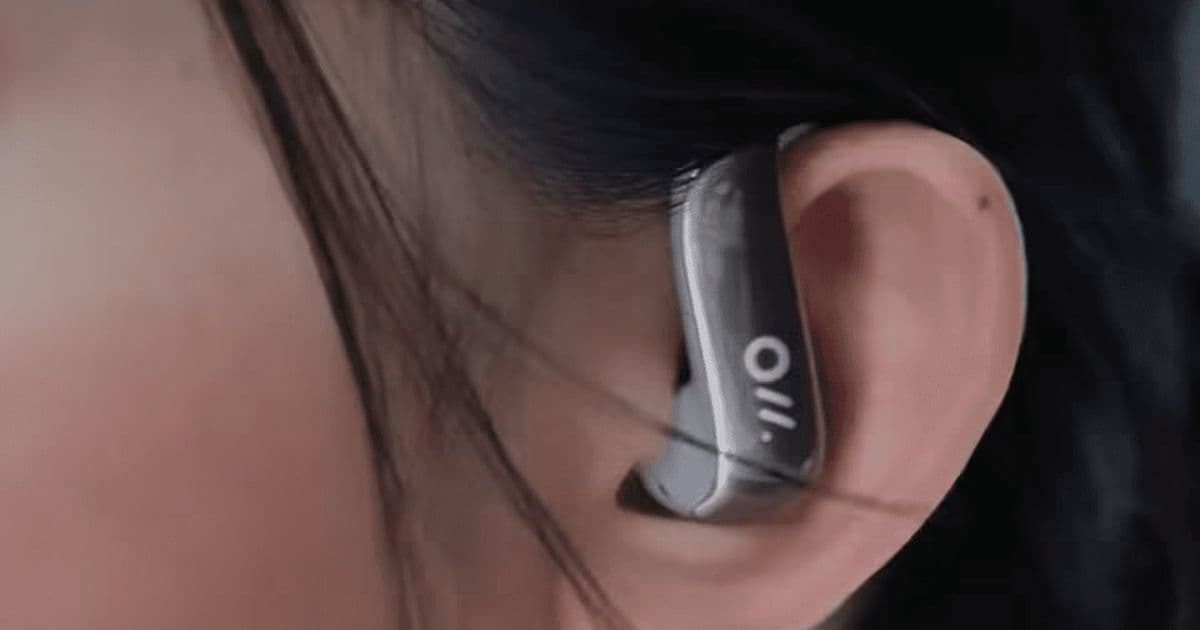
ByteDance is collaborating with GoerTek on next-generation Doubao AI earbuds featuring a camera module designed for contextual AI interactions rather than photography, signaling a shift toward smartphone-integrated AI hardware.
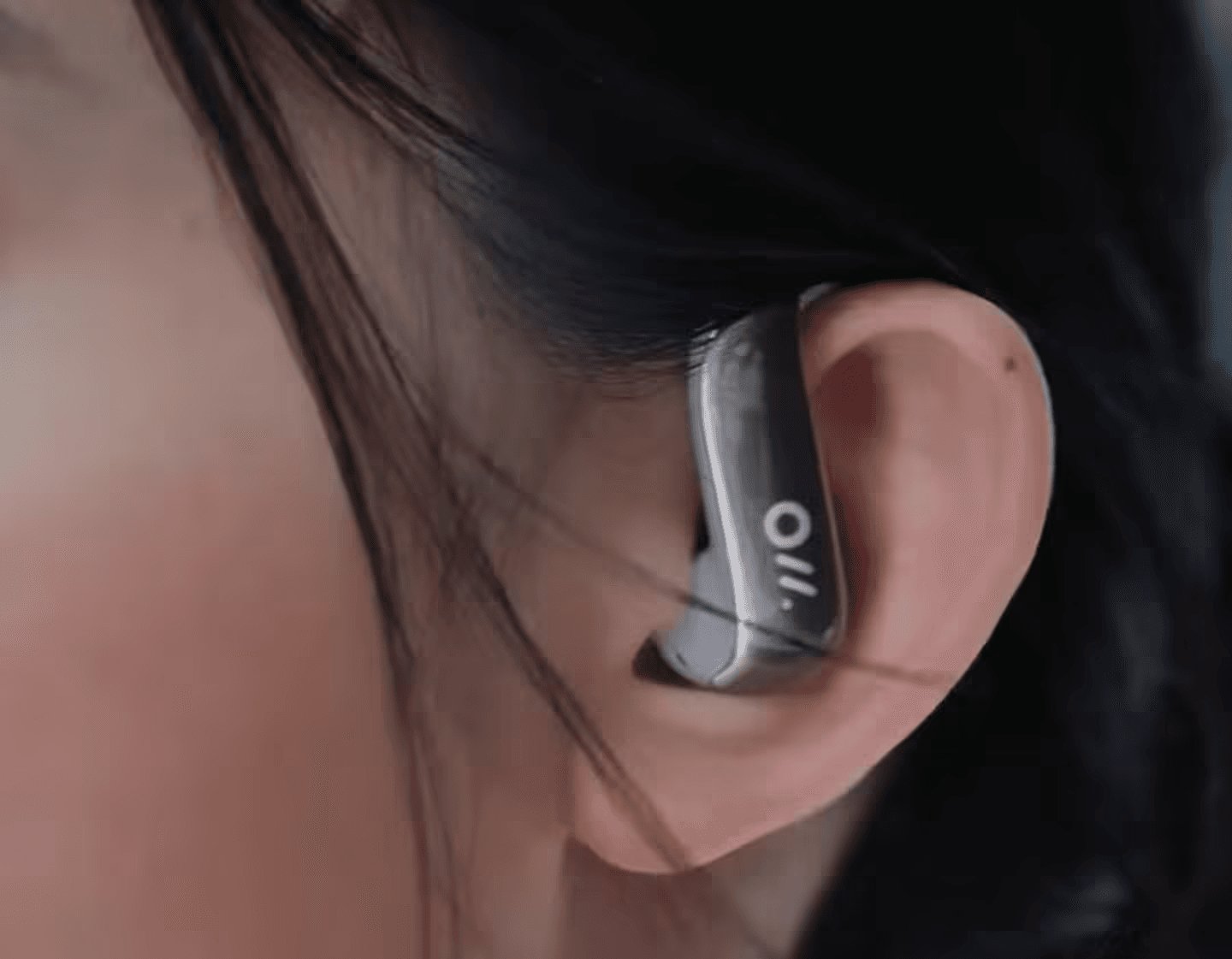
ByteDance is developing a new iteration of its Doubao AI earbuds in partnership with manufacturing firm GoerTek, according to reporting from Blue Whale Tech. The hardware will incorporate a camera module explicitly designed for AI-powered vision capabilities rather than conventional photography, positioning it as a competitor to Meta's experimental "Camerabuds" concept.
The camera-enabled earbuds represent a strategic pivot toward contextual interaction models. Rather than functioning as standalone AI hardware, ByteDance's approach prioritizes deep smartphone integration. The camera component will enable real-time environmental interpretation - including object recognition, text translation, and contextual awareness - without capturing traditional photos or video. This distinction addresses both privacy concerns and hardware constraints inherent in earbud form factors.
GoerTek has reportedly established a dedicated business unit for this project, leveraging prior collaboration experience from ByteDance's Pico VR division. Internal sources indicate the earbuds were initially slated for a December 2025 unveiling at Luo Yonghao's "Crossroads Innovation" event but were withdrawn due to unresolved technical challenges. No revised launch timeline has been confirmed.
The development signals ByteDance's evolving hardware strategy following its TikTok success. Where previous ventures like Pico headsets targeted standalone ecosystems, these earbuds acknowledge smartphone centrality. Technical hurdles remain significant: balancing battery life with camera processing demands, ensuring reliable low-latency smartphone pairing, and developing robust computer vision models capable of operating within the device's thermal and power constraints.
Industry analysts note the project aligns with broader movement toward multimodal AI interfaces, but question whether ear-level cameras provide sufficient vantage points for meaningful environmental interaction compared to glasses or phone-based systems. ByteDance has not commented on the report, maintaining its characteristic secrecy around hardware initiatives.
Comments
Please log in or register to join the discussion