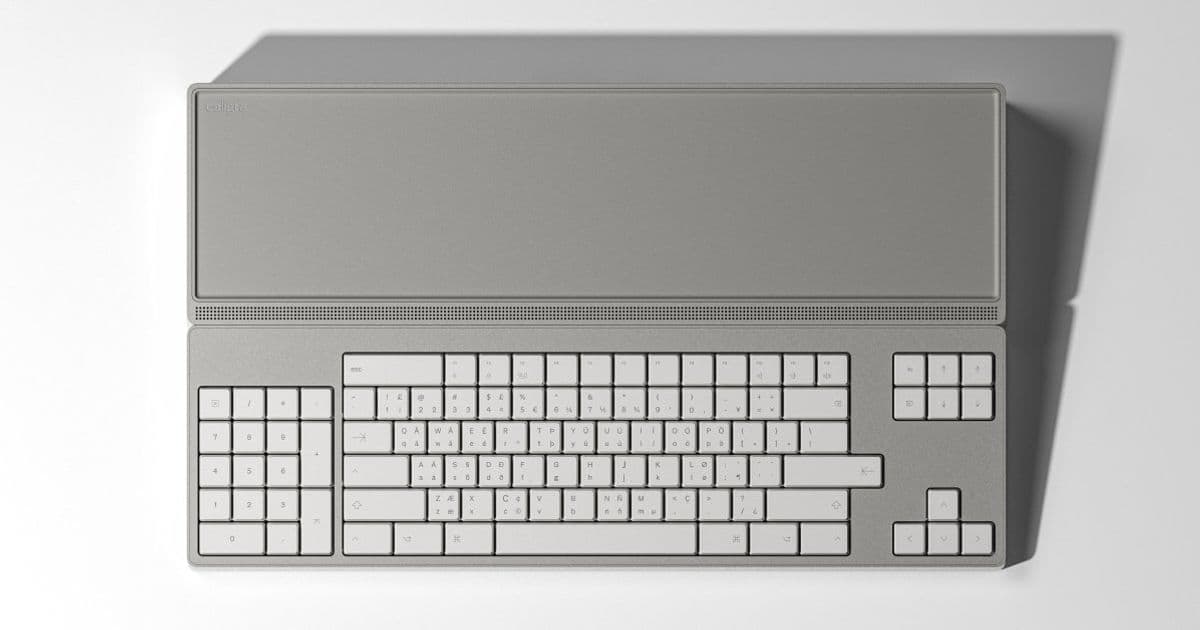
Caligra Workbench emerges as a specialized Linux operating system designed explicitly for technical workstations, prioritizing a distraction-free environment and raw performance to enhance developer productivity. By acting as a lean host for containers and diverse package ecosystems rather than a full distribution, it aims to provide immediate familiarity while accelerating focused work.
Caligra Workbench Targets Developer Productivity with Minimalist Linux OS
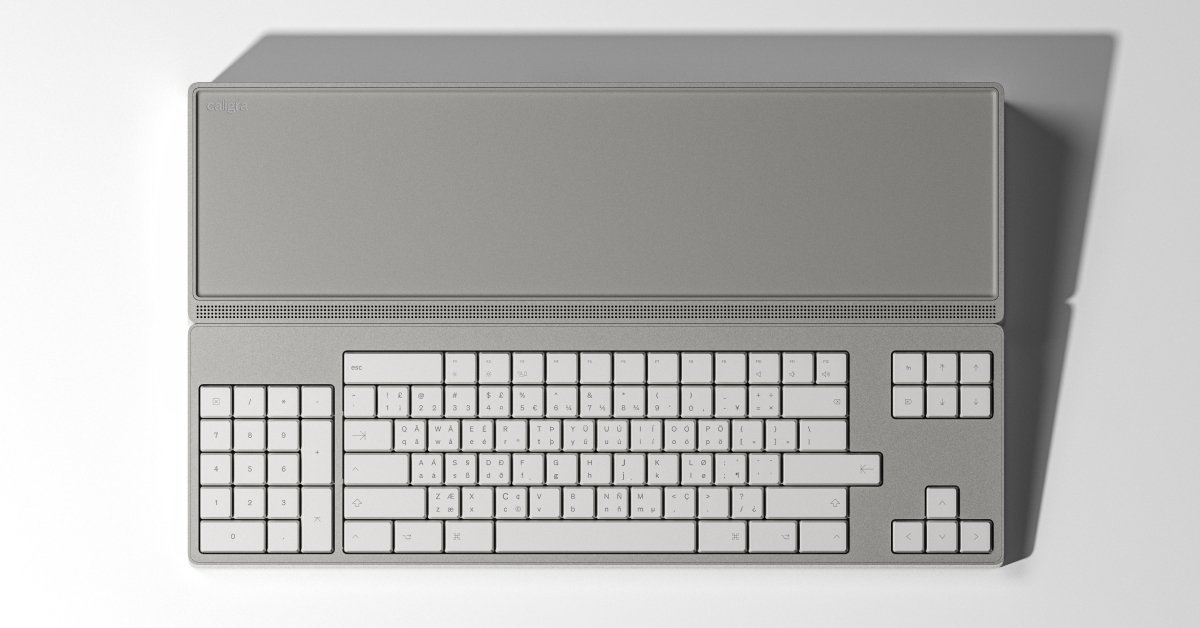
In a landscape often dominated by feature-heavy, general-purpose operating systems, Caligra Workbench enters the fray with a distinct proposition: a Linux-based OS built from the ground up to serve the specific needs of technical professionals. Its core mission is eliminating distractions and optimizing the interface purely for deep, productive work.
The Philosophy: Focus as a Feature
Caligra Workbench explicitly positions itself against the perceived bloat and interruptions common in mainstream 'big tech' operating systems. It promises:
- A Performance-Oriented UI: The interface is engineered to be unobtrusive and get out of the developer's way, minimizing cognitive load.
- Distraction-Free Environment: Described as "a clear space for deep thought," the environment strips away non-essential elements.
- Immediate Usability: Caligra claims the interface is intuitive enough that developers can be productive "on day one," supplemented by readily available keyboard shortcuts for power users seeking maximum speed.
Architecture: The Container & Package Host, Not a Distribution
A key differentiator is Caligra Workbench's architectural stance. It avoids being a traditional Linux distribution with its own vast, curated repositories. Instead, it positions itself as a lean, stable host platform:
- Fedora Compatibility: Users with root access can directly leverage the extensive Fedora package repositories.
- Cross-Distribution Flexibility: Tools like
distroboxare highlighted, enabling developers to easily create containers and seamlessly run software from virtually any other Linux distribution (Ubuntu, Arch, etc.) within the Workbench environment. - macOS Transition Support: Recognizing a common user journey, Caligra explicitly mentions compatibility with Homebrew (
brew install), easing the transition for developers moving from macOS.
The Target: Accelerating Technical Workflows
The clear focus is on developers, engineers, data scientists, and other technical roles who require sustained concentration and high-performance tooling. By offloading package management to established ecosystems (Fedora, Homebrew) and leveraging containerization, Caligra aims to provide stability at the base OS level while offering maximum flexibility and access to cutting-edge tools within isolated environments.
Why It Matters: The Quest for Developer Ergonomics
Caligra Workbench taps into a growing sentiment: the tools developers use profoundly impact their productivity and well-being. While established players offer broad functionality, they can introduce friction. Workbench represents a niche approach – sacrificing some general-purpose convenience for a potentially significant gain in focused workflow efficiency and performance. Its success will hinge on delivering tangible speed and stability advantages that outweigh the benefits of more integrated, feature-rich alternatives. For developers perpetually seeking the optimal environment, it presents an intriguing, container-native option worth watching.
Source: Caligra Workbench
Comments
Please log in or register to join the discussion