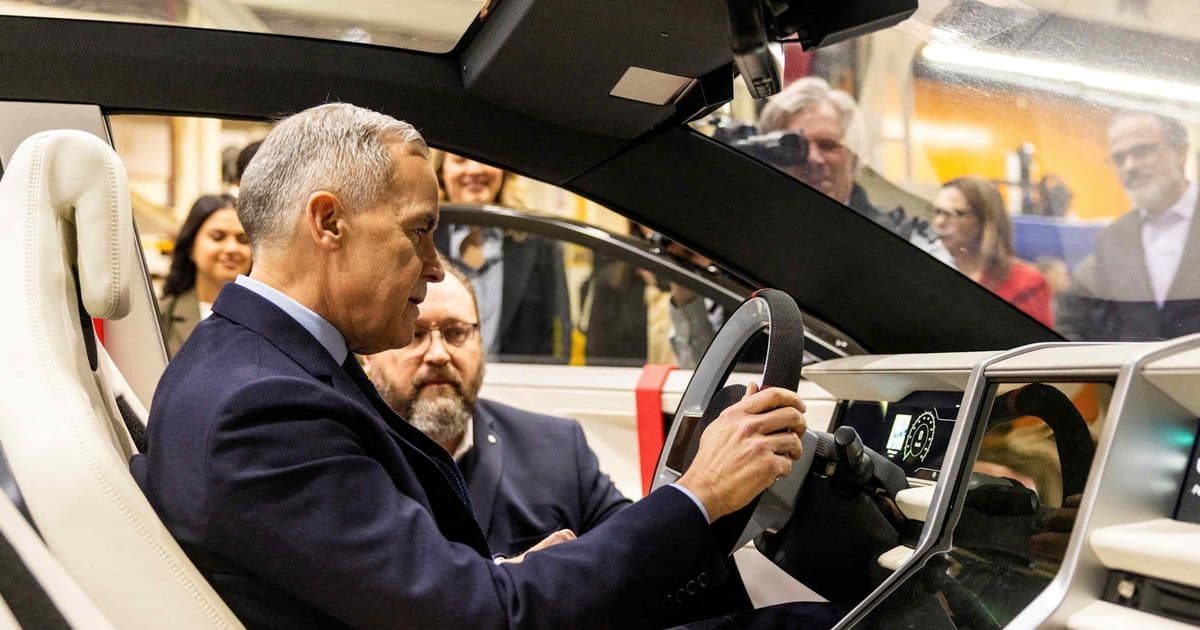
Canada unveils aggressive EV strategy with Chinese partnerships while US-Canada trade relations deteriorate under Trump's tariff threats
Canada has unveiled an ambitious automotive strategy to revive electric vehicle sales and rebuild domestic manufacturing, rolling out tax credits, subsidies and consumer incentives to strengthen supply chains.
The Strategic Shift
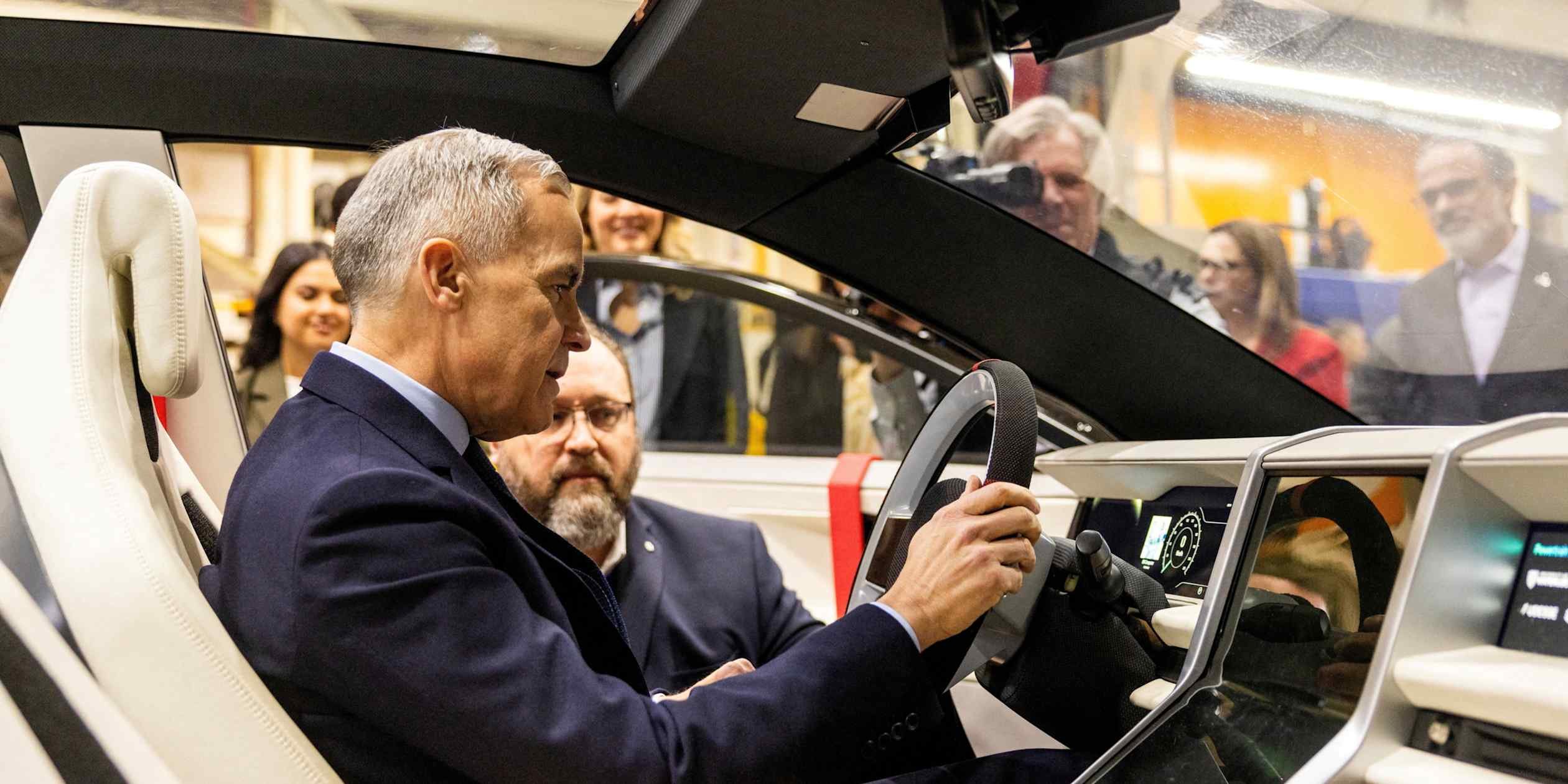
Canadian Prime Minister Mark Carney's government is making a dramatic pivot in its electric vehicle strategy, opening up to Chinese EV manufacturers while simultaneously encouraging joint ventures between domestic and Chinese companies. This marks a significant departure from Canada's previous alignment with US automotive policies.
After a high-profile visit to Beijing last month, Ottawa is now actively courting Chinese EV makers like BYD and other manufacturers to establish operations in Canada. The strategy includes:
- Tax credits for EV manufacturers
- Consumer incentives for electric vehicle purchases
- Support for battery production facilities
- Joint venture facilitation between Canadian and Chinese companies
US-Canada Trade Tensions Escalate
The timing of Canada's pivot coincides with deteriorating trade relations with the United States. President Trump has threatened 100% tariffs on Canadian goods, creating economic pressure that's forcing Ottawa to diversify its trade relationships.
The US government has already expressed strong opposition to Canada's new approach, warning that allowing Chinese EVs into the Canadian market will have negative consequences for bilateral relations. This represents a significant geopolitical shift, as Canada has traditionally aligned closely with US trade policies.
Economic Context
The move comes as Canada's EV sector faces multiple challenges:
- Sluggish domestic EV sales despite government incentives
- Dependence on US markets for automotive exports
- Vulnerability to US trade policy changes
- Need to compete with aggressive Chinese EV pricing
Chinese automakers have been waging a price war that has cost the global industry an estimated $68 billion over three years, according to industry analysts. This aggressive pricing strategy has made Chinese EVs increasingly attractive in international markets.
Industry Response
Ford CEO Jim Farley recently warned that Chinese automakers represent a "wild card" for global automakers, highlighting the competitive threat they pose. Meanwhile, EU companies have already begun adopting Chinese buses from manufacturers like BYD and Yutong, despite political tensions.
The Supply Chain Equation
Canada's strategy reflects a pragmatic recognition that Chinese companies control significant portions of the EV supply chain, particularly in battery technology and critical minerals. By partnering with Chinese firms, Canada aims to secure access to these essential components while building domestic manufacturing capacity.
The approach mirrors strategies being adopted by other countries seeking to balance economic opportunities with geopolitical considerations. Singapore, for instance, is actively pursuing "growth" IPOs while Hong Kong attracts different types of listings, showing how Asian financial centers are adapting to changing global dynamics.
Future Implications
This pivot could have far-reaching consequences for North American trade relations and the global EV industry. If successful, Canada could become a bridge between Chinese manufacturing capabilities and North American markets, potentially reshaping supply chains that have been in place for decades.
However, the strategy also carries risks. Canada remains dependent on the US market for a significant portion of its automotive exports, and escalating trade tensions could lead to retaliatory measures that harm the broader Canadian economy.
The coming months will be critical as Canada implements its new strategy while navigating the complex geopolitical landscape of US-China competition and the rapidly evolving global EV market.
Comments
Please log in or register to join the discussion