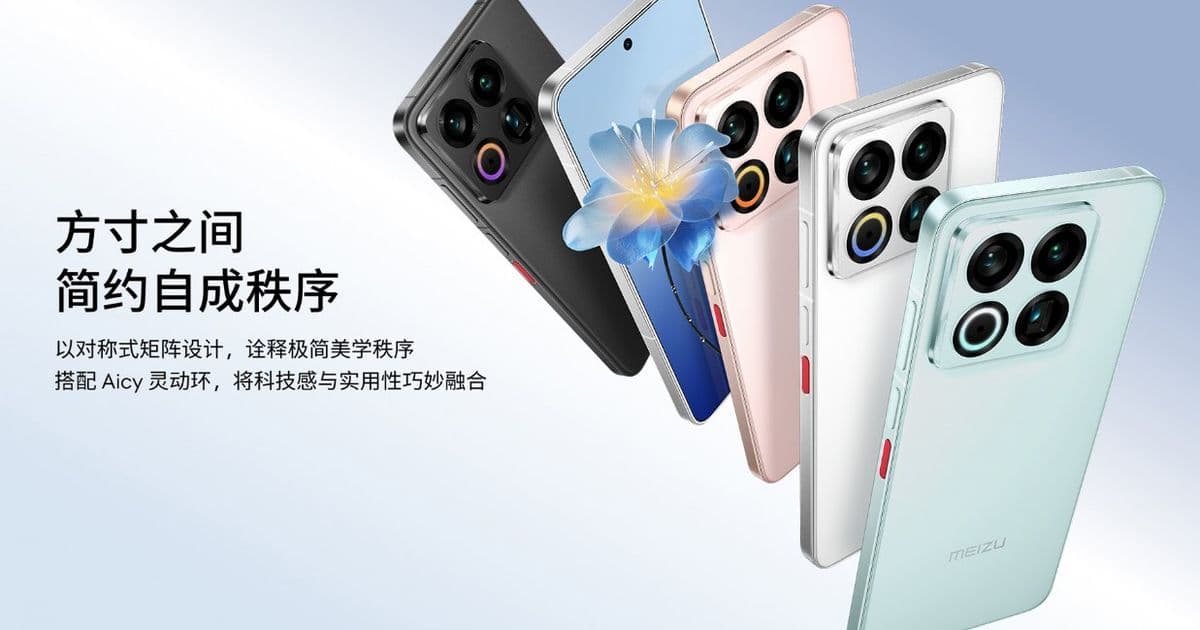
Reports suggest Meizu has halted development of its upcoming Meizu 23 flagship as the company faces internal challenges and shifts focus toward AI devices, raising questions about its future in the smartphone market.
Market speculation is mounting over reports that Meizu may be preparing to wind down its smartphone business, though the company has yet to issue an official response. The speculation gained traction after Chinese tech outlet Sanyan Tech reported that development of Meizu's upcoming flagship, the Meizu 23, has been halted. According to Sanyan Tech, Meizu began phasing out outsourced teams in mid-January 2026. Following the departure of external personnel, internal R&D resources were reportedly insufficient to sustain progress on the Meizu 23 project.
Additional signals have further fueled speculation: in early February, the company was said to have adjusted its annual leave policy, requiring employees to use vacation or personal leave on non-statutory holidays while allegedly adding six extra leave days — a move some observers interpreted as an effort to clear accumulated leave balances. On Feb. 10, a former Meizu employee known online as Mao Ge posted a video hinting at internal difficulties, saying he "didn't want to be the one to break the illusion," which many interpreted as a sign that the smartphone division is facing serious challenges.
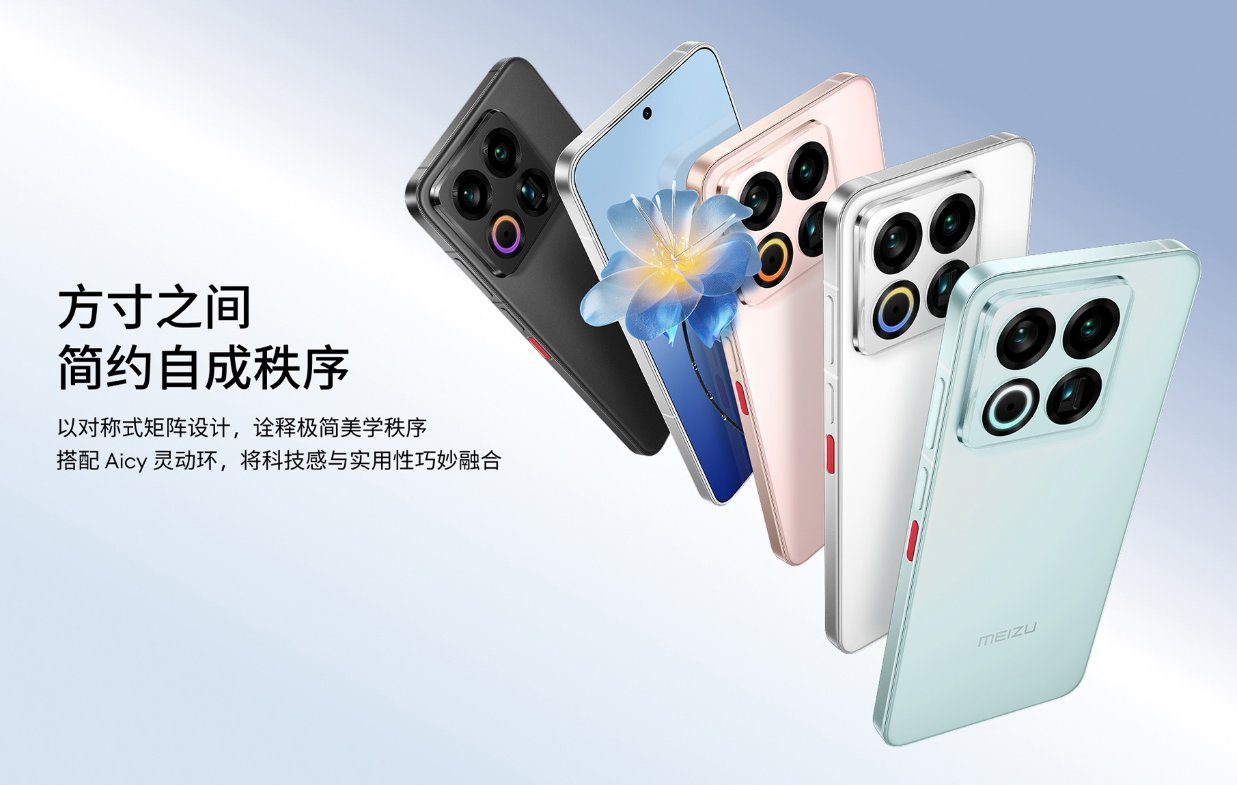
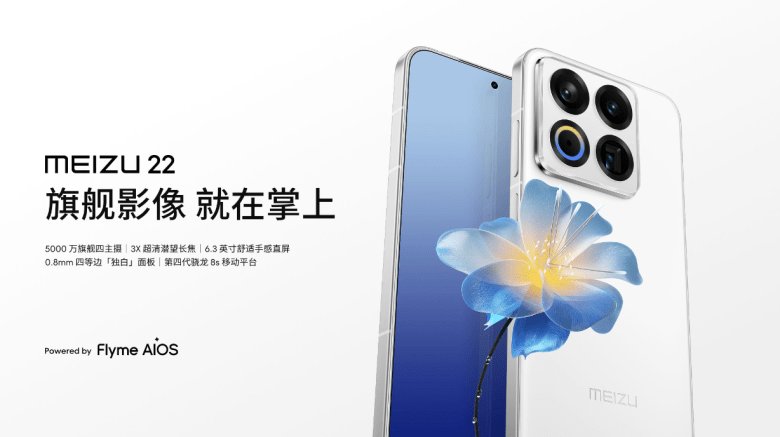
The speculation contrasts sharply with earlier public statements from Meizu leadership. In September 2025, Xingji Meizu CEO Huang Zhipan said the Meizu 23 had been officially approved and was targeting a mid-2026 launch. At a January 2026 event, China CMO Wan Zhiqiang said that the device would feature the narrowest bezels in the brand's history, though it would no longer use Meizu's signature white front panel. However, surging memory prices were reportedly a major blow to the company's product plans, contributing to the cancellation of the Meizu 22 Air.
Since being acquired by Geely-backed Xingji Shidai in 2022 and forming the Xingji Meizu Group in 2023, the company has undergone a string of leadership changes, including four CEOs in recent years — a pattern analysts say has led to shifting strategies. In 2024, Meizu said it would halt new "traditional smartphone" projects and pivot toward AI-focused devices, a move widely seen as a response to intensifying competition in the smartphone market.
If the Meizu 23 has indeed been canceled, it could mark a formal exit from the smartphone sector as the company shifts its focus toward building an AI-centered ecosystem. As of now, Meizu has not issued an official statement on the future of its smartphone business.
The Rise and Potential Fall of Meizu
Meizu's journey from innovative smartphone maker to potential industry exit reflects the brutal realities of China's mobile market. Founded in 2003, the company built a reputation for design-focused devices with unique features like the iconic mBack button. At its peak, Meizu was considered one of China's "big four" smartphone brands alongside Xiaomi, Huawei, and Oppo.
However, the company's fortunes began to decline around 2016 as competition intensified. The 2022 acquisition by Geely's Xingji Shidai was meant to provide financial stability and strategic direction, but instead ushered in an era of uncertainty. The revolving door of CEOs — four in just a few years — has left the company without a clear strategic vision.
Market Context: The Chinese Smartphone Bloodbath
The challenges facing Meizu are symptomatic of broader industry trends. China's smartphone market has become increasingly consolidated, with the top three players (Vivo, Oppo, and Huawei) controlling over 70% of the market. Smaller brands like Meizu, ZTE's Nubia, and others have struggled to maintain relevance.
Memory chip prices have surged dramatically in recent months, with DRAM prices increasing by over 20% since late 2024. For a company like Meizu operating on thin margins, these cost increases can be devastating. The cancellation of the Meizu 22 Air due to these price pressures suggests the company was already operating close to the edge.
The AI Pivot: Hope or Desperation?
Meizu's announced pivot toward AI-focused devices in 2024 was positioned as a strategic repositioning. The company claimed it would develop products that integrate artificial intelligence more deeply than traditional smartphones. However, this strategy raises questions about execution capabilities.
Developing competitive AI hardware requires significant R&D investment, software expertise, and ecosystem partnerships. Meizu's reported reduction in R&D resources and outsourcing team reductions suggest the company may lack the capabilities to execute such a pivot successfully.
What This Means for the Industry
If Meizu does exit the smartphone market, it would mark another casualty in the ongoing consolidation of China's mobile industry. The implications extend beyond just one company:
- Supply Chain Impact: Meizu's suppliers and manufacturing partners would need to find new customers, potentially accelerating consolidation in the component industry
- Employment Concerns: Thousands of employees could face job uncertainty, adding to China's tech employment challenges
- Market Competition: The exit of another player could further reduce competition, potentially leading to higher prices and less innovation
- Brand Legacy: Meizu's design heritage and loyal user base might be absorbed by other brands or disappear entirely
The Silence Speaks Volumes
Perhaps most telling is Meizu's refusal to address the mounting speculation. In an industry where companies typically rush to deny negative rumors, Meizu's silence suggests either internal chaos or a deliberate strategy of avoiding public discussion while making difficult decisions.
Industry analysts note that companies in similar situations often use silence as a tactic to prevent panic while quietly restructuring. However, this approach can backfire if it leads to loss of consumer confidence and partner relationships.
Looking Forward
The smartphone industry continues to evolve rapidly, with AI integration, foldable displays, and new form factors creating both opportunities and challenges. For Meizu, the question is whether it can successfully navigate this transition or whether it will become another footnote in the history of mobile innovation.
As of now, the company remains silent on its future plans. The tech world watches closely to see whether Meizu will confirm its exit from smartphones or surprise everyone with a bold new direction. Either way, the coming weeks will likely determine the fate of a once-prominent player in the global mobile ecosystem.
The situation remains fluid, and Meizu's next moves could have significant implications for the broader smartphone industry. Whether this marks the end of an era or a strategic pivot, the company's journey offers valuable lessons about the challenges of competing in today's hyper-competitive mobile market.
Comments
Please log in or register to join the discussion