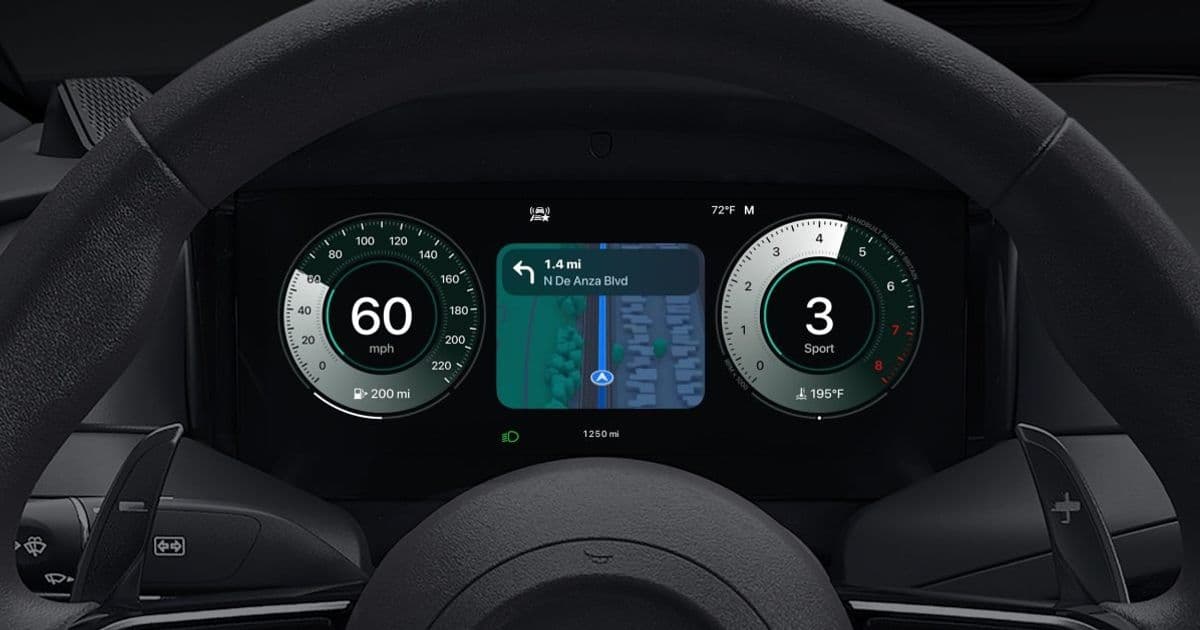
Apple's next-generation CarPlay Ultra will arrive in at least one major Hyundai or Kia model in the second half of 2026, expanding beyond its current Aston Martin exclusivity.
Apple's next-generation CarPlay Ultra is set to expand beyond its current Aston Martin exclusivity, with Bloomberg reporting that at least one major Hyundai or Kia model will support the platform in the second half of 2026.
From Aston Martin exclusivity to broader adoption
When Apple officially launched CarPlay Ultra last year, it was exclusively available on Aston Martin vehicles. This next-generation version of CarPlay represents a significant evolution from the standard platform Apple first introduced in 2019. The company initially teased CarPlay Ultra at WWDC 2022, showcasing a revamped design with deeper integration capabilities that would allow it to control more aspects of the vehicle itself.
Hyundai/Kia partnership details emerging
The latest report from Bloomberg's Mark Gurman indicates that Hyundai or Kia will be the first non-Aston Martin manufacturer to adopt CarPlay Ultra. While the specific model wasn't named, Gurman mentioned it would be a "major new" vehicle arriving in the latter half of 2026.
This aligns with earlier reports from Top Gear suggesting that Hyundai's upcoming IONIQ 3 EV would support the platform. The IONIQ 3 is expected to make its official debut in April 2026 before launching later in the year, making it a strong candidate for this CarPlay Ultra integration.
What makes CarPlay Ultra different
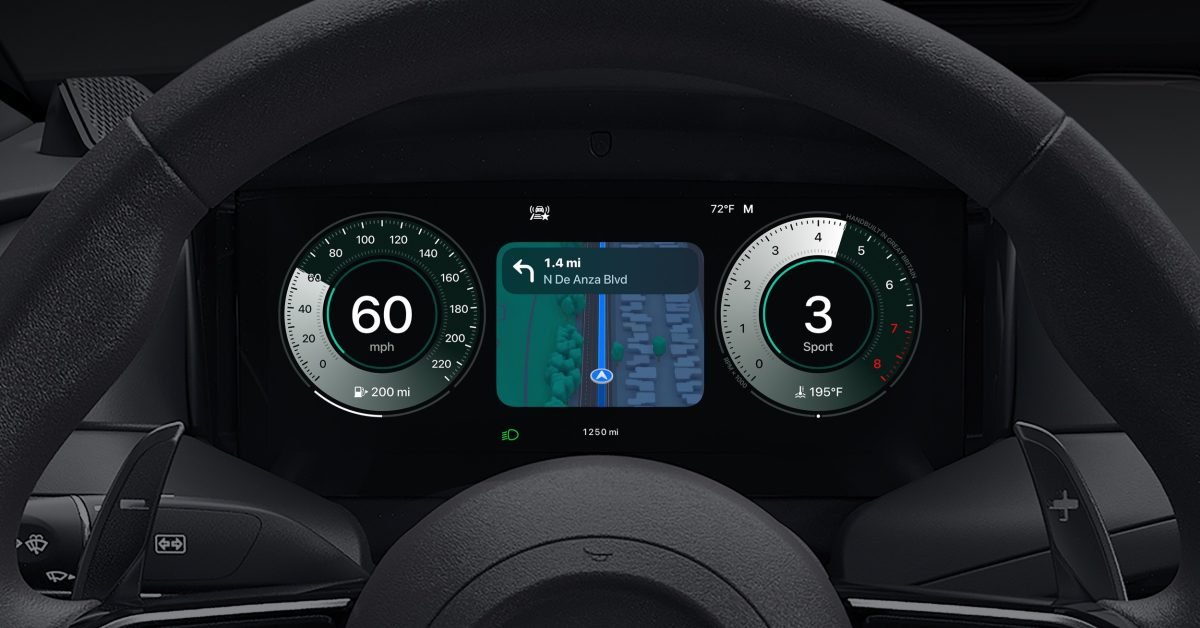
CarPlay Ultra represents a fundamental shift in how Apple's automotive platform operates. Unlike the standard CarPlay that runs as an overlay on existing car infotainment systems, Ultra is designed to integrate more deeply with vehicle hardware and controls.
The platform offers enhanced customization options, allowing automakers to maintain their unique design language while leveraging Apple's interface expertise. It also provides more granular control over vehicle functions, potentially including climate controls, seat adjustments, and other car-specific features that were previously inaccessible through CarPlay.
Tesla taking a different approach
While Hyundai/Kia moves toward CarPlay Ultra, Tesla is reportedly working on a different strategy. According to Gurman's report, Tesla is developing support for the standard version of CarPlay rather than the Ultra variant.
Tesla's implementation will reportedly display CarPlay as a separate window within its existing user interface, rather than allowing it to take over the entire screen. This approach maintains Tesla's distinctive software experience while providing CarPlay functionality for users who prefer Apple's ecosystem.
The electric vehicle maker is also planning to support wireless CarPlay, eliminating the need for USB connections and providing a more seamless user experience.
Industry implications
The expansion of CarPlay Ultra to mainstream manufacturers like Hyundai and Kia represents a significant milestone for Apple's automotive ambitions. It suggests growing confidence in the platform's ability to deliver value beyond luxury vehicles.
For consumers, this expansion means more vehicles will offer the enhanced integration and user experience that CarPlay Ultra provides. The platform's deeper integration capabilities could make it easier to control various vehicle functions through familiar Apple interfaces, potentially improving safety by reducing the need to navigate complex native infotainment systems.
As more manufacturers adopt CarPlay Ultra, we may see increased competition in the automotive software space, potentially driving innovation in how vehicles integrate with mobile devices and digital assistants.
Looking ahead
The second half of 2026 will be crucial for CarPlay Ultra's adoption trajectory. If Hyundai or Kia's implementation proves successful, it could encourage other manufacturers to follow suit, accelerating the platform's rollout across different vehicle segments.
Meanwhile, Tesla's decision to support standard CarPlay rather than Ultra suggests that the industry may see a bifurcation between manufacturers embracing deeper Apple integration and those preferring more limited implementations that preserve their existing user interfaces.
As these developments unfold, consumers will have more choices for how they integrate their Apple devices with their vehicles, potentially making the driving experience more seamless and intuitive across a wider range of vehicles.
Comments
Please log in or register to join the discussion