
The explosive 2022 scandal involving Magnus Carlsen and Hans Niemann exposed the existential threat AI-powered cheating poses to competitive chess. Chess.com CCO Danny Rensch reveals the technical and ethical challenges of detecting engine use online and the impossible position of being an accidental arbiter for a centuries-old game.

It began with a notification. Danny Rensch, Chief Chess Officer at Chess.com, had just landed in Salt Lake City after attending the prestigious Sinquefield Cup in St. Louis. A WhatsApp message awaited him: a query from Henrik Carlsen, father of World Champion Magnus Carlsen. The subject? Chess.com's cheat detection capabilities. The unspoken context was Magnus's shocking, unprecedented loss earlier that day to 19-year-old American Grandmaster Hans Niemann – a defeat that ignited the biggest cheating scandal in chess history and laid bare the game's vulnerability in the age of artificial intelligence.
Rensch's firsthand account, excerpted in Quillette, details how this moment crystallized an existential crisis brewing for years. The core threat? Open-source chess engines, freely available on any smartphone, now play at a level surpassing all human Grandmasters. This technological leap transformed cheating from a rare breach of a "gentleman's game" into an epidemic.
"With the rise of artificially intelligent chess engines," Rensch writes, "computers could now play the game better than any human being on the planet... the engines themselves were free and open-source; anybody could go to the app store on their phone and download a program that allowed them to beat every grandmaster who’d ever lived." The consequence? "Thousands of people were cheating online every day" and "the world of competitive chess was barrelling toward a total breakdown of mutual faith and trust."
Enter Chess.com's cheat detection system, developed under Rensch's oversight. Tasked with policing millions of daily games, it represents a significant technical feat in behavioral analysis:
- Algorithmic Analysis: The system employs complex mathematical models analyzing move choices, comparing them against top engine suggestions, and assessing statistical deviations from a player's established skill level and human-like decision-making patterns (time usage, consistency, accuracy spikes).
- Manual Review: Flagged games undergo rigorous human review by expert analysts who examine context, game phases, and subtle behavioral cues invisible to pure algorithms.
- Confidentiality: Detected cheaters, including titled players, were typically handled privately, especially minors, offering paths to rehabilitation. Hans Niemann fell into this category – caught, confessed, and sanctioned by Chess.com in 2020 while under 18.
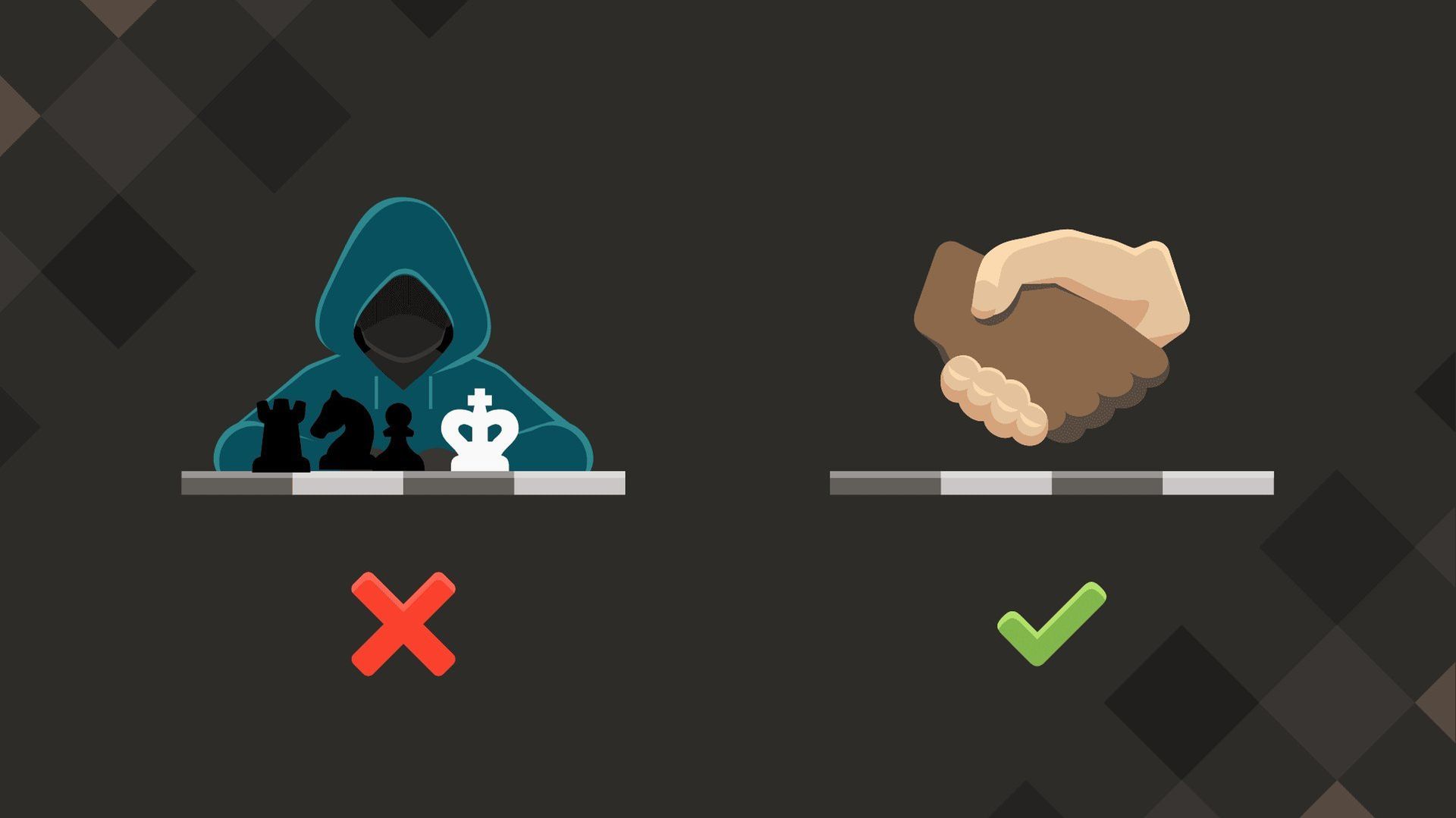 Chess.com's infrastructure processes millions of games daily, employing sophisticated algorithms and expert review to detect engine assistance. (Image: Chess.com)
Niemann's astonishing rise and the St. Louis upset against Carlsen brought whispers of over-the-board (OTB) cheating to a crescendo. When Henrik Carlsen pressed Rensch, the CCO confirmed Niemann's past online cheating but stressed a critical limitation: "Chess.com could not offer any proof of Hans cheating in over-the-board play. We lacked the jurisdiction, we lacked the evidence, and most importantly, we lacked any real reason to care about Hans’s performances off our website."
This moment highlights the profound ethical and jurisdictional dilemma faced by tech platforms that inadvertently become guardians of integrity:
- The Burden of Proof: Detecting sophisticated OTB cheating (e.g., via hidden devices) requires physical surveillance far beyond an online platform's scope or resources. Online detection algorithms cannot translate directly to the physical world.
- The Custodian Paradox: Rensch poignantly questions the legitimacy of his role: "Chess belongs to the world... who appointed me the arbiter of what constitutes fair play? Nobody." Tech platforms, through scale and necessity, assume immense responsibility for ecosystems they don't own.
- The Collision of Worlds: The impending acquisition of Magnus Carlsen's Play Magnus Group by Chess.com added layers of conflict, making Carlsen's subsequent withdrawal from the Sinquefield Cup and public accusations against Niemann a direct business concern.
The Carlsen-Niemann saga was the catalyst, but the underlying issue remains pervasive. Chess's struggle mirrors broader challenges in competitive domains where AI tools exist: How do you preserve trust and verify human achievement when perfect digital assistants are a pocket away? Chess.com's detection systems are a technological shield, but they operate within defined digital borders. The real-world arena presents a far murkier battlefield, demanding new solutions – perhaps involving advanced signal detection, stringent physical checks, or even cryptographic verification of moves – to bridge the trust gap technology created. The game endures, but its guardianship in the silicon age is a complex, unenviable task thrust upon those who never asked for it.
Comments
Please log in or register to join the discussion