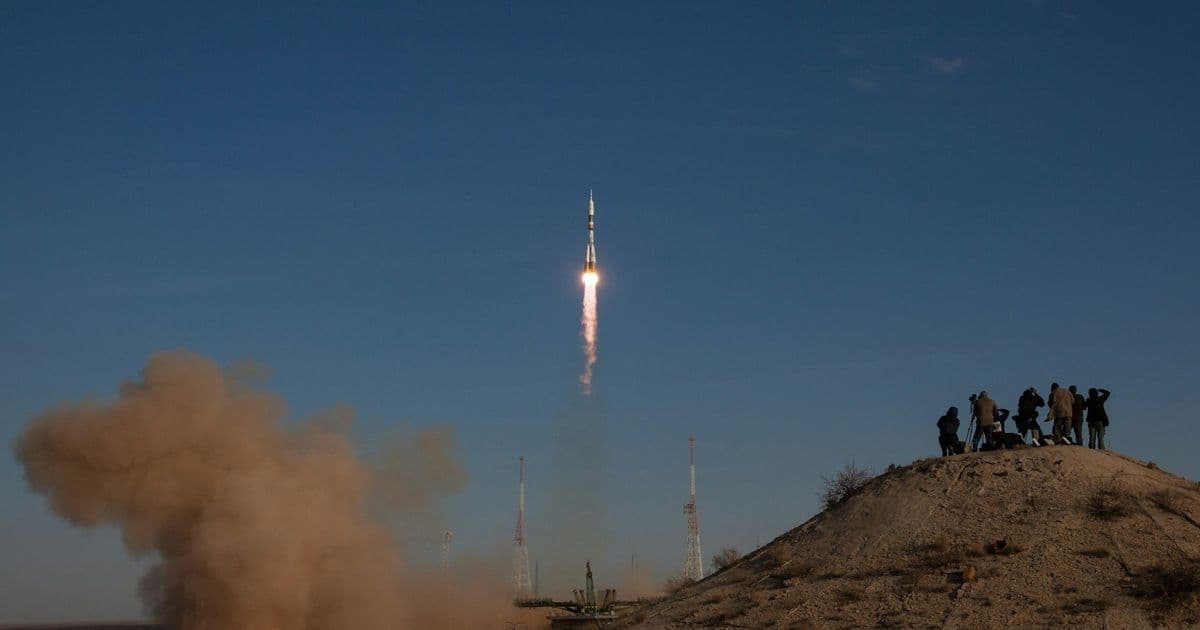
China has launched its classified reusable spacecraft for the fourth time, advancing its capabilities in orbital technology and positioning itself as a key player alongside the US in the emerging spaceplane domain.
China has successfully launched its reusable experimental spacecraft for the fourth time, further advancing a program that parallels the United States' capabilities in orbital maneuverability. The classified vessel blasted off on Saturday from the Jiuquan Satellite Launch Center in Northwest China atop a Long March-2F carrier rocket. While state media confirmed the launch was for "technology verification" and the "peaceful use of outer space," officials provided no photos, launch times, or mission parameters.
Despite the secrecy, Chinese space enthusiasts have nicknamed the craft "Shenlong," or "Divine Dragon," viewing it as a counterpart to the US Space Force's X-37B. This mission follows a pattern of increasing operational endurance. The program's debut in September 2020 lasted just two days, whereas the second and third missions — launched in 2022 and 2023 — stayed in orbit for 276 and 268 days, respectively.
Currently, China and the United States are the only two countries flying reusable spaceplanes following the retirement of the US Space Shuttle in 2011. The US X-37B remains the leader in the field, having launched its eighth mission last August to test quantum inertial sensors and high-bandwidth laser links.
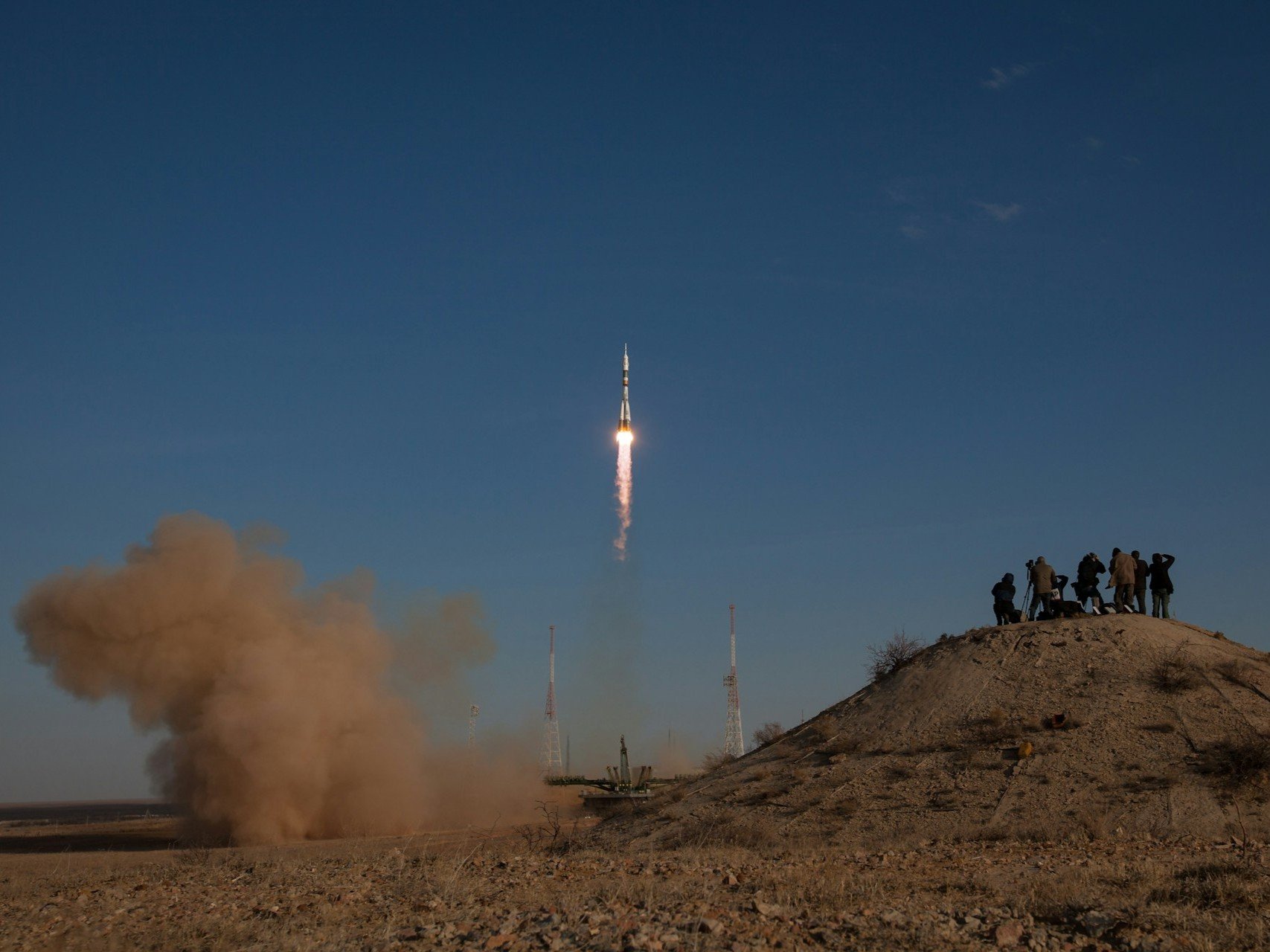
The Shenlong program represents China's strategic push to develop reusable space technology that can reduce launch costs while maintaining operational flexibility. Unlike traditional satellites, reusable spaceplanes can return to Earth, potentially allowing for equipment upgrades, repairs, or the retrieval of experimental payloads.
China's approach mirrors the X-37B's operational model, which has demonstrated the ability to conduct extended missions while carrying classified payloads. The increasing mission duration suggests China is progressively refining its spacecraft's systems, from thermal protection to autonomous landing capabilities.
The secrecy surrounding these missions is typical of early-stage military space programs, where operational details remain classified to protect technological advantages. However, the pattern of launches and the consistent use of the Long March-2F rocket provide analysts with some understanding of the program's trajectory.
As both nations continue to develop their reusable spacecraft capabilities, the technology could reshape how military and civilian space operations are conducted, offering new possibilities for rapid deployment, satellite servicing, and orbital experimentation.
Comments
Please log in or register to join the discussion