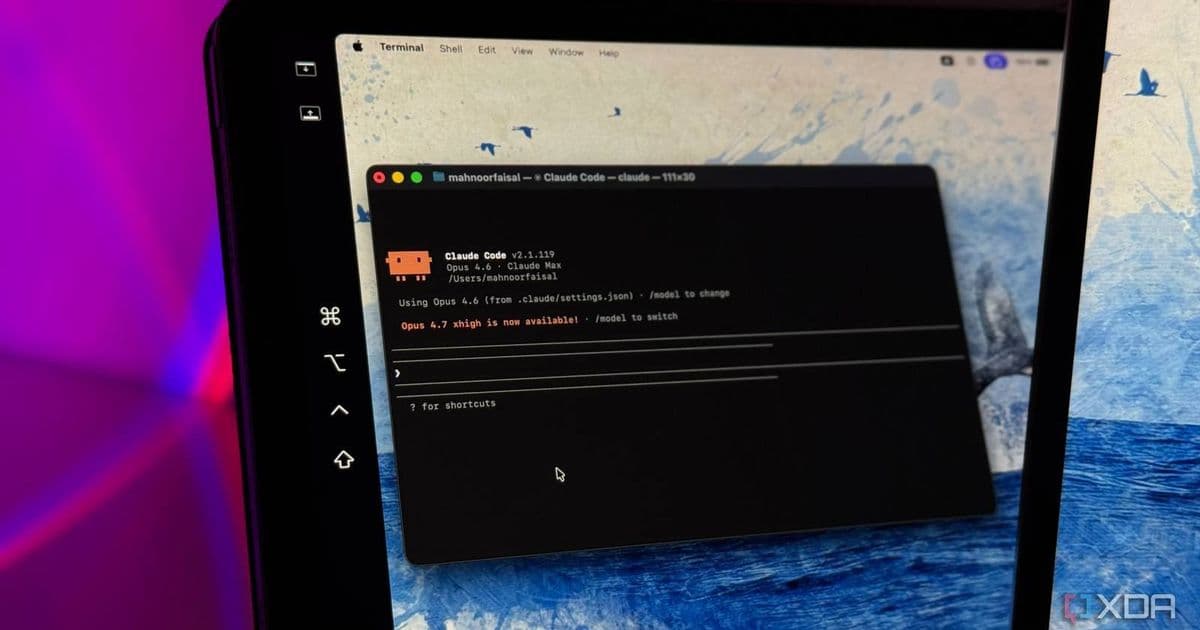
Anthropic has released its preview of Claude's 'dreaming' feature for Managed Agents, allowing AI systems to review their own performance, identify patterns, and learn from mistakes to improve long-term task execution.
Anthropic has officially launched the preview of its highly anticipated 'dreaming' feature for Claude Managed Agents, a capability that allows AI systems to reflect on their own performance and learn from past interactions. This feature, which was previously leaked and generated significant interest in the developer community, is now available for developers to request access through the Claude website.
Understanding the Dreaming Mechanism
The dreaming feature operates as a post-processing step for Claude's Managed Agents. After completing tasks, developers can activate a dreaming state where Claude reviews all agent runs since the last dreaming session. This review process serves multiple purposes:
- Pattern Recognition: Identifying recurring workflows and behaviors that individual agents might miss
- Mistake Analysis: Detecting repeated errors or suboptimal approaches
- Memory Restructuring: Organizing information to maintain high signal-to-noise ratio as the system evolves
- Cross-Agent Learning: Sharing preferences and insights across multiple agents in a team
This capability is particularly valuable for long-running tasks and complex multiagent orchestration scenarios where maintaining context and learning from experience becomes crucial.
Technical Implementation and Requirements
From a technical perspective, the dreaming feature represents an interesting approach to continuous improvement in AI systems. The feature operates on several technical levels:
- Data Processing: Claude analyzes agent interaction logs, extracting key metrics and performance indicators
- Pattern Analysis: Using advanced algorithms to identify trends that might not be apparent in real-time operation
- Memory Optimization: Restructuring the agent's knowledge base to prioritize more relevant information
- Feedback Integration: Creating a mechanism to apply insights from dreaming sessions to future agent behavior
For developers looking to implement this feature, Anthropic has specified that it's currently available through the Claude website with a straightforward access request process. The feature is designed to integrate seamlessly with existing Claude Managed Agent workflows, requiring minimal configuration to activate.
Developer Impact and Workflow Integration
The introduction of the dreaming feature represents a significant shift in how developers can approach AI agent development and maintenance. Here's how it impacts development workflows:
Development Process Changes
- Iterative Improvement: Developers can now observe how their agents evolve over time, making it easier to refine prompts and instructions
- Debugging Enhancement: The feature surfaces patterns that help identify why certain approaches work or fail
- Long-term Project Management: For ongoing projects, dreaming provides insights into how agent performance changes as requirements evolve
Cross-Platform Considerations
While Claude operates primarily as a cloud-based service, the dreaming feature has implications for cross-platform development:
- Consistent Behavior: Developers can expect more consistent agent behavior across different platforms and deployment environments
- Knowledge Transfer: Insights gained from dreaming sessions can be applied to agents deployed on different platforms
- API Integration: The feature works with Claude's API, allowing for integration with various mobile and desktop applications
Migration Path and Implementation Strategy
For teams considering adopting this feature, Anthropic recommends a phased approach:
- Initial Testing: Start with non-critical workflows to understand how dreaming affects your specific use cases
- Pattern Analysis: Review the insights provided by dreaming to identify opportunities for prompt optimization
- Gradual Integration: Gradually incorporate dreaming insights into production agents
- Performance Monitoring: Continuously evaluate how the feature impacts agent performance and accuracy
Anthropic has emphasized that during the preview phase, the feature may undergo significant changes, with at least one week's notice provided before any breaking modifications are implemented.
Limitations and Caveats
Despite its potential, the dreaming feature comes with important limitations that developers should be aware of:
- Preview Status: As a preview release, the feature may not yet be production-ready
- Breaking Changes: Anthropic explicitly states that "may ship breaking changes" during the preview window
- Sensitivity Concerns: The company advises against using the feature with critical or sensitive workflows
- Resource Requirements: The dreaming process consumes additional computational resources
Future Implications
The dreaming feature opens up several interesting possibilities for the future of AI agent development:
- Self-Improving Systems: Agents that can autonomously identify and address their own weaknesses
- Collective Intelligence: Teams of agents that share knowledge and learn from each other's experiences
- Adaptive Workflows: Systems that dynamically adjust their approach based on past performance
- Enhanced User Experience: More personalized and effective AI assistance over time
For developers interested in exploring this feature, the next step is to request access through the Claude website and begin experimenting with non-critical workflows to understand its potential impact on their specific use cases.
As Anthropic continues to refine the dreaming feature, we can expect to see more sophisticated approaches to AI self-improvement and learning, potentially setting new standards for how AI systems evolve and adapt to user needs over time.
Comments
Please log in or register to join the discussion