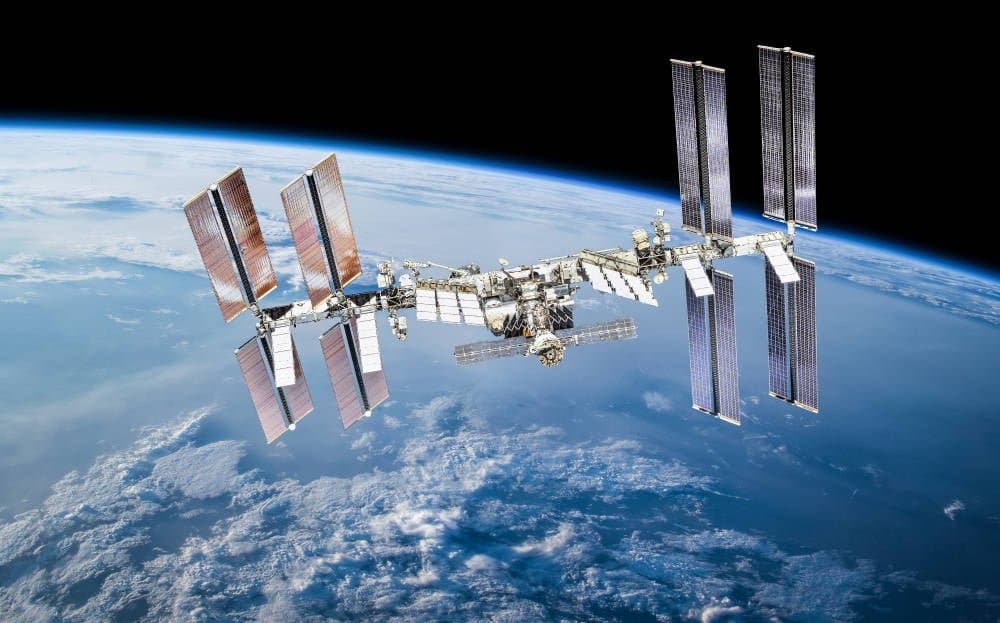
Private space companies are frustrated with NASA's shifting requirements for commercial space stations, warning that constant changes are undermining confidence and investment in the sector.
The commercial space industry is pushing back against what it sees as NASA's inconsistent approach to replacing the International Space Station, with industry leaders warning that constant changes in requirements are undermining confidence and investment in the sector.
During a recent hearing before the United States House Committee on Science, Space, and Technology, Dave Cavossa, President of the Commercial Space Federation, compared NASA's shifting goals to the classic "Lucy and Charlie Brown with the football" scenario. The analogy captures the frustration felt by companies that have been developing plans for commercial space stations, only to see NASA change direction multiple times.
At the heart of the issue is NASA's latest pivot regarding the International Space Station's replacement. The agency had been working toward a model where commercial entities would develop and operate their own space stations, with NASA serving as a paying customer. However, during NASA's recent Ignition presentation, the agency signaled a potential shift toward building its own core station module that would compete with industry efforts.
The commercial space sector is particularly concerned about the ripple effects these changes are having across the industry and investment community. Companies have been grappling with NASA's changing requirements for years, creating what Cavossa described as fiscal whiplash. The latest proposal would require already-designed stations to dock with the ISS to meet other unknown requirements, adding another layer of complexity to an already challenging development process.
NASA's perspective is that previous plans for commercial low Earth orbit development haven't progressed as hoped, and the agency believes it needs to shake things up to avoid a potential gap between the end of ISS operations and what comes next. The ISS is currently scheduled for deorbit by 2032 at the latest, creating a firm deadline for any replacement infrastructure.
Joel Montalbano, NASA's Acting Associate Administrator for Space Operations, outlined the agency's latest approach during the hearing. NASA is releasing a request for information on a new concept that would involve procuring a core module to be attached to the ISS. This core module would include docking ports for commercial providers to attach their modules, eventually becoming a free-flyer once the ISS is decommissioned.
However, this plan received a reality check from Representative George Whitesides, who pointed out that building new ISS components typically takes about ten years. "I don't get how... where are we going to get this new thing? And doesn't that go beyond the lifetime of the ISS substantially?" he asked, highlighting the logistical challenges of meeting the 2032 deadline.
Montalbano responded that industry partners have indicated they're ready to work faster and that NASA is prepared to shortcut wherever possible to get a module up to the station more quickly. This accelerated timeline would require laser focus from both NASA and its commercial partners.
The commercial space industry's plea to NASA is essentially a request for stability and predictability. Companies need to know what requirements they're working toward and have confidence that those requirements won't change dramatically mid-development. Without this stability, the industry argues, it becomes difficult to justify the massive investments required to develop commercial space infrastructure.
This isn't the first time NASA has faced criticism for changing course on major projects. The space agency has a history of shifting priorities with changes in administration or when faced with technical or budgetary challenges. However, the commercial space sector argues that the current situation is particularly problematic because it involves multiple private companies making long-term investments based on government requirements.
The stakes are high for both NASA and the commercial space industry. A successful transition from the ISS to commercial space stations is crucial for maintaining America's presence in low Earth orbit, supporting scientific research, and enabling the growing commercial space economy. However, achieving this transition requires coordination, clear communication, and a stable set of requirements that industry can plan around.
As NASA moves forward with its RFI process and continues to refine its approach, the commercial space industry will be watching closely to see whether the agency can provide the stability and predictability that companies need to make the massive investments required for commercial space station development. The success of NASA's commercial space strategy may depend on whether the agency can resist the urge to keep moving the goalposts as companies prepare to kick the football.
Comments
Please log in or register to join the discussion