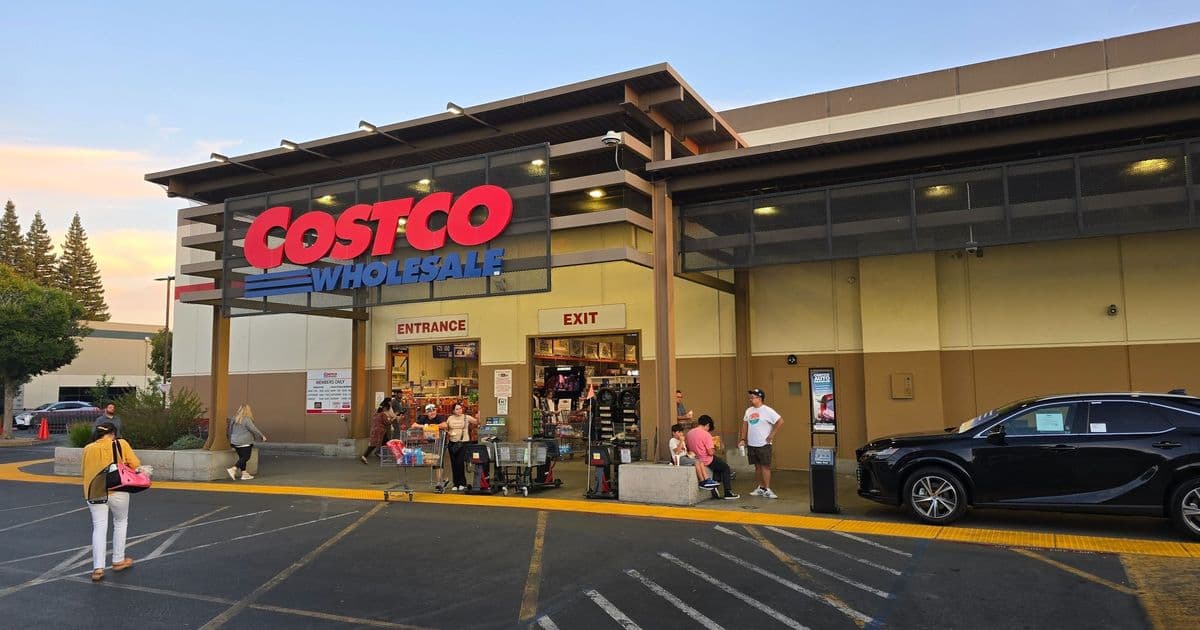
Retailer takes unprecedented step of removing RAM modules from demo computers as semiconductor shortage drives component theft to new heights
The semiconductor shortage has reached a new frontier: Costco's display PCs. Customers across multiple locations report that the warehouse retailer has begun removing RAM modules from its demo computers, a security measure previously reserved for high-value graphics cards.
Memory modules vanish from demo units
Multiple shoppers have documented the phenomenon on social media, sharing photos of Costco display computers missing their memory sticks. The most striking example shows four demo PCs where three retain their GPUs but one high-end $2,600 system has both its graphics card and RAM removed entirely.
The pattern extends beyond isolated incidents. Commenters report similar situations at their local Costco and Walmart locations, suggesting this represents a coordinated response to a growing problem rather than isolated theft events.
From pandemic mining to memory madness
This security escalation mirrors tactics deployed during the 2020-2021 GPU shortage when cryptocurrency mining drove graphics card prices to record highs. Retailers then resorted to anti-theft measures including security tethers, locked display cases, and limited floor stock to combat organized shoplifting rings targeting the valuable components.
However, the current memory shortage presents a different challenge. Unlike the GPU crisis driven by speculative demand and scalping, today's DRAM shortage stems from fundamental supply constraints. Manufacturers face production bottlenecks, increased demand from AI servers, and geopolitical tensions affecting semiconductor manufacturing capacity.
The economics of component theft
Industry analysts estimate that RAM modules now command premium prices on secondary markets, with DDR5 modules selling for 30-50% above MSRP in some regions. A single 32GB DDR5-6000 kit can fetch $300-400 on reseller platforms, making them attractive targets for organized retail crime.
Costco's approach—removing components entirely rather than securing them—suggests the retailer has determined that replacement costs and theft risk outweigh the benefits of fully functional demo units. The strategy also prevents potential thieves from testing compatibility or verifying functionality before attempting theft.
Broader retail security implications
Other major retailers have implemented similar measures. Best Buy now keeps most high-end RAM behind customer service counters, while Micro Center limits customers to one memory kit per transaction. Online retailers have introduced purchase limits and enhanced verification procedures.
The Costco situation highlights how semiconductor shortages ripple through the entire supply chain, affecting not just manufacturers and consumers but also retail operations and security protocols. As memory prices remain elevated and supply constrained, expect to see more retailers adopt similar protective measures.
What this means for consumers
For shoppers, the removal of RAM from display units means less opportunity to verify system performance before purchase. However, Costco's generous return policy and warranty coverage typically compensate for this limitation. The retailer's warehouse staff can usually provide specifications and performance data for interested customers.
More concerning is what this reveals about the severity of the current memory shortage. When a retailer as large and efficient as Costco feels compelled to remove basic components from display units, it signals that the shortage has reached critical levels affecting even the most basic retail operations.
The situation may improve as semiconductor manufacturers expand capacity and new production facilities come online, but industry experts predict the memory shortage could persist through 2024. Until then, expect to see more creative security measures as retailers adapt to protect their increasingly valuable inventory.

About the author: Hassam Nasir is a die-hard hardware enthusiast with years of experience as a tech editor and writer, focusing on detailed CPU comparisons and general hardware news. When he's not working, you'll find him bending tubes for his ever-evolving custom water-loop gaming rig or benchmarking the latest CPUs and GPUs just for fun.
Comments
Please log in or register to join the discussion