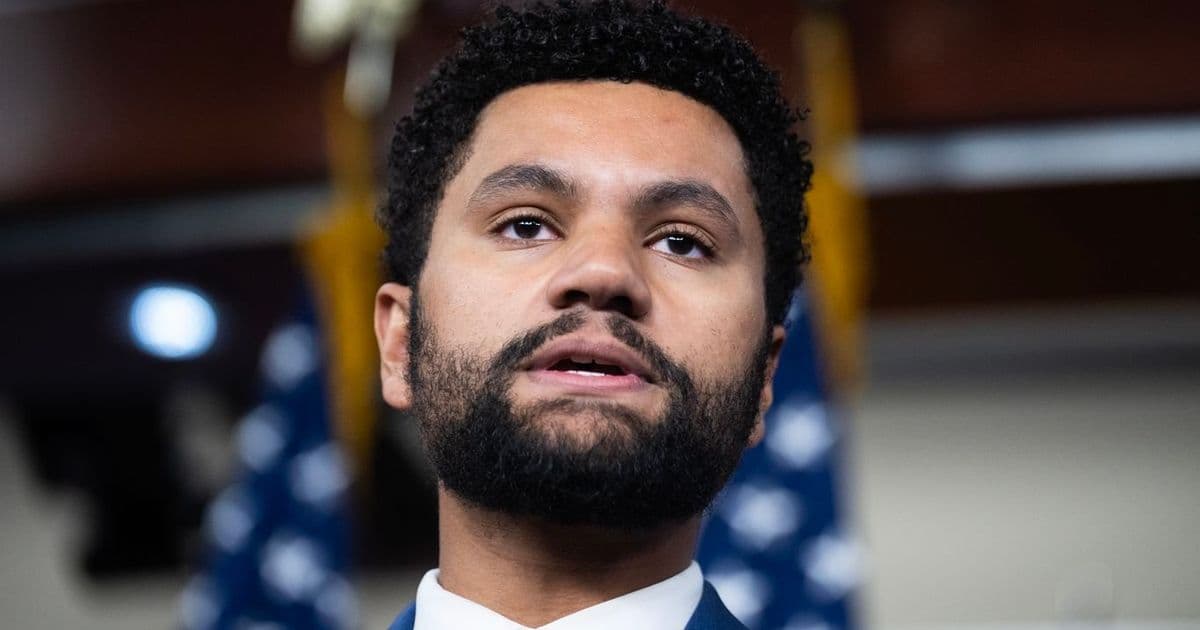
Newly unsealed court filings provide the first detailed account of the alleged assault on Representative Maxwell Frost in January 2026, revealing a pattern of escalating threats that underscores the growing security challenges facing lawmakers in the current political climate.
Federal court documents unsealed this week offer the most comprehensive public account yet of the alleged assault on Representative Maxwell Frost (D-Fla.) at the U.S. Capitol complex on January 13, 2026. The filings, part of the criminal case against the alleged assailant, paint a picture of a targeted incident that extends beyond a random act of violence.
According to the complaint, the suspect, identified as 34-year-old Marcus Chen, had been monitoring Frost's public appearances and social media activity for weeks prior to the incident. Court records allege Chen sent multiple threatening messages to Frost's office and posted about the representative on extremist forums. The alleged assault occurred outside the Capitol Visitor Center, where Frost had just concluded a press conference on climate policy. Security footage cited in the documents shows Chen approaching Frost, engaging in a brief verbal exchange, and then allegedly shoving the congressman to the ground, causing minor injuries.
The incident has drawn renewed attention to the security protocols protecting members of Congress. While the U.S. Capitol Police have a standing threat assessment unit, the documents suggest that Chen's online activity may not have triggered the highest level of alert. Frost's office had reported prior threats to Capitol Police, but the case was categorized as "low-to-moderate" risk, according to sources familiar with the matter. This classification has sparked debate within security circles about whether current threat assessment models adequately account for the modern digital footprint of potential assailants.
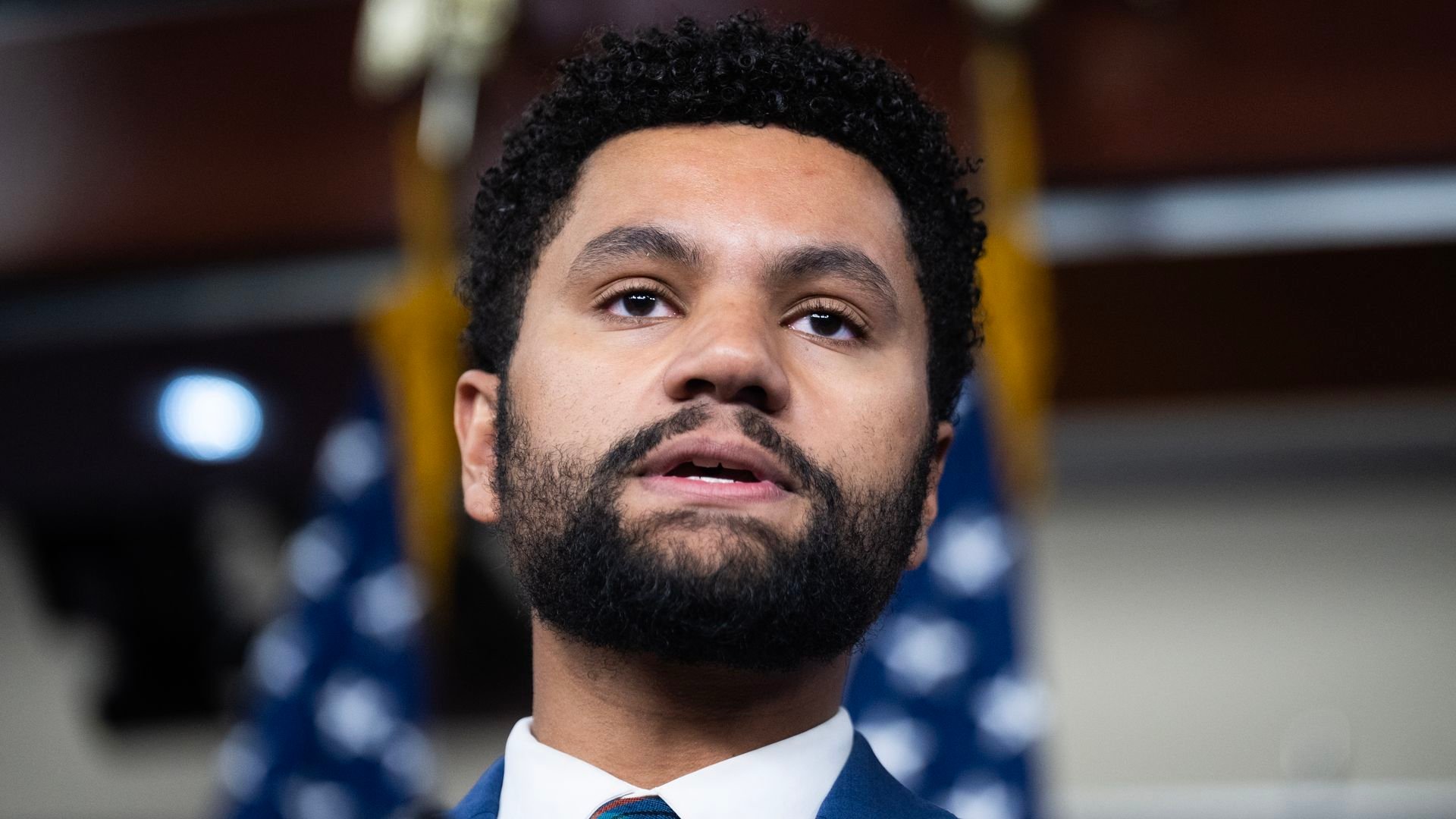
The security implications extend beyond individual cases. Congressional security spending has increased by 42% since 2020, reaching $1.2 billion in fiscal year 2025, according to House Appropriations Committee data. However, the allocation of these resources remains a point of contention. While personal security details for leadership and high-profile members have expanded, rank-and-file representatives like Frost rely primarily on Capitol Police patrols and office-based security measures. The incident has prompted calls for a comprehensive review of threat assessment protocols, particularly for members who may not qualify for enhanced protection but face significant public exposure.
The case also highlights the intersection of digital surveillance and physical security. Chen's alleged online research into Frost's schedule and movements raises questions about how public officials' digital footprints are monitored and protected. Several cybersecurity firms that contract with congressional offices report a 300% increase in attempted digital intrusions targeting lawmakers' personal and professional data since 2022. These attempts range from phishing campaigns to more sophisticated social engineering attacks aimed at gathering intelligence for potential physical threats.
Legal experts note that the case could set important precedents for how threats against public officials are prosecuted. The Department of Justice has charged Chen with assaulting a federal officer and making threats, charges that carry sentences of up to 20 years if convicted. However, the threshold for what constitutes a "credible threat" remains legally ambiguous. The Supreme Court's 2023 decision in United States v. Sineneng-Smith clarified some aspects of threat statutes, but lower courts continue to grapple with the balance between protecting officials and preserving free speech rights.
Frost's response to the incident has been measured. In a statement released through his office, he emphasized the importance of maintaining public engagement despite security concerns. "We cannot allow fear to silence our democracy," the statement read. "While we must take appropriate security measures, the work of representing our constituents must continue." This stance reflects a broader tension within Congress, where some members advocate for more restrictive security protocols while others warn against creating a "fortress" mentality that distances lawmakers from the public.
The incident has also accelerated discussions about technological solutions for congressional security. Several startups have pitched AI-powered threat detection systems that monitor social media and public forums for potential threats against specific officials. While some offices have piloted these tools, privacy concerns and the risk of false positives have slowed widespread adoption. The Capitol Police's technology division is currently evaluating three different platforms, with a decision expected by mid-2026.
As the case moves toward trial, it will likely serve as a test case for how the justice system handles politically motivated violence in an era of heightened polarization. The outcome could influence both security policy and the legal framework for protecting public officials. For now, the documents reveal a sobering reality: the physical security of lawmakers increasingly depends on their digital presence, creating new vulnerabilities that traditional security measures struggle to address.
The full trial is scheduled to begin in April 2026, with prosecutors expected to present additional digital evidence linking Chen's online activity to the physical assault. Meanwhile, Capitol Police have reportedly increased patrols around the Capitol complex and enhanced screening at public events, though officials have declined to specify the scope of these changes for security reasons.
Comments
Please log in or register to join the discussion