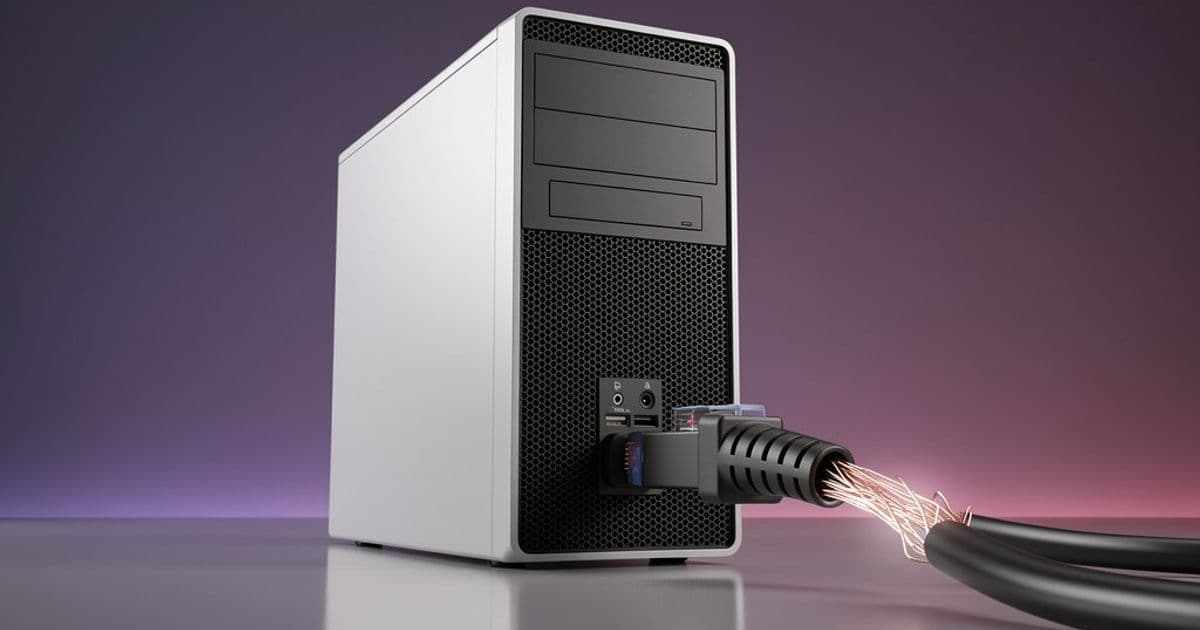
Attackers can exploit a buffer overflow in Windows IPv6 handling to execute arbitrary code on unpatched systems.
Critical Windows TCP/IP Vulnerability Enables Remote System Takeover
A critical vulnerability in Microsoft Windows allows remote attackers to execute malicious code on unpatched systems. Designated as CVE-2026-20943, this flaw carries a CVSS severity score of 9.8 (Critical). Successful exploitation grants attackers SYSTEM-level privileges without user interaction.
The vulnerability resides in Windows' TCP/IP networking stack. Specifically, improper handling of fragmented IPv6 packets triggers a heap-based buffer overflow. Attackers send specially crafted packets to exposed systems. This bypasses authentication mechanisms entirely.
Affected products include:
- Windows 10 versions 20H2 through 22H2
- Windows 11 versions 21H2 and 22H2
- Windows Server 2022
Microsoft released security updates KB5000000 (Windows 10) and KB5000001 (Windows 11/Server) on April 11, 2026. Apply these patches immediately via Windows Update or the Microsoft Update Catalog. Enterprise administrators should deploy through WSUS or Configuration Manager.
If patching isn't immediately feasible, disable IPv6 as a temporary workaround. However, this may disrupt network services. Microsoft confirms no active exploitation has been observed yet. Monitor the Microsoft Security Update Guide for latest advisories.
Systems exposed to untrusted networks face highest risk. Prioritize patching internet-facing Windows servers and endpoints. This vulnerability exemplifies ongoing risks in legacy network protocol implementations.
Comments
Please log in or register to join the discussion