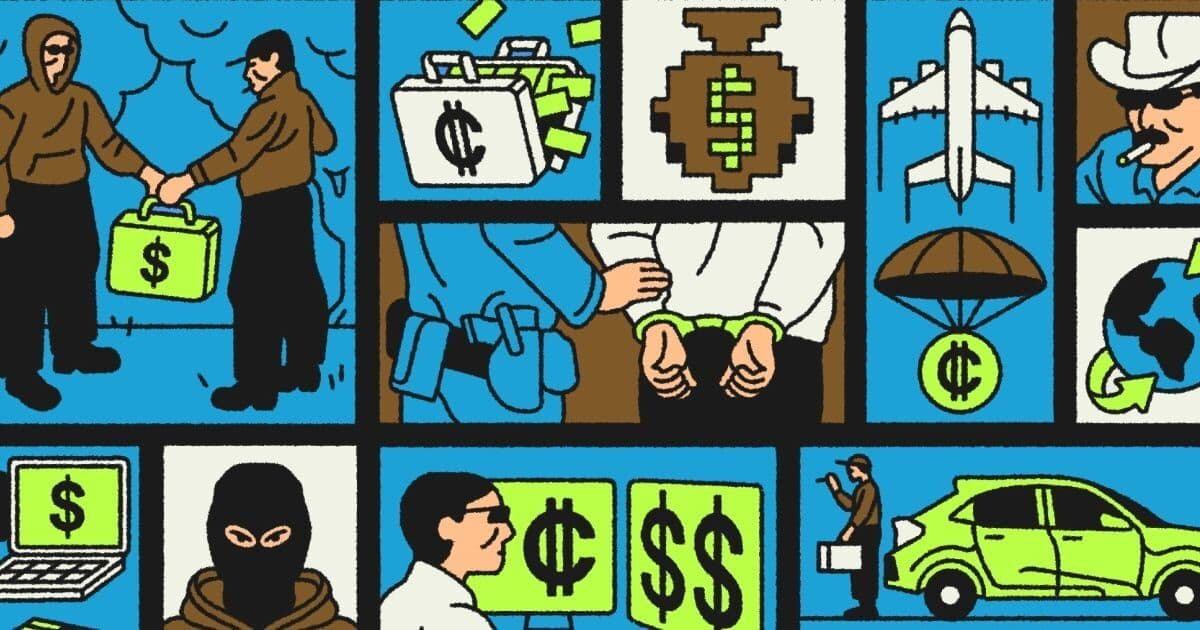
A Bloomberg investigation reveals how drug cartels and criminal groups are using cryptocurrency and messaging apps to create a vast global money laundering ecosystem.
A Bloomberg investigation has uncovered a sophisticated global money laundering ecosystem that leverages cryptocurrency and popular messaging apps like WeChat and Telegram to facilitate criminal operations, particularly those of drug cartels.
The investigation reveals that criminal organizations have developed an intricate network that exploits the gig economy and digital payment systems to "clean" illicit cash at an unprecedented scale. The operation's simplicity is deceptive—criminals are essentially offering cryptocurrency in exchange for "cold hard cash," creating a seemingly legitimate transaction that obscures the money's criminal origins.
This digital infrastructure represents a significant evolution in money laundering techniques. By combining the pseudo-anonymity of cryptocurrency transactions with the widespread adoption of messaging platforms, criminal groups have created a system that is both difficult to trace and remarkably efficient. The use of WeChat and Telegram is particularly concerning given their massive user bases and end-to-end encryption capabilities, which provide both cover and communication channels for these operations.
The ecosystem's reliance on the gig economy is especially noteworthy. By involving ordinary workers in small transactions, criminal organizations can distribute risk and create layers of separation between themselves and the illicit funds. This approach makes it exponentially more difficult for law enforcement to track and disrupt these operations, as the sheer volume of participants and transactions creates a complex web that is challenging to unravel.
What makes this investigation particularly alarming is the scale and sophistication of the operation. The integration of cryptocurrency, messaging apps, and gig economy workers has created a money laundering system that is not only effective but also highly adaptable. As authorities develop new methods to combat traditional money laundering, criminal organizations are evolving their tactics to exploit technological advancements and regulatory gaps.
This development raises serious questions about the intersection of technology and criminal activity. While cryptocurrency and messaging apps offer legitimate benefits for privacy and financial inclusion, their misuse by criminal organizations highlights the need for more robust regulatory frameworks and technological solutions to prevent exploitation.
The investigation serves as a stark reminder that as technology advances, so too do the methods of those who seek to exploit it for illicit purposes. It underscores the ongoing challenge faced by law enforcement and regulatory bodies in keeping pace with rapidly evolving criminal methodologies in the digital age.
For the tech community, this investigation highlights the dual-use nature of many technological innovations. While developers and companies focus on creating tools that enhance privacy, efficiency, and accessibility, they must also consider the potential for misuse and work proactively to implement safeguards and cooperate with authorities when criminal activity is detected.
As cryptocurrency adoption continues to grow and messaging platforms become increasingly central to global communication, the challenge of preventing their exploitation by criminal organizations will only intensify. This investigation provides a crucial window into the current state of digital money laundering and the urgent need for coordinated action between technology companies, financial institutions, and law enforcement agencies to address this evolving threat.
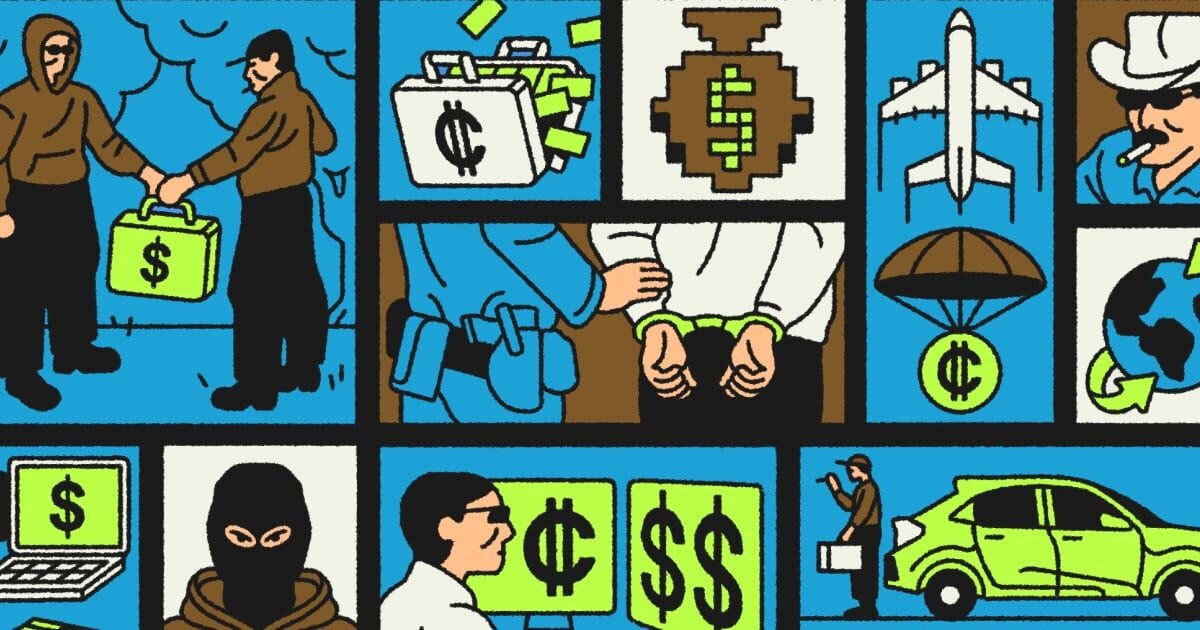
The full Bloomberg investigation provides detailed insights into the mechanics of this money laundering ecosystem and the challenges it poses to global financial security. Read the complete investigation on Bloomberg.
Comments
Please log in or register to join the discussion