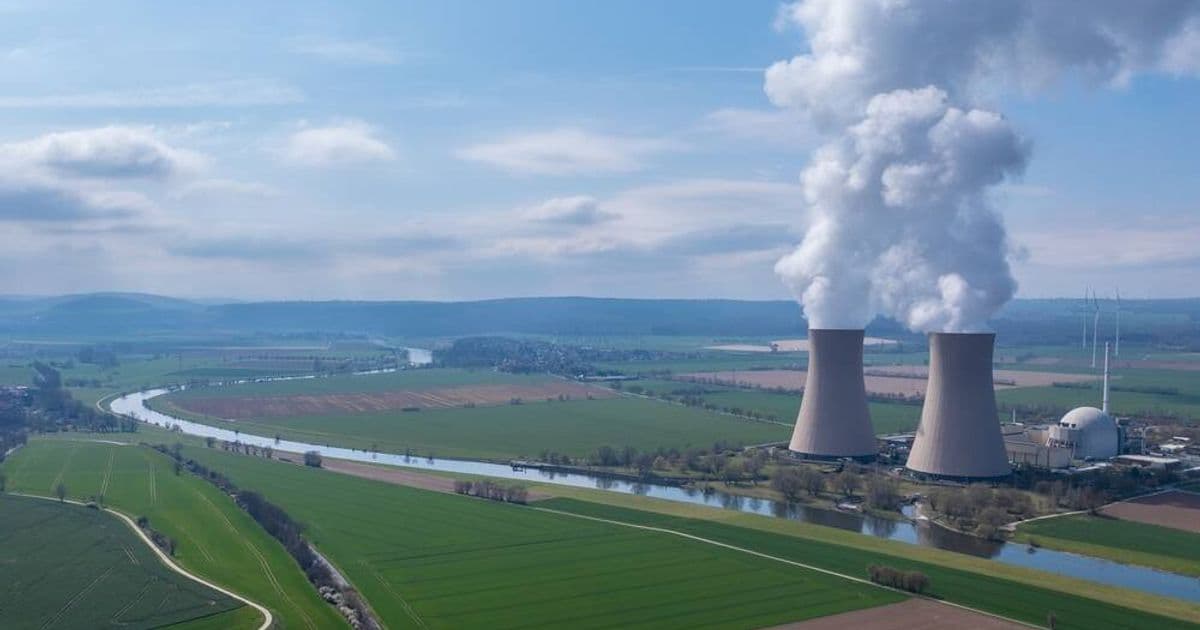
French datacenter operator Data4 has secured a 12-year nuclear power agreement with energy giant EDF, locking in 40MW of low-carbon electricity for its facilities. The unprecedented Nuclear Production Allocation Contract signals a strategic shift toward atomic energy as hyperscalers scramble to meet AI's insatiable power demands amid tightening sustainability regulations.
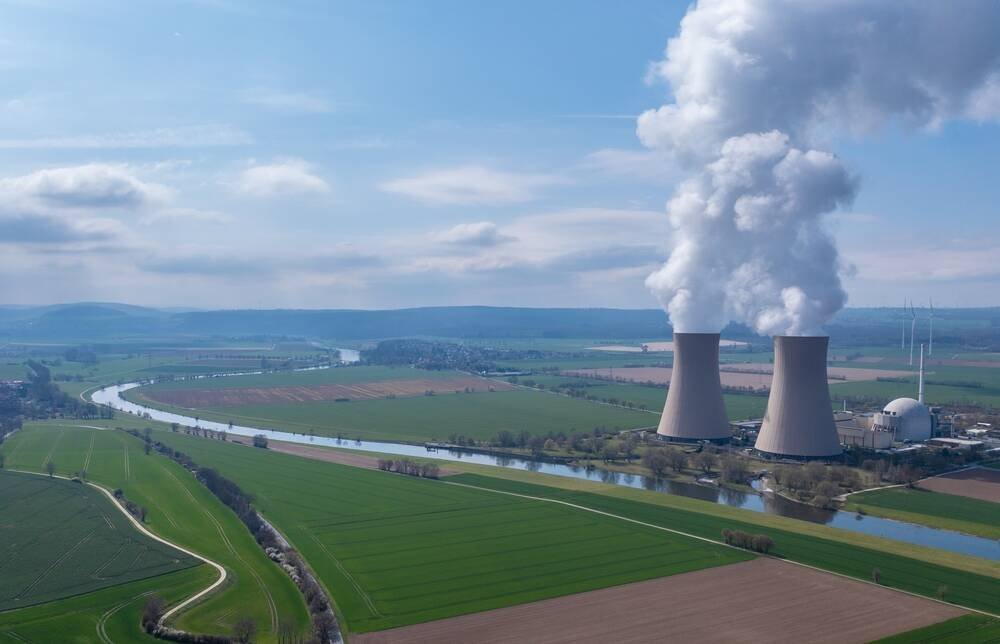
As artificial intelligence workloads trigger unprecedented energy demands across the tech sector, French datacenter operator Data4 has made a decisive bet on atomic power. The company just signed a groundbreaking 12-year Nuclear Production Allocation Contract (CAPN) with state-owned utility EDF—the first such agreement ever inked by a French datacenter firm. The deal guarantees 40MW of nuclear-sourced electricity starting in 2026, equivalent to powering approximately 80,000 homes, for Data4's sprawling network of facilities across Europe.
This nuclear pact represents more than just a power purchase—it's a strategic hedge against volatile energy markets and tightening sustainability regulations. The "behind-the-meter" arrangement features a cost and risk-sharing mechanism tied to actual production volumes, insulating Data4 from price fluctuations while providing EDF with stable demand. Crucially, it complements Data4's existing solar and wind Power Purchase Agreements (PPAs) to create a diversified low-carbon portfolio.
"Combined with renewable energy purchase agreements, this contract guarantees reliable, resilient, and continuous access to low-carbon energy at a controlled long-term cost—a considerable advantage for our clients," emphasized François Stérin, Data4's Chief Operating Officer.
The timing reflects intensifying pressure from Europe's Corporate Sustainability Reporting Directive (CSRD), which forces companies to disclose environmental impacts across their supply chains. With AI datacenters consuming up to 50 times more power per rack than traditional facilities, operators face mounting scrutiny. France's unique energy profile—where nuclear provides 70% of electricity—makes such deals particularly viable.
EDF is aggressively courting datacenter operators, recently offering land near its nuclear facilities with streamlined grid connections to accelerate campus development. The utility is also partnering on a colossal 1.4GW AI datacenter campus near Paris, backed by Nvidia, Mistral AI, and UAE investors, slated for 2028.
Yet nuclear power presents a complex solution to tech's energy crisis. While offering stable, carbon-free baseload power, new plants require decade-long development cycles—far slower than AI's exploding demands.
"Investing heavily in nuclear energy doesn't address the core issue," warns Elsa Nightingale, former Canalys ESG analyst. "Nuclear projects have long lead times while AI's energy demands are coming now."
As hyperscalers like Google explore next-gen solutions like molten salt reactors, Data4's gamble demonstrates how traditional datacenter operators are playing energy chess—securing atomic anchors while navigating the turbulent convergence of AI growth and decarbonization deadlines.
Source: The Register
Comments
Please log in or register to join the discussion