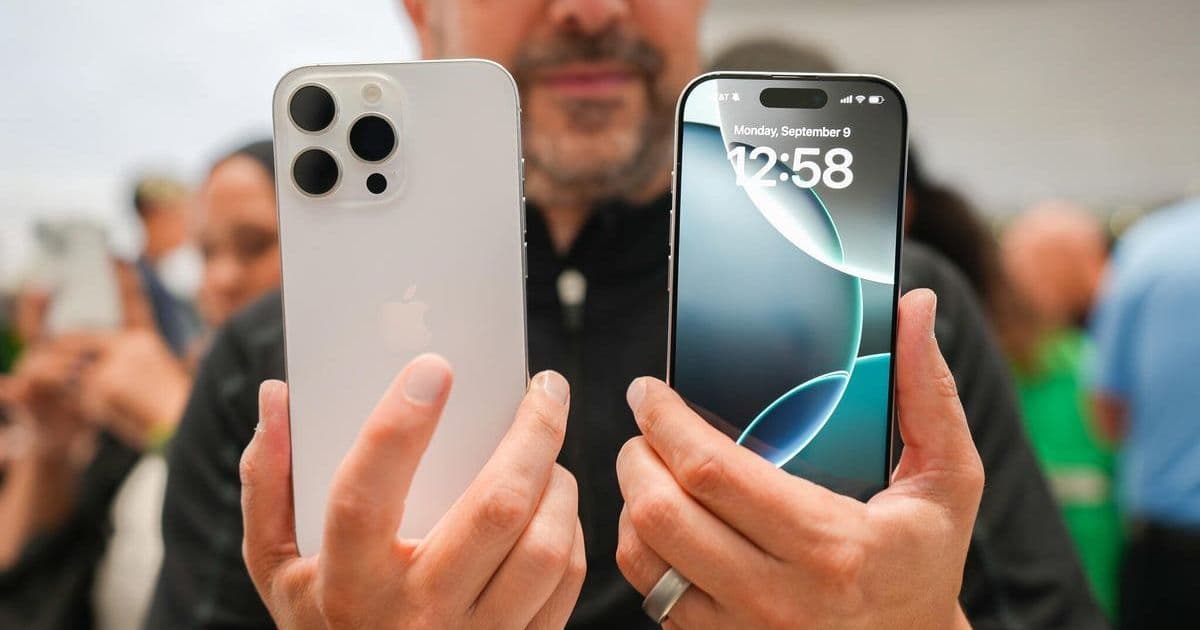
Apple's 'Awe-dropping' event on September 9th is set to unveil the iPhone 17 lineup, featuring rumored AI integrations to rival Google, a thinner 'iPhone 17 Air', and advanced health monitoring in the Apple Watch Series 11. For developers and tech leaders, these innovations could redefine mobile ecosystems and create new opportunities in app development and wearable tech.
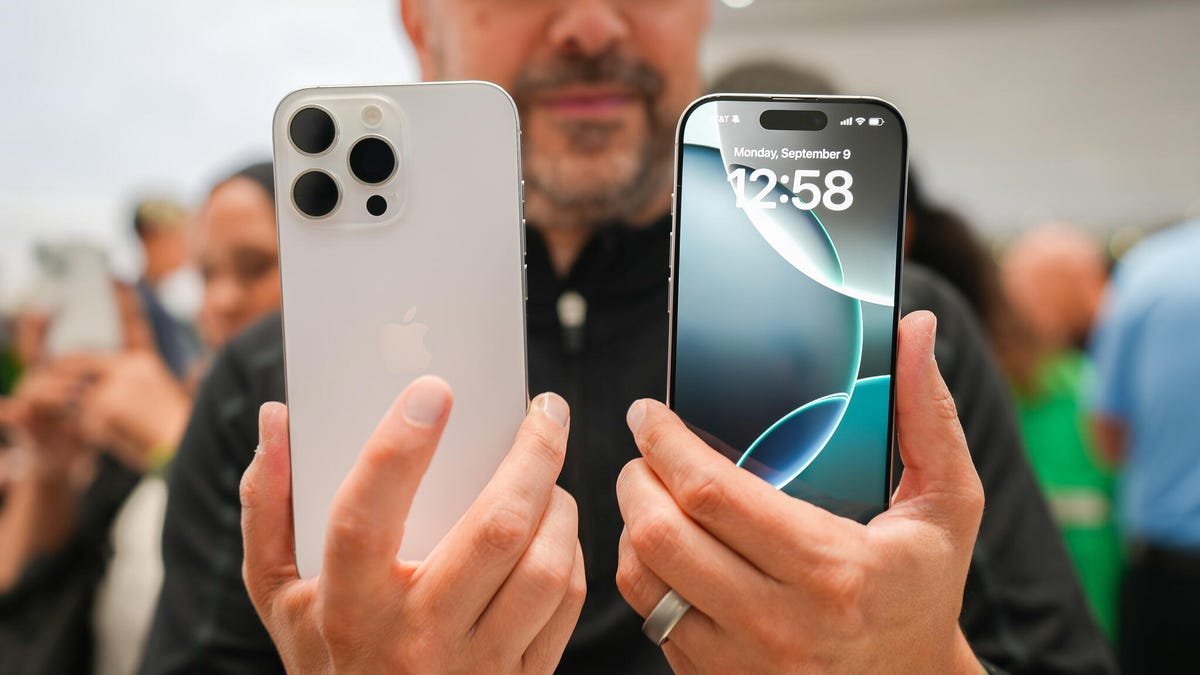
Cupertino, CA – September 8, 2025 – Apple's highly anticipated September event kicks off tomorrow at Apple Park, promising major announcements for the iPhone 17 series, Apple Watch Series 11, AirPods, and more. With the tagline "Awe-dropping," the tech giant aims to address gaps in AI competitiveness while introducing bold hardware redesigns. ZDNET's on-ground team, including Editor in Chief Jason Hiner and Wearables Editor Nina Raemont, will deliver real-time coverage, but leaked details already paint a picture of a pivotal moment for Apple's ecosystem—especially for developers eyeing new APIs and AI capabilities.
The iPhone 17: AI Catch-Up and Radical Design Shifts
Rumors suggest the iPhone 17 Pro and Pro Max will debut a redesigned camera bar, moving beyond the traditional layout to include additional sensors and a two-toned back panel that doubles as a wireless charging area. As Managing Editor Kerry Wan notes:
"For phone enthusiasts, think Poco M4 Pro design... Reverse wireless charging could finally arrive, a feature long standard on Android flagships."
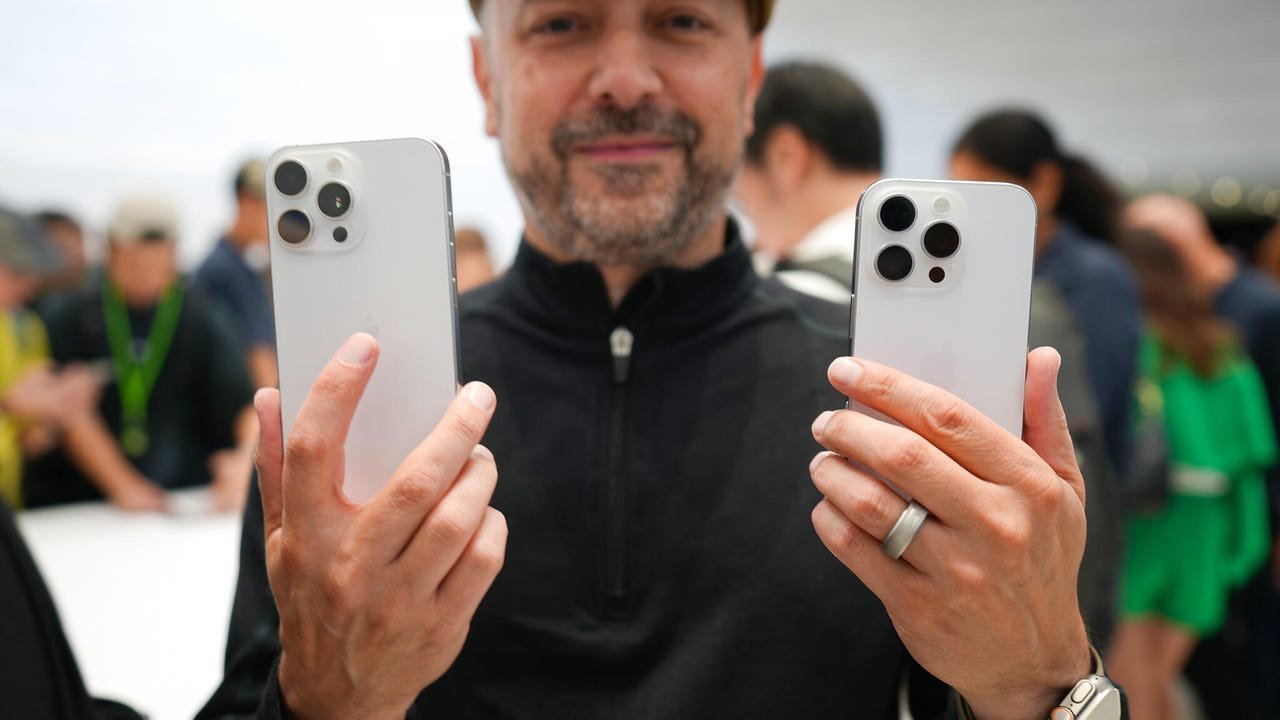 Caption: iPhone 16 Pro and iPhone 16 Pro Max (Credit: Kerry Wan/ZDNET)
More critically, Apple faces pressure to enhance its AI offerings. Despite hosting top AI apps, the iPhone lacks deep OS-level integrations seen in competitors like Google's Pixel 10. Jason Hiner outlines seven features Apple might adopt:
- ChatGPT's Voice Mode for seamless conversational AI
- Pixel 10's Pro Res Zoom for computational photography
- Google's Magic Cue for contextual assistance
- Anthropic's Deep Research for advanced reasoning
- Best Take from Google Photos for image refinement
- Broader language support in Siri
- Conversational photo editing akin to Google's tools
Hiner warns:
"As of right now, Google can make a pretty strong case that it offers the smartest phone money can buy. Apple must close this gap to prevent the iPhone 17 from feeling like a step behind."
Meanwhile, the rumored iPhone 17 Air could replace the Plus model, boasting an ultra-thin titanium frame, a single-sensor camera, and a larger display. This positions it as a bridge to future foldables, potentially reshaping Apple's product strategy for consumers seeking portability without Pro Max prices.
Apple Watch Series 11: Health Tech and Connectivity Upgrades
The Apple Watch Series 11 and Ultra 3 are expected to leverage WatchOS 26 for groundbreaking health features. Nina Raemont highlights five key upgrades:
- Sleep scores for detailed rest analysis
- An updated processor boosting performance for health apps
- Satellite connectivity on Ultra 3 for emergency use
- A revamped Health app with predictive insights
- Blood pressure tracking, a long-anticipated addition
These advancements could spur innovation in health-focused development, offering new data streams for app creators and integration points for telehealth services.
Decoding the "Awe-dropping" Invitation
Apple's event graphic—featuring a multicolored Apple logo—hints at deeper narratives. Kerry Wan speculates:
- New iPhone 17 Pro colors like Orange, Black, Silver, and Dark Blue
- A vapor chamber cooling system, suggested by the heat-map-like hues (reds for warmth, blues for cooling)
- Expanded body temperature and blood pressure monitoring across devices, addressing growing demand for at-home health tech
Why This Matters for the Tech Industry
For developers, the iPhone 17's rumored AI integrations could unlock new frameworks for building intelligent apps, while the Watch's health features present opportunities in biometric data processing. If Apple delivers on reverse wireless charging and satellite connectivity, it may accelerate industry standards in power sharing and emergency tech. The event streams live on Apple's website and YouTube at 10 a.m. PT tomorrow—marking not just a product launch, but a critical test of Apple's ability to innovate in an AI-dominated era. As whispers of an 'iPhone Fold' future grow louder, tomorrow's reveals could set the trajectory for the next decade of personal technology.
Comments
Please log in or register to join the discussion