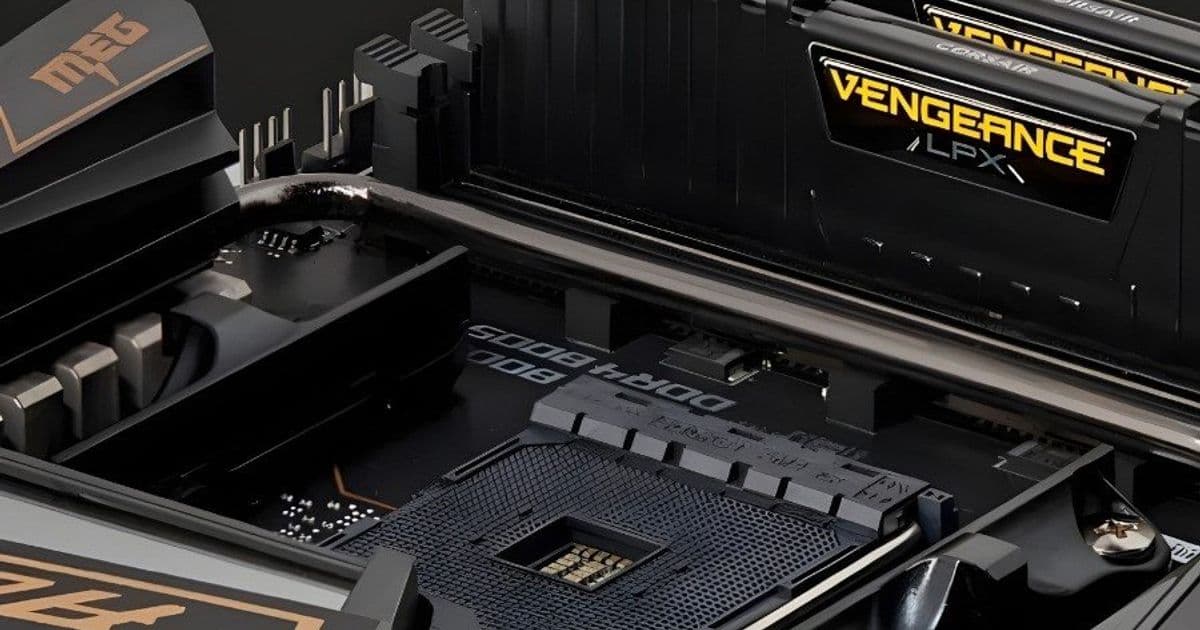
As DDR5 prices breach $1,000 and DDR4 costs remain volatile, PC builders are increasingly turning to DDR3 motherboards - with sales tripling as budget-conscious users seek affordable alternatives.
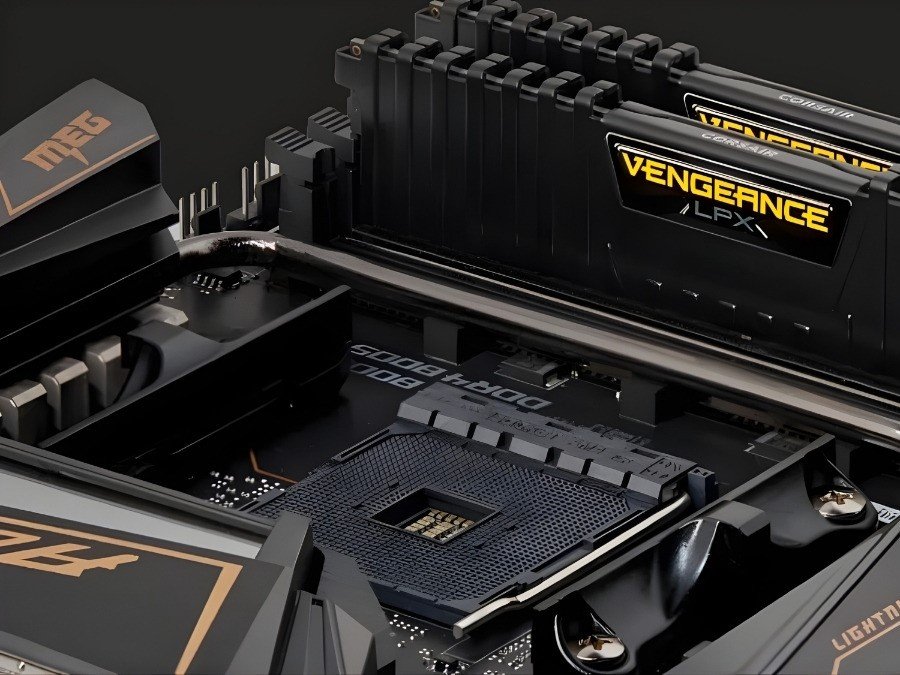
The memory market is experiencing unprecedented turbulence, with DDR5 RAM kits that sold for a few hundred dollars last year now commanding prices exceeding $1,000. This dramatic price surge has created a ripple effect across the PC building ecosystem. According to industry reports from Board Channels, motherboard vendors in China are witnessing DDR3 motherboard sales volumes three times higher than pre-crisis levels, signaling a significant market shift.
DDR4, once considered the budget-friendly alternative, offers little relief with prices remaining unstable and substantially elevated compared to historical norms. In contrast, DDR3 components remain widely available at prices averaging 60-70% lower than DDR4 equivalents. This price differential has made DDR3 platforms the most economically viable option for many builders, particularly when purchased in bundled configurations with Intel's 6th to 9th generation processors.
The practical implications for PC builders are clear: A complete DDR5-based system with 32GB RAM and mid-range components now costs approximately $1,200 just for the memory and compatible motherboard. Meanwhile, an equivalent DDR3 build with 32GB RAM can be assembled for under $300 when combining used or surplus components. For budget-focused gamers or productivity users who don't require cutting-edge performance, this represents substantial savings.
However, this resurgence comes with significant trade-offs. DDR3 platforms cap performance at Intel's 9th generation processors (like the i9-9900K), which deliver about 60% of the multi-core performance of current-generation CPUs. They also lack support for PCIe 4.0/5.0 interfaces, Thunderbolt connectivity, and modern power efficiency features. For users requiring hardware acceleration for AI workloads or high-FPS gaming at 1440p or above, DDR3 platforms present clear limitations.
Industry forecasts suggest this memory crisis may extend through at least 2028 according to SK Hynix, with some analysts predicting constraints until 2031. With projected price increases of 45% through 2026, DDR3's role as a budget alternative appears secure for the foreseeable future. For PC builders prioritizing cost-efficiency over bleeding-edge performance, these older platforms offer a pragmatic solution in an increasingly expensive component market.
Comments
Please log in or register to join the discussion