
A barebones wellness-check app built by three recent graduates has ignited a national conversation about solitary death prevention in China, while revealing how quickly a simple solution can scale when it hits a raw societal nerve.
A mobile app called Dead or Alive has exploded across Chinese social media, not because of sophisticated features, but because it addresses a fear that's becoming increasingly common in China's urban centers: dying alone and remaining undiscovered.
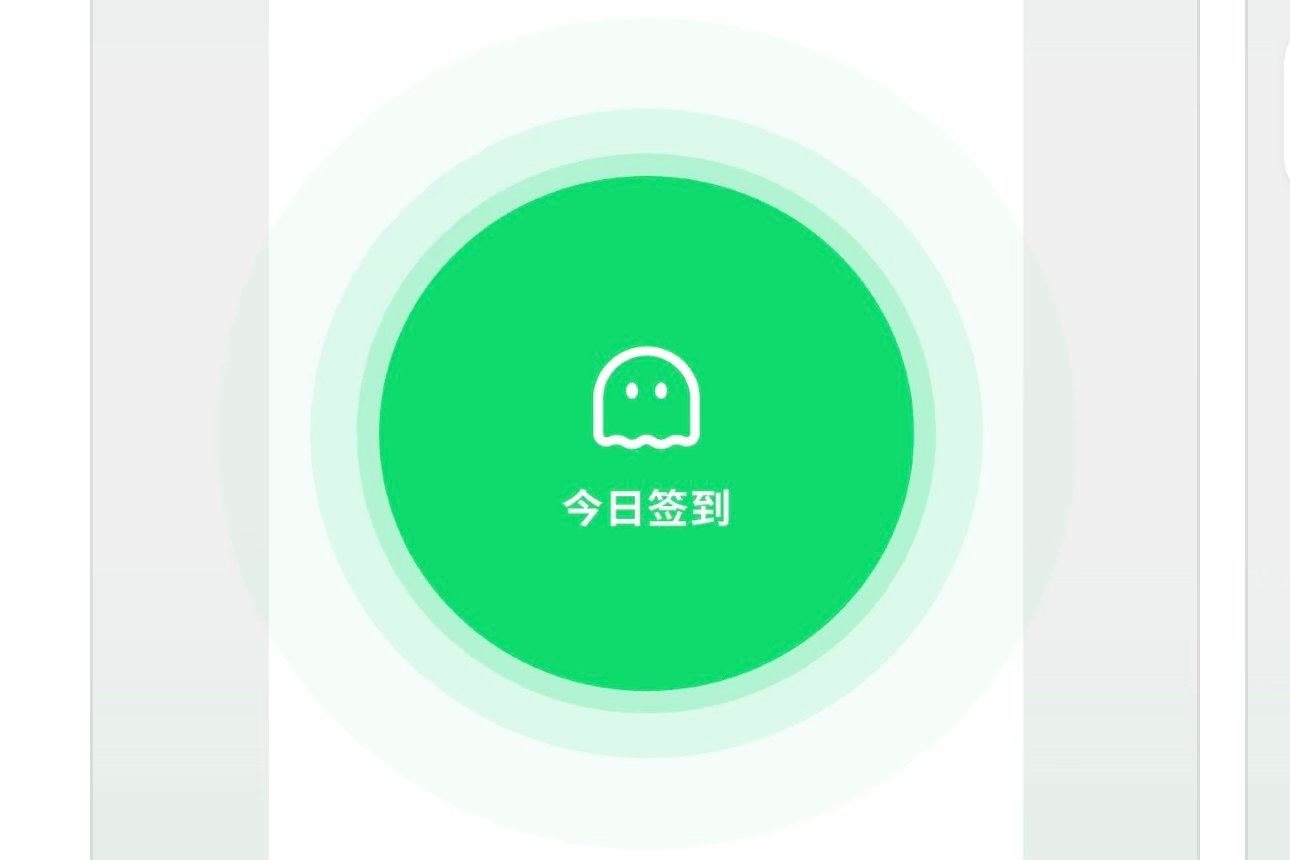
Built by three programmers born after 1995 in just under a month for slightly over 1,000 yuan ($140), the app operates on a brutally simple premise. Users must check in daily. Miss two consecutive days, and the system automatically emails a designated emergency contact. That's it. No AI, no complex algorithms, no wellness coaching—just a digital tripwire for the worst-case scenario.
The numbers tell the story of how deeply this resonates. After gaining traction on Weibo, downloads surged more than 100-fold, forcing the small team to scramble for additional server capacity. They quickly added SMS notifications as a premium feature, and the app has already become profitable. Now the founders are looking to sell 10% of the company for one million yuan ($140,000) to fuel expansion.
What makes this story remarkable isn't the technology—it's the cultural context. China's one-child policy, combined with delayed marriage and urbanization, has created a generation of young professionals living far from family in cities where they have few local support systems. The app's name, intentionally confrontational, forces users to acknowledge a reality many prefer to ignore.
The developers defend the blunt branding as necessary medicine. By calling it Dead or Alive, they're stripping away the euphemisms that surround personal safety and demanding honest recognition of vulnerability. The controversy around the name has only amplified awareness of the underlying problem.
From a technical standpoint, the app is almost insultingly simple. It's essentially a cron job with a database and email integration. But that simplicity is precisely what makes it work. Complex solutions fail because they require sustained engagement and behavioral change. Dead or Alive works because it taps into a primal fear and requires minimal effort to maintain.
The app's profitability from day one reveals something important about the startup ecosystem: sometimes the most valuable solutions aren't the most sophisticated. The team spent virtually nothing on development, yet created something that resonates so powerfully it broke their infrastructure. They're now positioned to capture value not through venture capital, but through direct revenue and equity sale.
This raises questions about the startup playbook. While most young founders chase AI disruption or platform plays, these three built a single-purpose tool that solves one specific, emotionally charged problem. The app's success suggests that in a market saturated with complex solutions, there's untapped value in addressing basic human needs with minimal friction.
The broader implications extend beyond personal safety apps. Dead or Alive demonstrates how quickly social media can amplify solutions that touch raw societal anxieties. It also highlights a gap in China's social infrastructure: the absence of systematic support for solitary urban dwellers. While Japan has long grappled with kodokushi (solitary deaths), China is only now confronting how its rapid urbanization and changing family structures create similar risks.
The app's viral growth pattern follows a familiar script: simple concept, emotional resonance, social sharing, infrastructure stress, then monetization. But unlike many viral apps that fade once the novelty wears off, Dead or Alive has a built-in retention mechanism. Users who set up their emergency contact have a practical reason to keep using it.
Whether the app can sustain its momentum depends on how it navigates the inevitable feature creep. The temptation to add more capabilities—health tracking, AI predictions, social features—could dilute the elegant simplicity that made it work. The team's decision to add SMS notifications suggests they're already expanding, which may be necessary for revenue but risks complicating the user experience.
The app also raises ethical questions about data responsibility. Who has access to check-in data? What happens if the system fails and someone isn't alerted? The developers haven't publicly addressed these concerns, and their rapid scaling may outpace their ability to establish proper safeguards.
For now, Dead or Alive serves as both practical tool and cultural artifact. It proves that in an age of AI hype and platform monopolies, there's still room for small teams to build meaningful products that address real human needs. Sometimes the most disruptive technology isn't a complex algorithm—it's a simple reminder that life is fragile, and that checking in matters.
The app's success may ultimately be measured not by download numbers or valuation, but by whether it actually saves lives. But even if it never prevents a single tragedy, it has already accomplished something: forcing millions of Chinese urbanites to confront their isolation and consider who would notice if they disappeared.
Comments
Please log in or register to join the discussion