
The yen and won's slide against the dollar is significantly increasing operational costs for professional football clubs in Japan and South Korea, forcing strategic reassessments of player acquisition and financial planning.
Professional football clubs in Japan and South Korea face mounting financial pressure as currency depreciation drives up the cost of international player contracts and transfers. With both the yen and won sliding approximately 15% against the US dollar over the past year, clubs paying foreign players in USD or EUR face significantly higher expenses when converting local currency.
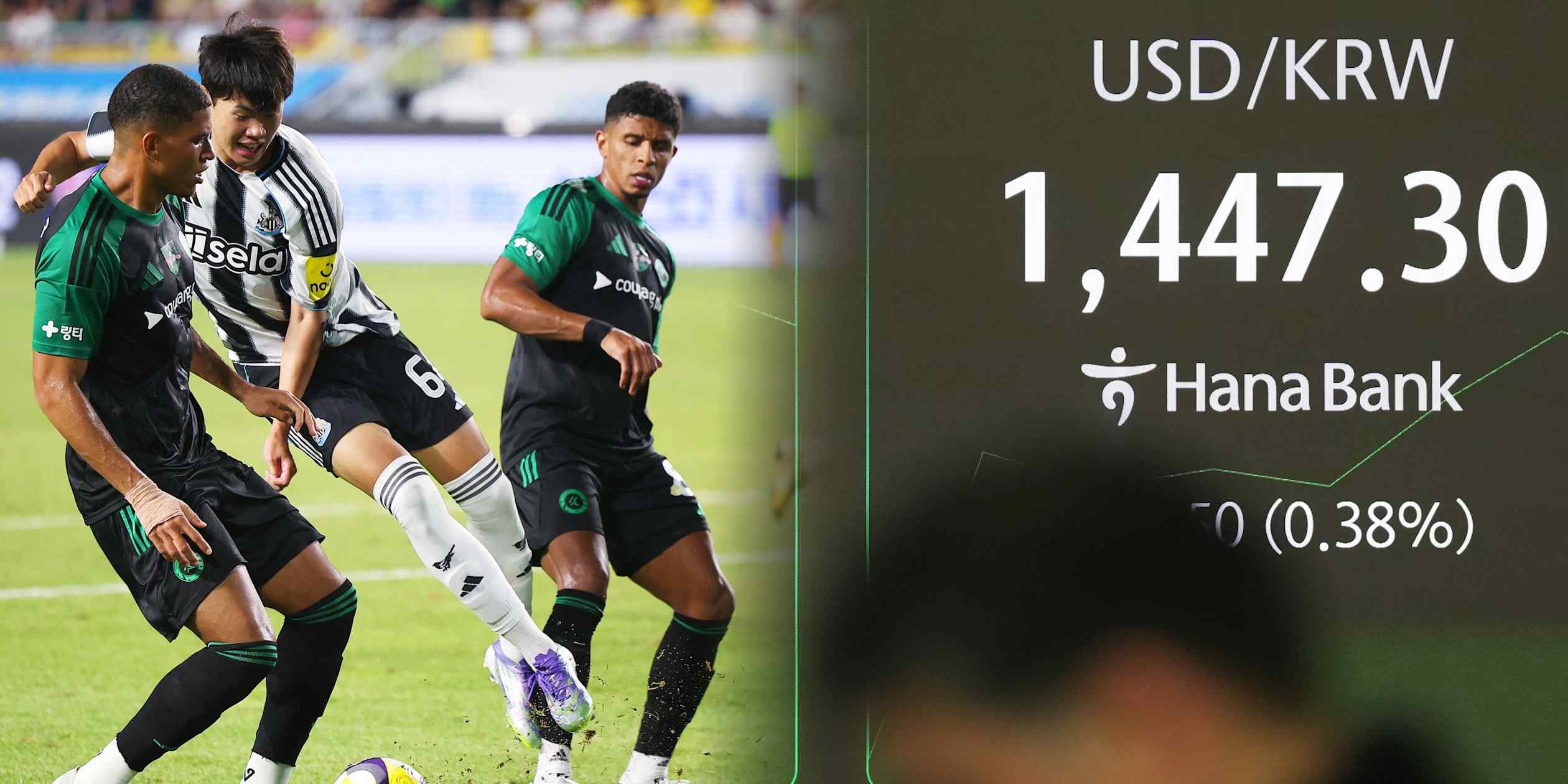
The currency impact is particularly acute in player markets. South Korea's K League clubs typically allocate 30-50% of their budgets to foreign players, whose contracts are predominantly dollar-denominated. For example, a $500,000 annual salary now costs a K League club approximately 700 million won, up from 600 million won just 12 months ago. Similarly in Japan's J.League, clubs report a 20% increase in effective player costs despite unchanged contract values.
This currency squeeze arrives amid intensifying competition for talent across Asia. Saudi Arabian clubs' aggressive spending has inflated regional transfer markets, while Chinese Super League teams continue offering premium wages. Japanese and Korean clubs now face difficult choices: absorb higher costs that threaten profitability, reduce international recruitment, or seek alternative talent development strategies.
Several clubs are responding with structural adjustments. Some J.League organizations are renegotiating contracts to include currency fluctuation clauses, while others are shifting focus toward domestic youth academies. Financial analysts note that clubs with strong corporate backing—like Ulsan Hyundai (Hyundai) and Kawasaki Frontale (Fujitsu)—appear better positioned to weather the storm through sponsor support.
The situation highlights football's vulnerability to macroeconomic shifts. Unlike European leagues with lucrative broadcasting deals insulating them from currency risks, Asian clubs rely more heavily on local sponsorships and ticket sales denominated in domestic currency. With central banks forecasting continued volatility, clubs may increasingly turn to financial hedging instruments while reevaluating long-term recruitment models.
This financial strain could accelerate existing trends toward data-driven player recruitment. Clubs like Suwon Bluewings and Yokohama F. Marinos already utilize advanced analytics platforms to identify undervalued talent, a strategy that may gain prominence as budgets tighten. The coming transfer windows will test whether Japanese and Korean clubs can maintain continental competitiveness amid these unprecedented currency challenges.
Comments
Please log in or register to join the discussion