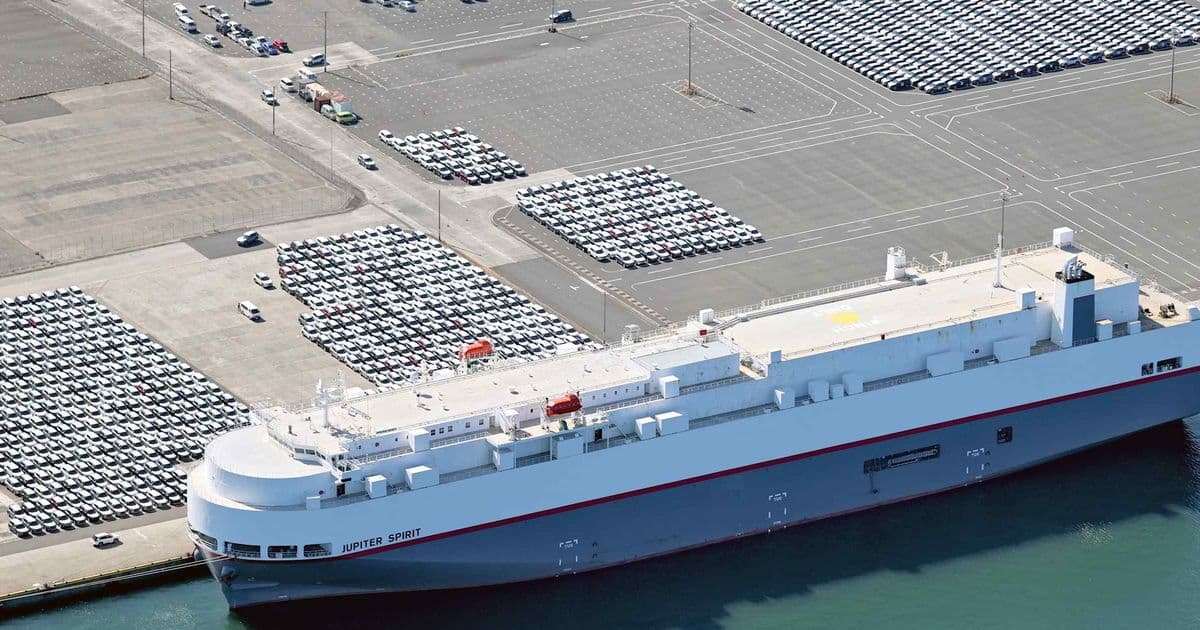
Japan's automotive industry faces significant challenges as exports to the war-affected Middle East region plummet in April 2026, with car shipments to the area representing 13% of Japan's total overseas vehicle exports by value.
Japan's major exports to the war-hit Middle East, including automobiles and steel pipes, experienced dramatic declines in April 2026, reflecting the deepening impact of regional conflict on international trade relationships. According to trade statistics released by Japan's Finance Ministry, the automotive sector, which accounts for approximately 13% of Japan's total overseas vehicle exports by value, has been particularly affected by the deteriorating conditions in the Middle East.
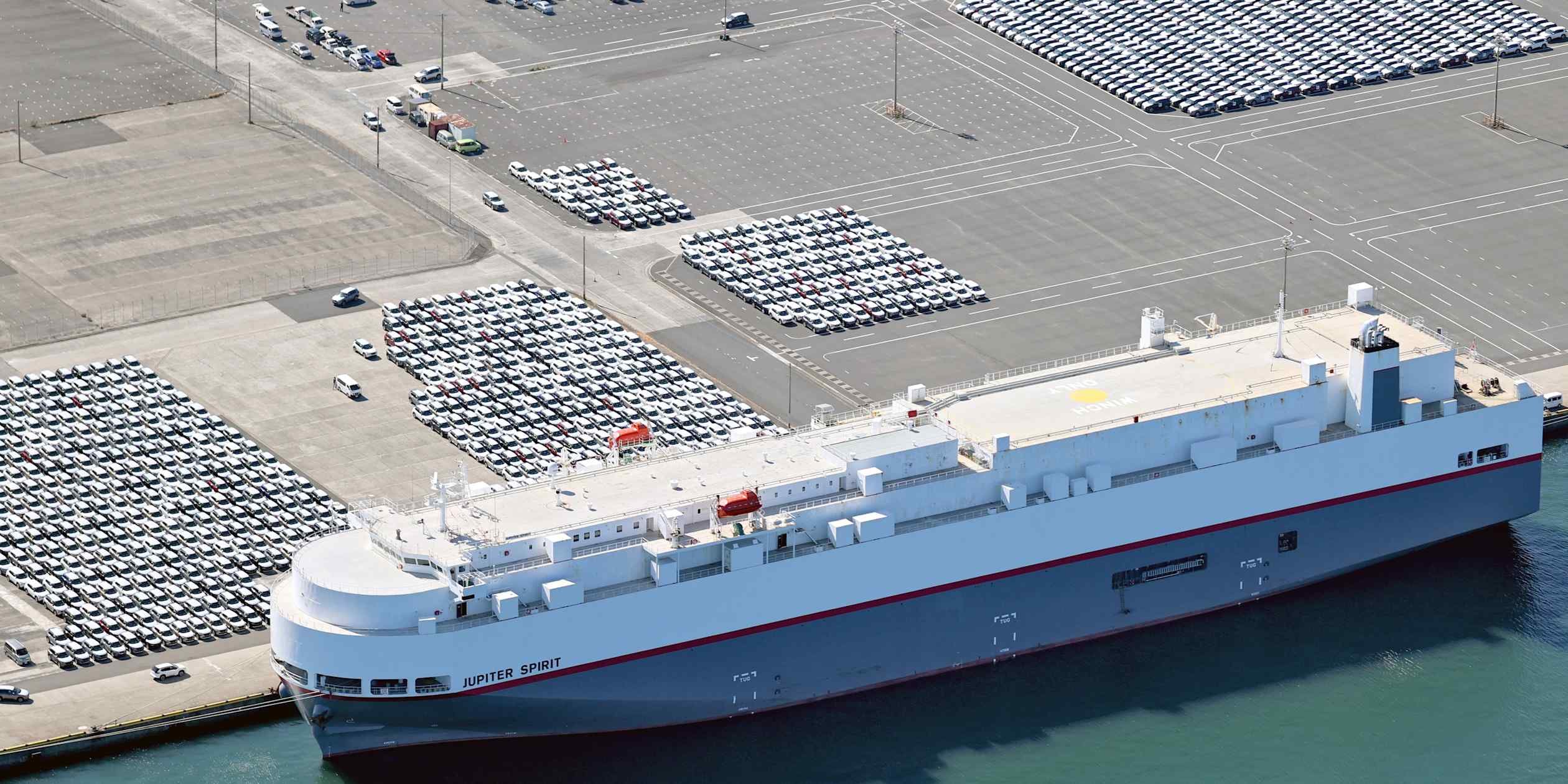
The decline in Japanese car exports to the Middle East represents a significant economic challenge for Japan's manufacturing sector. The region has traditionally been a crucial market for Japanese automakers, with demand driven by oil wealth and infrastructure development projects that have been disrupted by ongoing conflicts. April's data shows a marked decrease not only in vehicle exports but also in related industrial products like steel pipes, which are essential for construction projects across the region.
"The Middle East has been a strategic market for Japanese automotive manufacturers for decades," said Hiroshi Tanaka, an analyst at the Japan External Trade Organization. "The current situation creates uncertainty for long-term investment plans and may force companies to reassess their production and distribution strategies in the region."
Parallel to the export decline, Japan's imports from the Middle East have also fallen sharply, with naphtha imports experiencing a significant reduction. This trend aligns with the reported record low in Japan's oil imports from the region, indicating a broader economic decoupling that extends beyond the automotive sector. The decline in imports suggests that Japanese businesses are either finding alternative suppliers or reducing consumption due to economic uncertainty.
The trade disruption comes at a challenging time for Japan's economy, which has been working to recover from previous global supply chain disruptions. The automotive industry, a cornerstone of Japan's manufacturing sector, may need to pivot its focus to other markets to offset the losses in the Middle East.
India has emerged as a notable counterpoint to the Middle East decline, with Japanese imports from India trebling during the same period. This shift highlights the potential for Japan to strengthen trade relationships with alternative markets as geopolitical tensions continue to reshape global trade patterns.
Industry experts suggest that Japanese automotive manufacturers may accelerate their diversification strategies, potentially increasing investment in Southeast Asian markets and other regions less affected by the current geopolitical tensions. The situation may also prompt Japanese companies to reevaluate their supply chain resilience, potentially leading to increased localization of production in key markets.
"The current market conditions serve as a catalyst for Japanese businesses to reassess their global footprint," said Eriko Suzuki, professor of international economics at Tokyo University. "While the short-term impact is challenging, this could ultimately lead to more diversified and resilient trade relationships for Japan in the long run."
As the conflict in the Middle East continues, Japan's automotive sector faces the dual challenge of managing immediate export declines while strategically positioning itself for future market recovery. The coming months will likely reveal how effectively Japanese manufacturers can adapt to this evolving trade landscape and whether the current downturn represents a temporary setback or a permanent shift in global trade dynamics.
Comments
Please log in or register to join the discussion