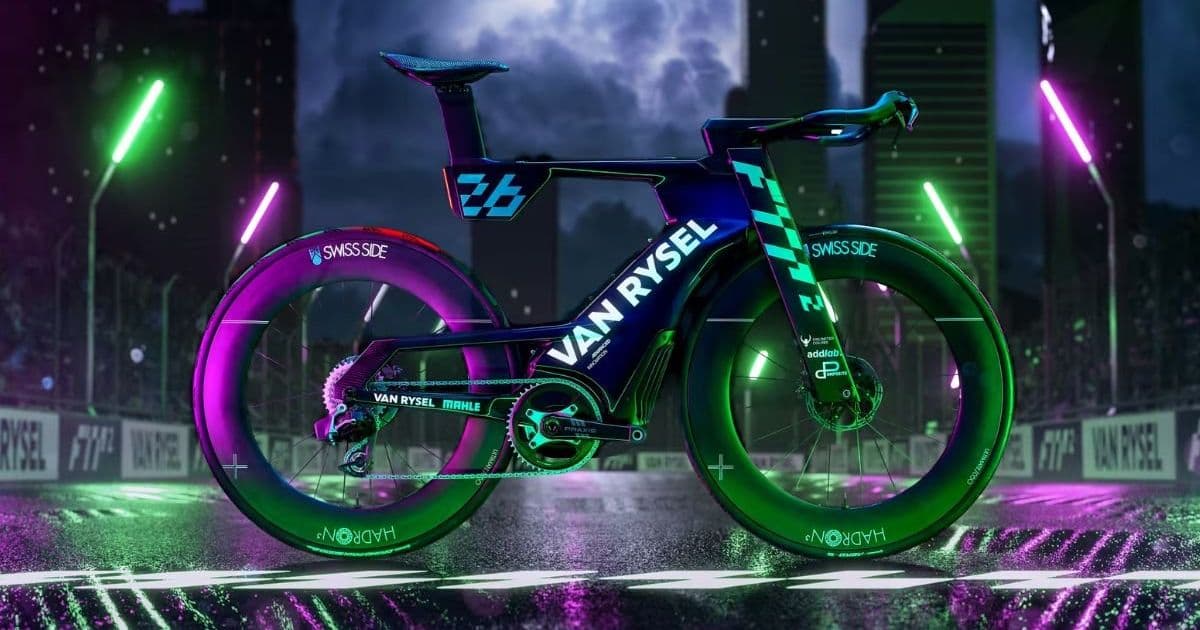
Decathlon's new Van Rysel FTP² e-bike concept, unveiled at Velofollies 2026, features a Mahle M40 mountain bike motor adapted for road use, delivering 850W peak power and 105 Nm torque. The carbon fiber frame integrates the motor and battery, aiming for a lightweight 15 kg build with aerodynamic features like a two-part fork and micrometric shoe tightening.
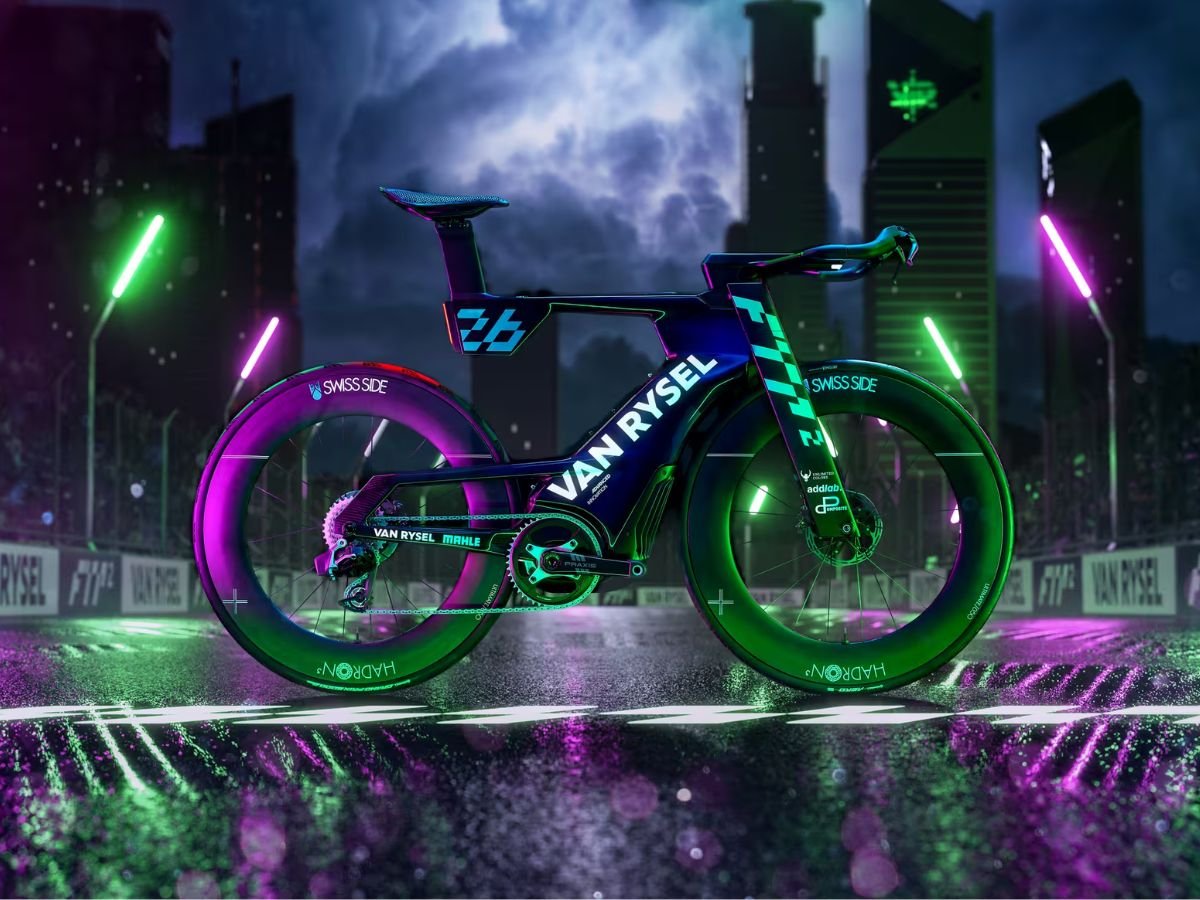
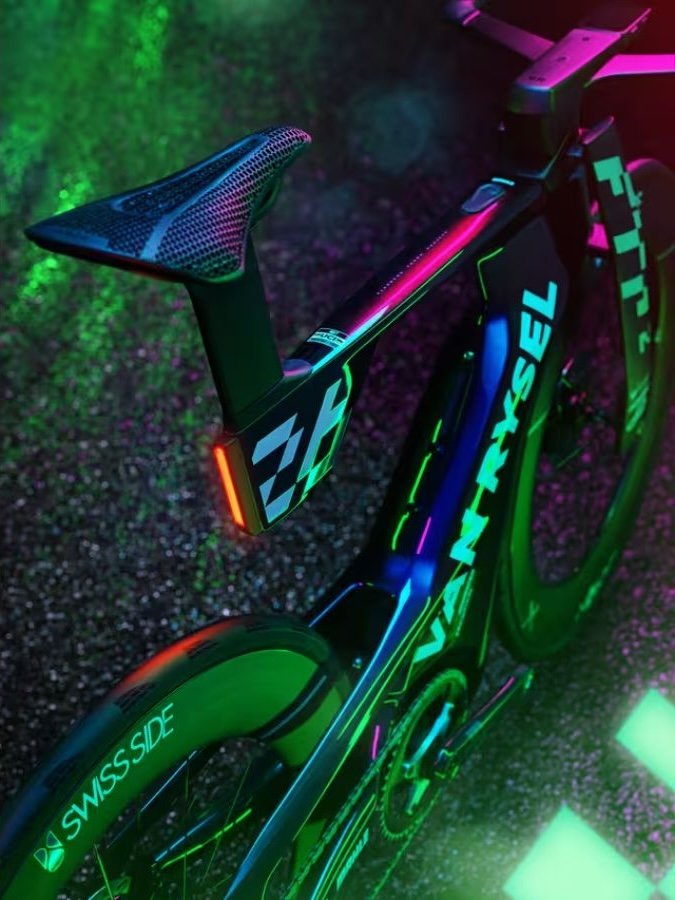
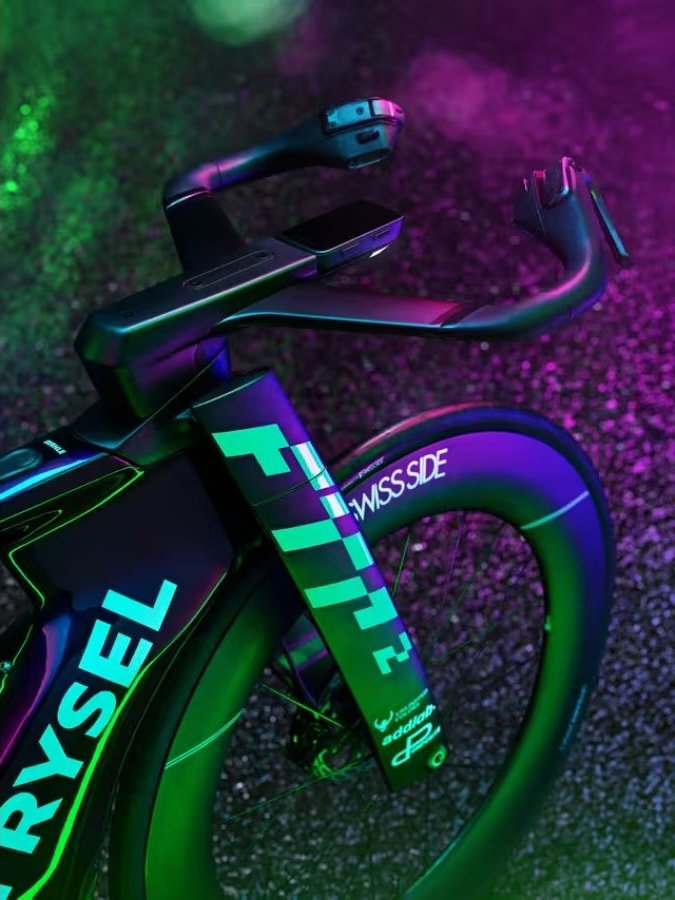
Decathlon has unveiled a new Van Rysel e-bike concept: the FTP². The model debuted at the Velofollies event in Belgium in mid-January 2026. According to the brand, the electric road bike’s name is a nod to its ability to double the rider’s Functional Threshold Power (FTP). The Van Rysel FTP² is powered by a Mahle M40 engine, which was originally designed for mountain biking, with 850W peak power and 105 Nm torque. Other listed features include an SRAM Red AXS/ Praxis carbon crank drive train, Swiss Side Hardon3 850 wheel and a Fizik Argo Vento 00 Adaptive saddle. Between the Van Rysel FTP²’s handlebars is a cockpit, where the rider can adjust gears and assistance modes. There is also a micrometric shoe tightening feature, meaning you do not have to let go of the bars to make this adjustment. The carbon fibre frame and an aerodynamically optimized design, including a more unusual two-part fork. Plus, both the motor and battery are said to “disappear into the frame”. This is a relatively lightweight model, with the medium-sized e-bike weighing around 15 kg (~33.1 lbs). It remains to be seen when new Decathlon Van Rysel e-bikes inspired by the FTP² concept will be released, and at what price.
What's New: The FTP² Concept
The Van Rysel FTP² represents Decathlon's push into high-performance electric road cycling. Unlike many e-bikes that use motors designed for commuting or urban use, this concept adapts a mountain bike motor for road applications. The Mahle M40 motor, originally engineered for off-road conditions, delivers substantial torque (105 Nm) and peak power (850W) to assist road cyclists during climbs and sprints. This motor choice is significant because mountain bike motors prioritize torque over top speed, which aligns with road cycling needs where sustained power output matters more than high-speed cruising.
The bike's name directly references Functional Threshold Power (FTP)—the maximum power a cyclist can sustain for about an hour. Decathlon claims the FTP² can effectively double a rider's FTP, meaning a cyclist who can normally output 200 watts could sustain 400 watts with assistance. This isn't just marketing; the motor's power output and torque curve are designed to provide meaningful assistance without overwhelming the rider's natural pedaling rhythm.
Integrated Design and Weight Considerations
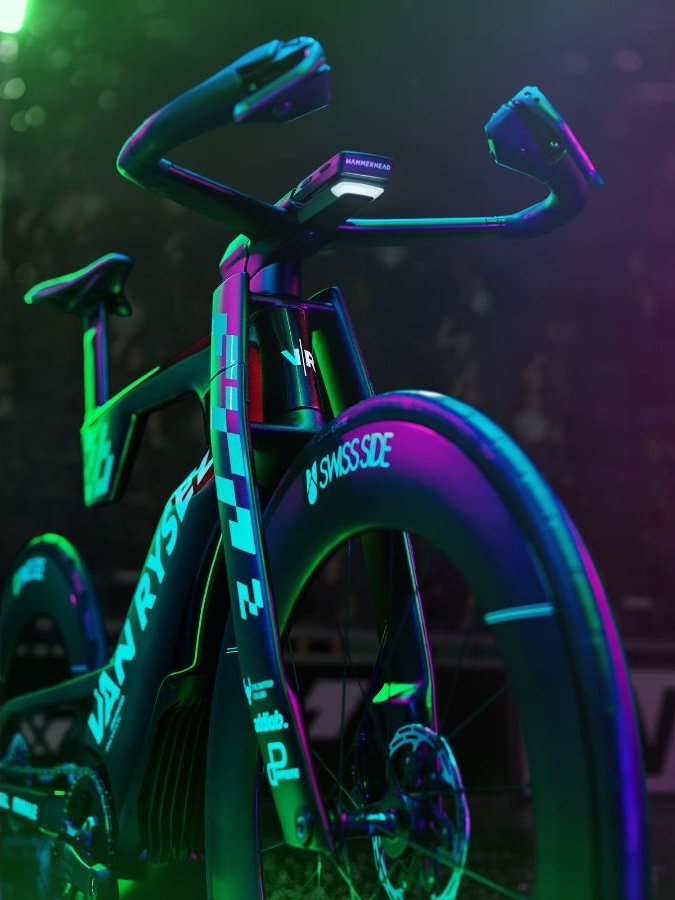
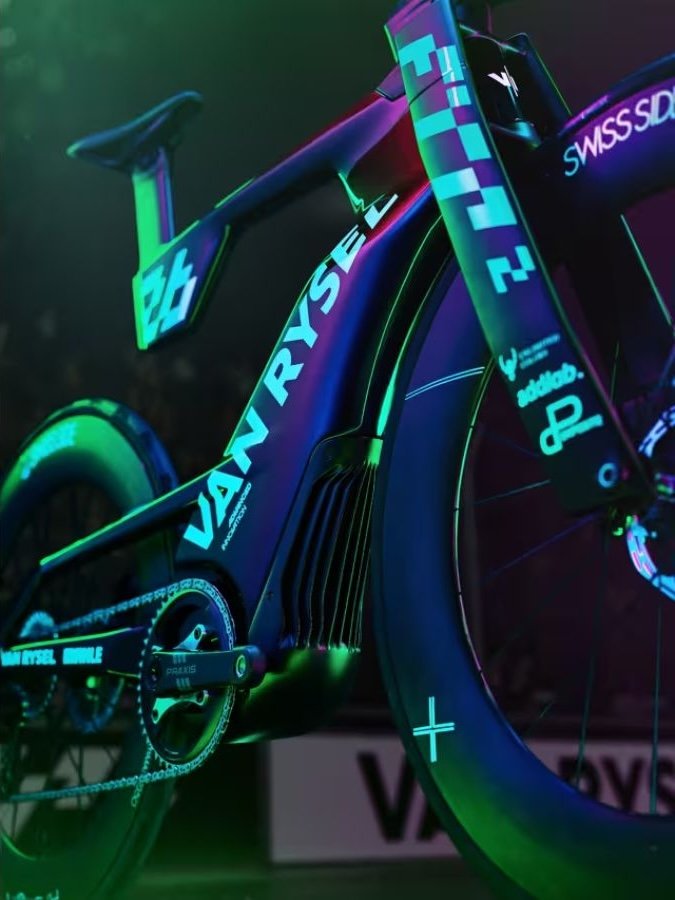
One of the FTP²'s most notable engineering achievements is its weight. At approximately 15 kg for a medium frame, it's remarkably light for an e-bike with this level of motor power. Most e-road bikes weigh between 12-18 kg, but those typically use smaller motors with less torque. The FTP² achieves this through a carbon fiber frame that fully integrates both the motor and battery, eliminating the bulky external mounting points common on many e-bikes.
The two-part fork design is particularly unusual. Traditional forks are single castings, but a split design could allow for better aerodynamics or easier maintenance. This suggests Decathlon is prioritizing aerodynamic efficiency alongside the electric assistance, which is critical for road cycling where drag is a major factor at higher speeds.
Component Specification and Practical Features
The component list reveals Decathlon's intent to compete with premium e-road bikes:
SRAM Red AXS/Praxis carbon crank drive train: SRAM Red AXS is a top-tier electronic shifting system, while Praxis carbon cranks are known for stiffness and efficiency. This combination suggests the FTP² is targeting serious cyclists who demand precise, reliable shifting.
Swiss Side Hardon3 850 wheelset: Swiss Side wheels are designed for aerodynamics and low weight, commonly used in time trials and road racing. The 850 designation likely refers to the rim depth, which balances aerodynamic benefits with crosswind stability.
Fizik Argo Vento 00 Adaptive saddle: Fizik's Vento line is their racing-focused series, with the Argo shape designed for aggressive riding positions. The "Adaptive" designation suggests some form of pressure-relief technology.
Micrometric shoe tightening: This integrated feature allows riders to adjust shoe cleat tension without releasing the handlebars—a small but meaningful detail for safety and convenience during rides.
Market Positioning and Competitive Landscape
The FTP² concept positions Decathlon between traditional road bikes and dedicated e-road offerings from brands like Specialized (Creo), Trek (Domane+ LT), and Canyon (Grail:ON). These competitors typically use smaller motors (250W-350W) with lower torque, focusing on lightweight integration rather than high power output.
By using a mountain bike motor, Decathlon is taking a different approach: prioritizing power and torque over minimal weight. This could appeal to cyclists who want significant assistance on climbs without sacrificing the feel of a traditional road bike. The 850W peak power is substantially higher than typical road e-bike motors, which usually cap at 250W in Europe due to regulations.
Regulatory Considerations
The 850W peak power raises questions about regulatory compliance. In the European Union, e-bike motors are limited to 250W continuous power with assistance cutting off at 25 km/h (15.5 mph). However, peak power can exceed this limit, and many motors can produce higher short-term output. The FTP² likely operates within these regulations by limiting continuous power output while allowing higher peak power for short bursts.
This approach is similar to how electric cars manage power—delivering more than the rated horsepower for acceleration while maintaining efficiency during cruising. For road cyclists, this means getting extra power when climbing or sprinting while staying within legal limits for regular riding.
What's Missing: Production Timeline and Pricing
Decathlon hasn't announced when production models will arrive or what they'll cost. The Van Rysel brand is Decathlon's performance cycling line, positioned above their entry-level offerings. Current Van Rysel road bikes range from €1,500 to €4,000, but e-bikes typically cost more due to motor and battery components.
Given the premium components and advanced motor integration, a production FTP² could likely cost between €5,000 and €8,000. This would place it in competition with high-end e-road bikes from established brands, though potentially at a more accessible price point given Decathlon's direct-to-consumer model.
Technical Implications for Road Cycling
The FTP² concept highlights an emerging trend in e-road bikes: using more powerful motors adapted from other cycling disciplines. Mountain bike motors are designed for low-speed, high-torque situations—exactly what road cyclists need for climbing. By adapting this technology, Decathlon is addressing a key limitation of current e-road bikes: insufficient assistance on steep gradients.
The integration of the motor and battery into the frame also addresses a common complaint about e-bikes: their aesthetic and handling differences from traditional bikes. A fully integrated system maintains the visual lines and weight distribution of a conventional road bike, which matters to performance-oriented cyclists.
Practical Considerations for Potential Buyers
For cyclists considering an e-road bike, the FTP² concept raises several practical questions:
Range: With a more powerful motor, battery life becomes critical. While not specified, a 500Wh battery (typical for this category) would provide approximately 50-80 km of assisted riding depending on terrain and assistance level.
Maintenance: The integrated design could complicate repairs. Mountain bike motors are generally robust, but servicing an integrated system may require specialized tools and knowledge.
Ride feel: A 105 Nm torque motor provides substantial assistance, which could feel unnatural if not properly tuned. The success of the FTP² will depend on how well the motor's power delivery matches the rider's input.
Regulatory compliance: As mentioned, the 850W peak power must operate within local regulations. Riders should verify that the production model meets their region's e-bike laws.
Conclusion
The Van Rysel FTP² concept demonstrates Decathlon's serious commitment to high-performance e-cycling. By adapting mountain bike motor technology for road use and integrating it into a lightweight carbon frame, they're addressing key limitations of current e-road bikes. The combination of substantial power, premium components, and integrated design could make it a compelling option for cyclists seeking meaningful assistance without sacrificing the road cycling experience.
However, the concept's success will depend on execution: motor tuning, battery integration, and final pricing. As with any concept bike, the production version may see adjustments to meet regulatory requirements and cost targets. For now, the FTP² serves as an interesting glimpse into the future of performance e-road cycling, where power and integration take priority over minimal weight.
Sources: Van Rysel, Cleanrider, Velofollies 2026 Event Coverage
Comments
Please log in or register to join the discussion