A new open-source Python project called DemandCast is enabling precise hourly electricity demand forecasting worldwide. Developed by the Open Energy Transition team, the platform combines public demand data, weather patterns, and machine learning to support critical energy planning, especially in data-scarce regions.
In an era of accelerating energy transition and grid instability, DemandCast emerges as a powerful open-source solution for one of the industry's most complex challenges: predicting electricity consumption patterns. This Python-based platform, developed by the Open Energy Transition team, provides a comprehensive framework for collecting, processing, and forecasting hourly electricity demand using machine learning—addressing critical gaps in global energy planning infrastructure.
Why Hourly Forecasting Matters
Electricity grids operate on razor-thin margins where supply must precisely match demand. With renewable energy sources introducing greater variability, accurate hourly predictions become essential for:
- Preventing blackouts during demand surges
- Optimizing renewable energy integration
- Reducing reliance on carbon-intensive peaker plants
- Supporting infrastructure planning in developing regions
Inside DemandCast's Architecture
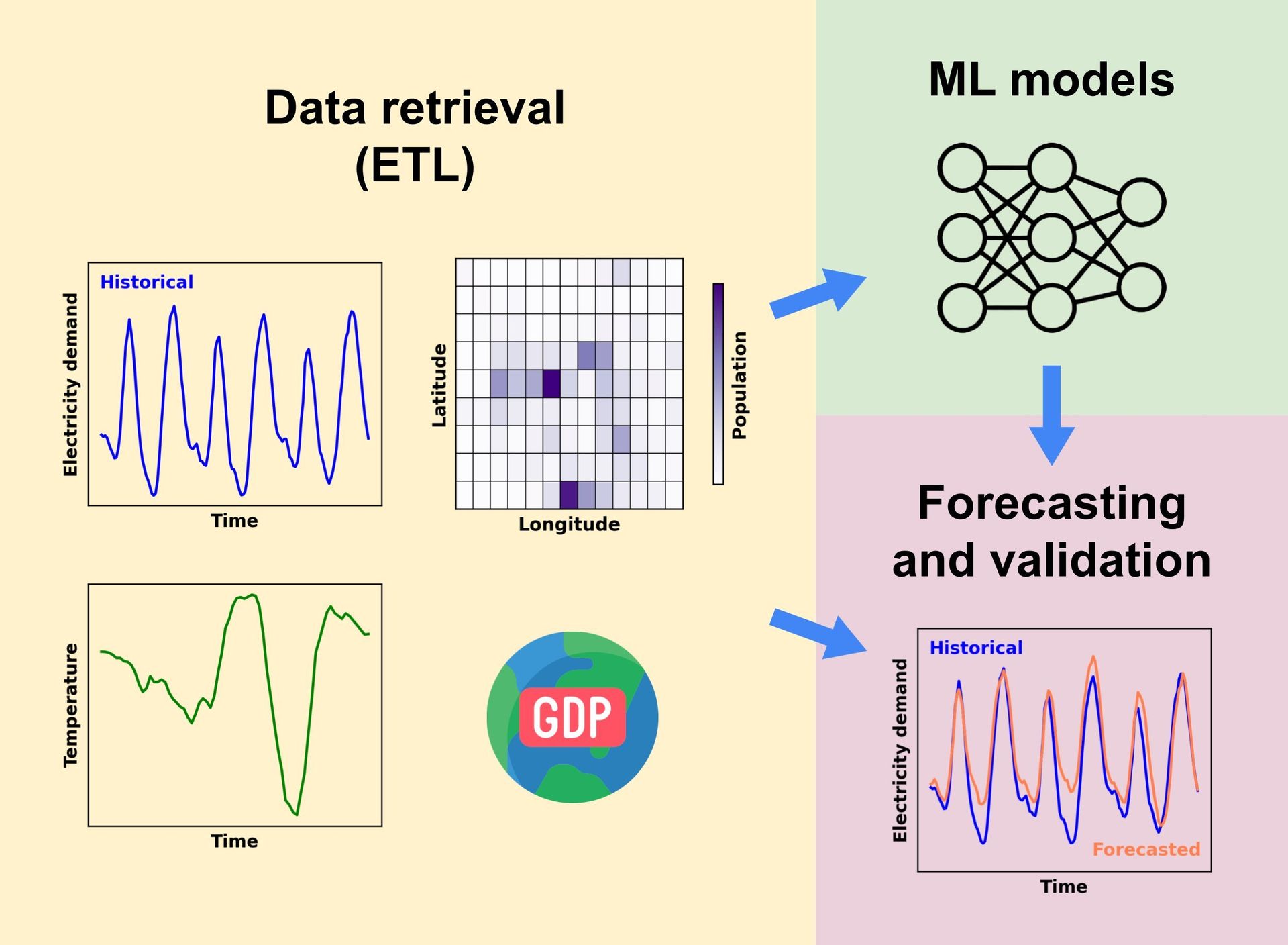
The platform's modular design combines several key components:
demandcast/
├── ETL/          # Data pipelines for demand, weather & socioeconomic factors
├── models/       # ML forecasting algorithms
└── webpage/      # Interactive documentation
Key technical capabilities include:
- Automated Data Ingestion: Retrieves open hourly electricity data from global public sources
- Multi-Factor Analysis: Integrates weather patterns and socioeconomic indicators
- Reproducible Workflows: Containerized development with strict version control
- ML Forecasting: Time-series models predicting demand patterns at sub-national levels
{{IMAGE:3}} Current coverage includes multiple countries and subdivisions with expansion underway
Getting Hands-On with the Tech Stack
DemandCast leverages modern Python tooling:
uvfor dependency managementpytestfor test coveragerufffor lintingmkdocsfor documentation
Developers can quickly contribute or deploy forecasts:
git clone https://github.com/open-energy-transition/demandcast
cd demandcast/ETL
uv sync  # Install dependencies
uv run script.py  # Execute pipelines
The Open Energy Transition Vision
"Our goal is to democratize energy planning capabilities," explains maintainer Kevin Steijn. "By open-sourcing our ETL pipelines and models, we're enabling researchers and grid operators everywhere—especially in regions without established monitoring infrastructure—to make data-driven decisions."
The project actively seeks contributions for:
- Country-specific data connectors
- Enhanced forecasting models
- Documentation and testing improvements
Why This Matters for Tech Professionals
DemandCast represents a significant evolution in energy tech for three reasons:
- Reproducibility Crisis Solution: Containerized workflows address the 'it works on my machine' problem in energy research
- ML Democratization: Provides production-grade templates for time-series forecasting
- Critical Infrastructure: Supports global decarbonization efforts through better grid management
Licensed under AGPL-3.0, DemandCast embodies open-source principles to tackle climate challenges. As energy systems grow more complex, such transparent, collaborative tools become essential for building resilient grids—one hourly forecast at a time.
Source: DemandCast GitHub Repository
Comments
Please log in or register to join the discussion