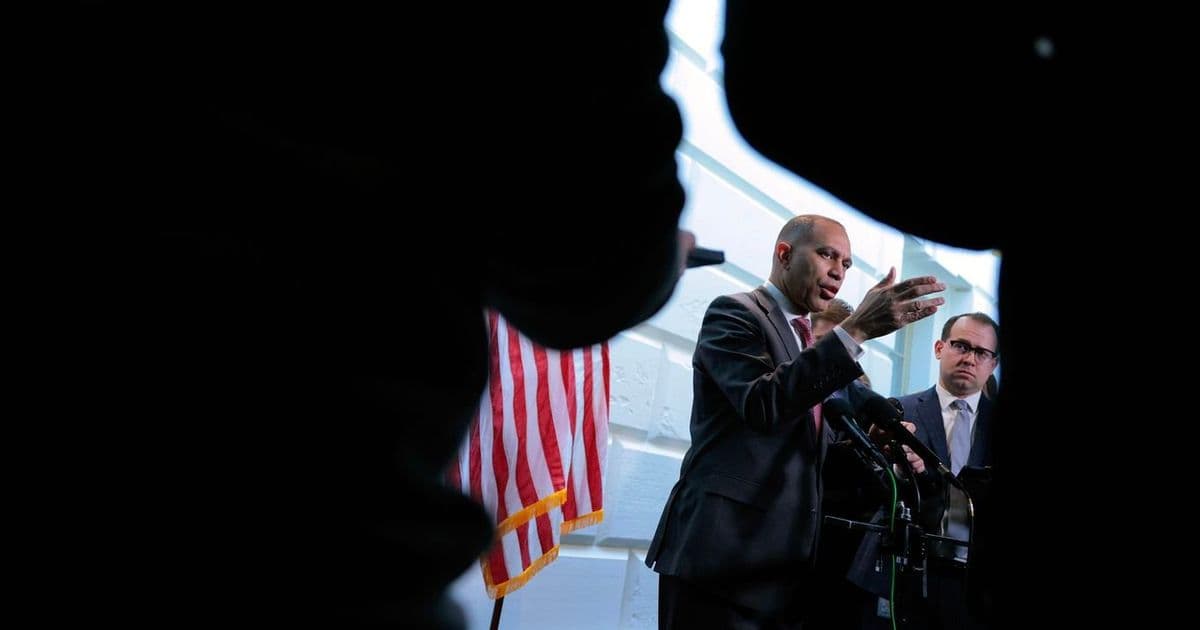
A private Democratic caucus call revealed deep divisions over Homeland Security appropriations, with progressives opposing border security provisions—potentially delaying critical cybersecurity and technology modernization funds.
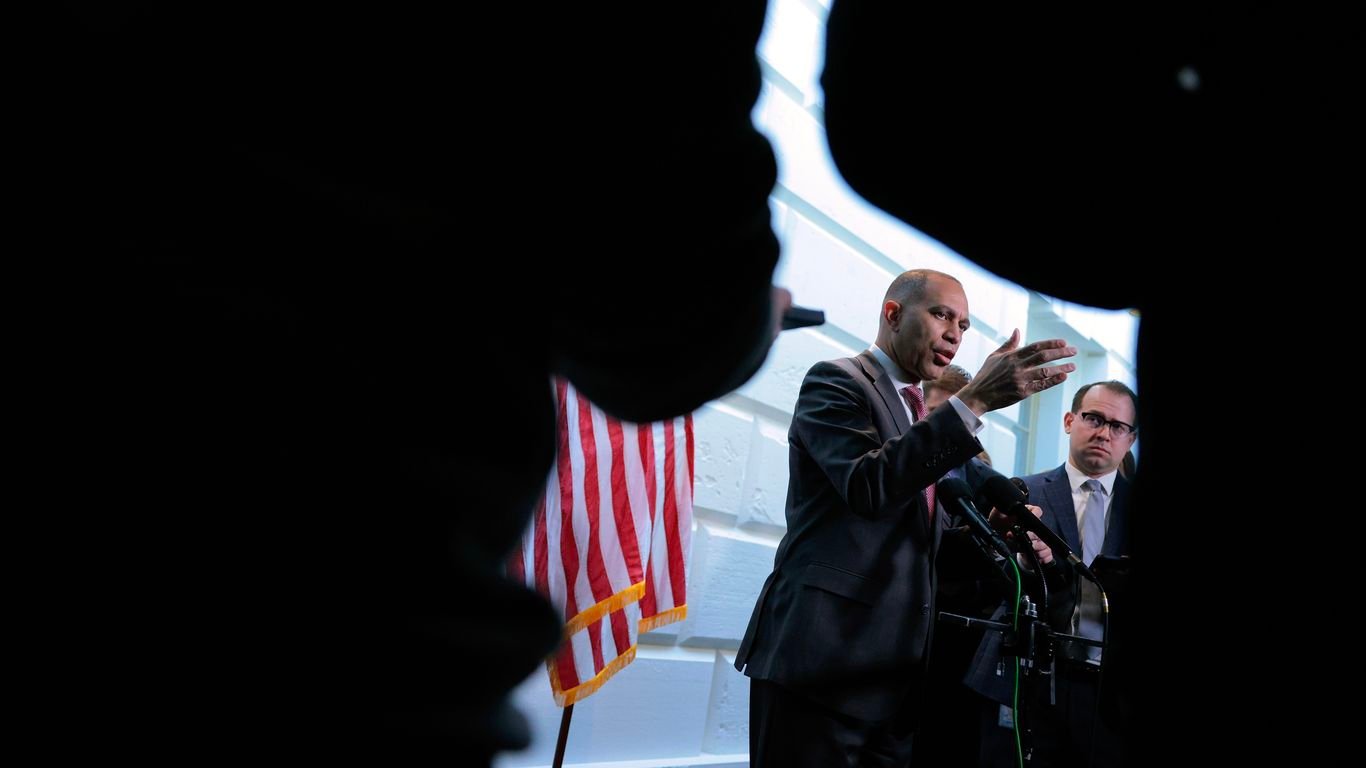
Internal Democratic divisions over Department of Homeland Security funding erupted during a closed-door meeting this week, exposing fractures that could stall critical technology and cybersecurity initiatives. Multiple lawmakers reportedly shouted "Hell no" to provisions in the proposed funding bill, reflecting ideological clashes over border security measures.
Funding Stakes Beyond Borders
While border enforcement dominates public debate, the $61.8 billion DHS appropriations bill funds essential technology programs:
- Cybersecurity: $2.9 billion for CISA's network defense operations and critical infrastructure protection
- Technology Modernization: $226 million for IT system upgrades across immigration, customs, and emergency response platforms
- AI Deployment: Funding for pilot AI programs at TSA for threat detection and FEMA for disaster response optimization
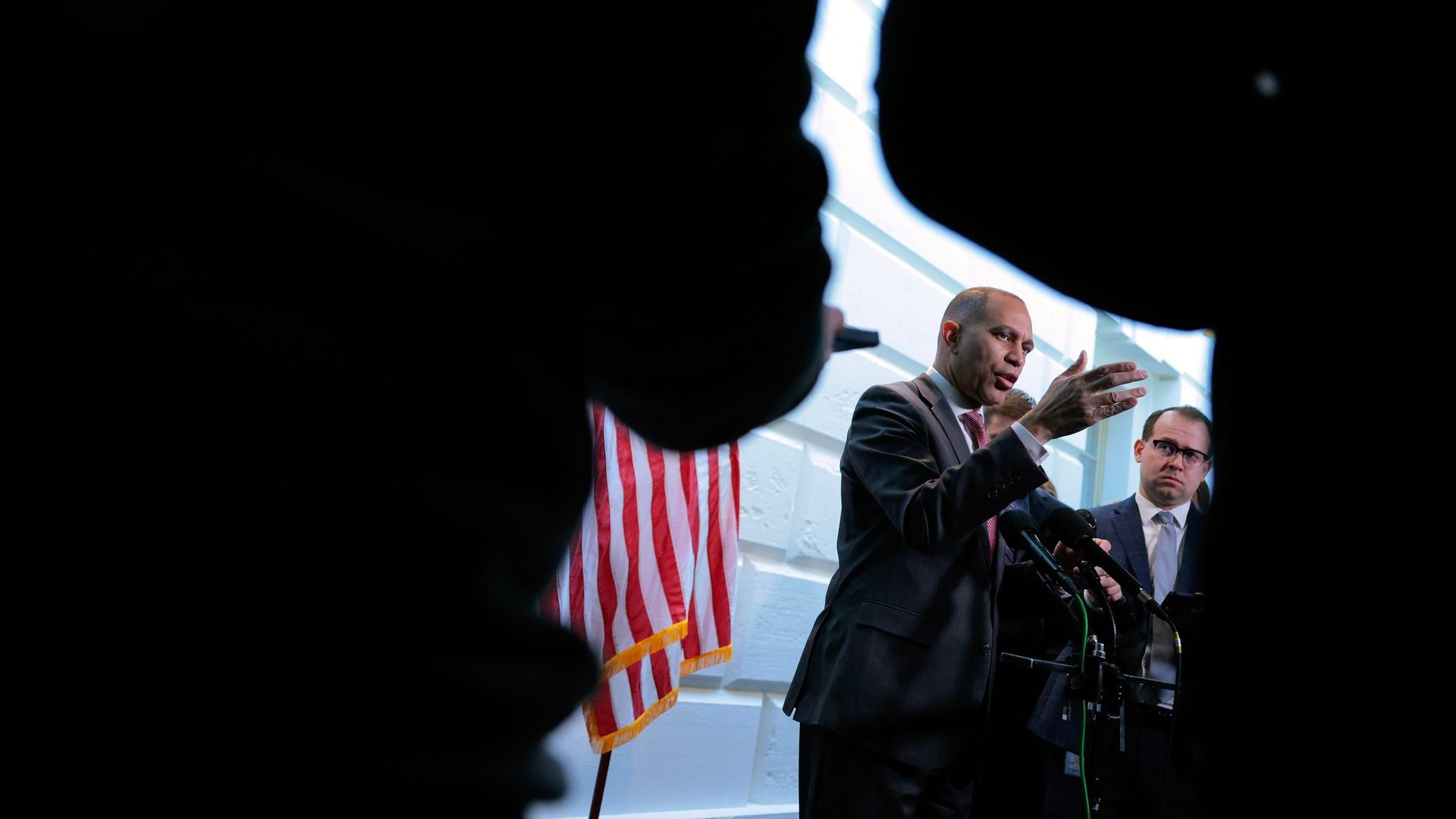 House Minority Leader Hakeem Jeffries faces pressure to reconcile competing Democratic priorities. Photo: Chip Somodevilla/Getty Images
The Core Conflict
Progressive Democrats oppose increased funding for border surveillance technologies and immigration enforcement tools without corresponding immigration policy reforms. This pits them against moderates who argue that withholding funds jeopardizes national security infrastructure projects. The standoff creates three tangible risks:
- Modernization Delays: Deferred IT upgrades at Customs and Border Protection could extend processing system vulnerabilities
- Research Impacts: 15% of DHS R&D funding supports university partnerships in AI and biometrics
- Contractor Uncertainty: Over 200 tech contracts face revision if funding isn't finalized by March 22
Strategic Implications
The deadlock coincides with DHS's planned rollout of its Integrated Operations Initiative—a cloud-based platform linking data analytics across 22 agencies. Delayed funding could postpone its Q3 implementation, creating security gaps during election infrastructure protection efforts. Tech vendors like Palantir and Booz Allen Hamilton have over $1.2 billion in pending DHS task orders contingent on this appropriation.
With government funding set to partially expire on March 8, Democratic leadership must reconcile these divisions within days. The outcome will signal whether technology modernization can transcend polarized border politics—or become collateral damage in intra-party battles.
Comments
Please log in or register to join the discussion