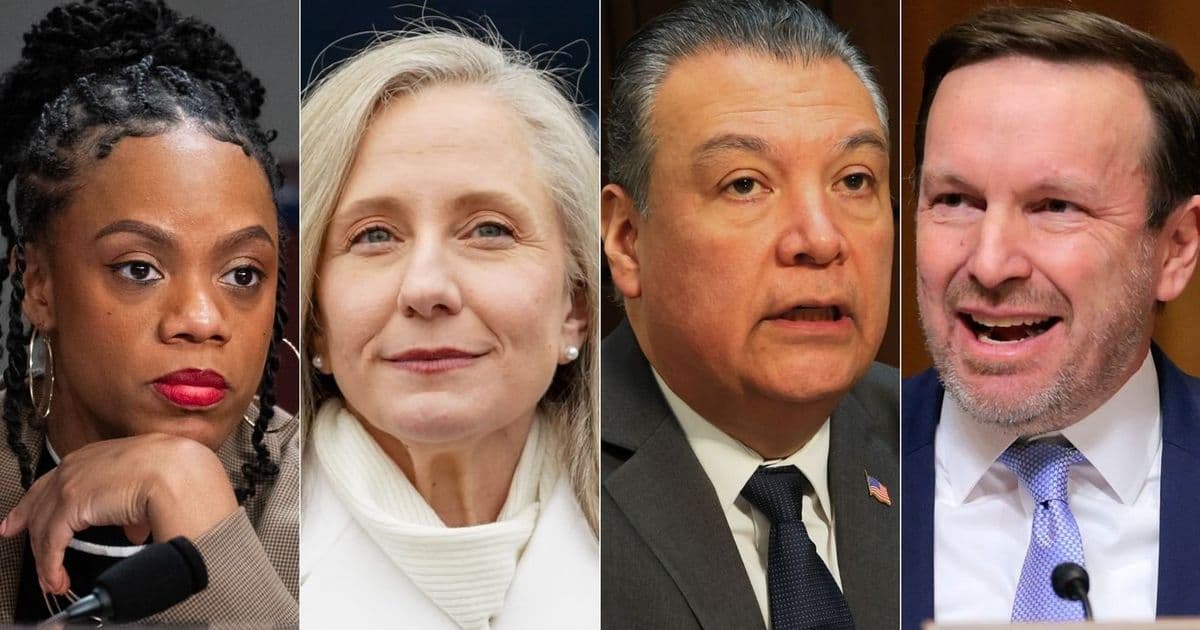
Multiple Democratic lawmakers are delivering competing responses to Trump's State of the Union address, reflecting party divisions and strategic disagreements about messaging.
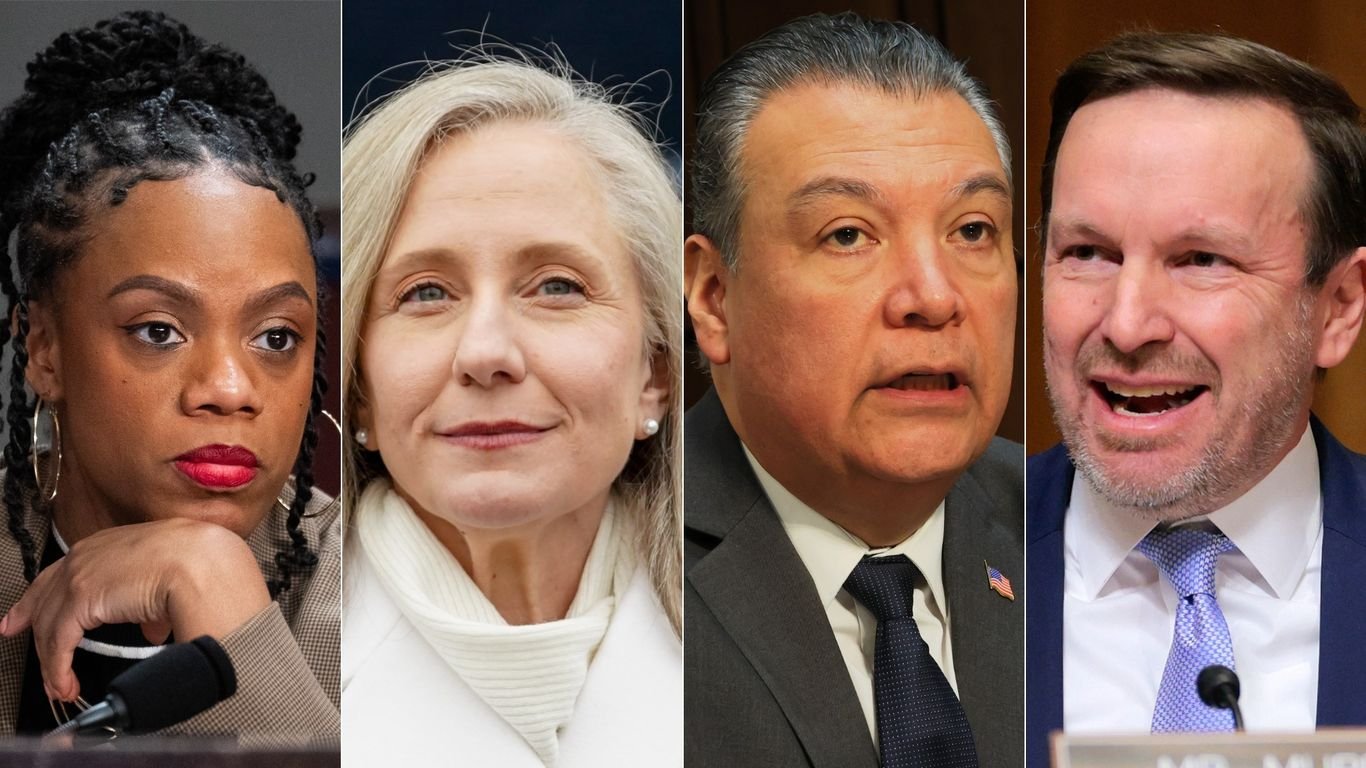
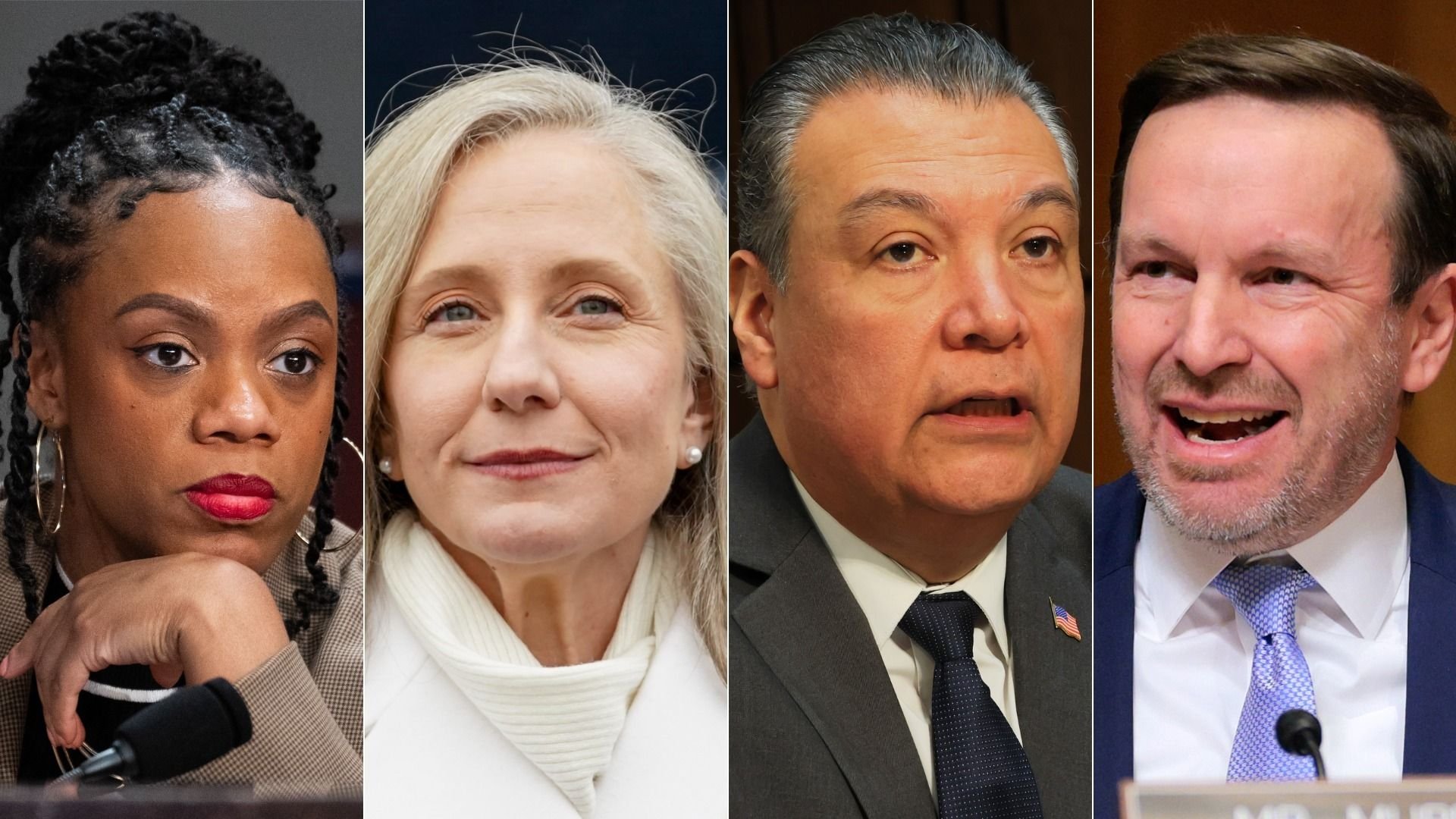
The Democratic Party's response to President Trump's State of the Union address has evolved into a crowded affair, with multiple lawmakers delivering competing messages across various platforms. This fragmentation reflects deeper divisions within the party about how to effectively counter the administration's agenda and communicate with voters.
Traditionally, the opposition party selects a single spokesperson to deliver the official response immediately following the president's address. However, this year's approach has splintered, with several high-profile Democrats taking to television, social media, and digital platforms to present their own perspectives on Trump's policies and vision for America.
Key Players and Platforms
The response landscape includes:
- Senate Minority Leader Chuck Schumer delivering a traditional televised response
- House Minority Leader Nancy Pelosi focusing on economic messaging through digital channels
- Freshman representatives using social media to reach younger demographics
- Progressive caucus members offering alternative viewpoints on key policy issues
This multi-pronged approach represents a significant departure from previous years and suggests strategic disagreements about which messages will resonate most effectively with different voter segments.
Strategic Implications
The crowded response strategy carries both risks and potential benefits:
Risks:
- Diluted messaging that fails to create a cohesive counter-narrative
- Internal party conflicts becoming more visible to the public
- Reduced media coverage for individual responses
- Confusion among voters about the party's core message
Potential Benefits:
- Broader reach across different demographic groups
- Ability to address multiple policy concerns simultaneously
- Showcasing party diversity and range of perspectives
- Testing different messaging approaches for future campaigns
Historical Context
This fragmentation mirrors similar patterns seen during previous administrations when opposition parties struggled to present unified fronts. The 2009 Republican response to President Obama's address featured multiple competing voices, ultimately weakening the party's ability to effectively challenge the administration's agenda.
Media Coverage and Public Reception
Media outlets have struggled to cover the multiple responses effectively, with many focusing on the most prominent speakers while others receive minimal attention. Social media analytics suggest that the fragmented approach has led to lower overall engagement compared to previous years when a single, unified response dominated the conversation.
Policy Focus Areas
The various responses have emphasized different policy priorities:
- Economic inequality and wage stagnation
- Healthcare access and affordability
- Climate change and environmental protection
- Immigration reform and border security
- Education funding and student debt
Looking Ahead
The crowded response strategy may serve as a preview of the Democratic Party's approach heading into the 2020 election cycle. The party appears to be testing various messaging strategies and policy emphases to determine which resonate most strongly with different voter segments.
Political analysts suggest that this approach could either strengthen the party by showcasing its diversity and range of ideas, or weaken it by presenting an image of disunity and internal conflict. The ultimate impact will likely depend on how effectively the party can consolidate these various messages into a coherent platform moving forward.
The coming weeks will be crucial in determining whether this fragmented response strategy proves to be a tactical advantage or a strategic liability for the Democratic Party as it seeks to position itself as a viable alternative to the Trump administration's policies and vision for America.
Comments
Please log in or register to join the discussion