
Senate Democrats are pushing for a congressional vote on war powers following U.S. military strikes on Iranian targets, escalating tensions over executive authority in military operations.
Senate Democrats are demanding a congressional vote on war powers after the United States conducted military strikes on Iranian targets, escalating a constitutional battle over executive authority in military operations.
The Push for Congressional Oversight
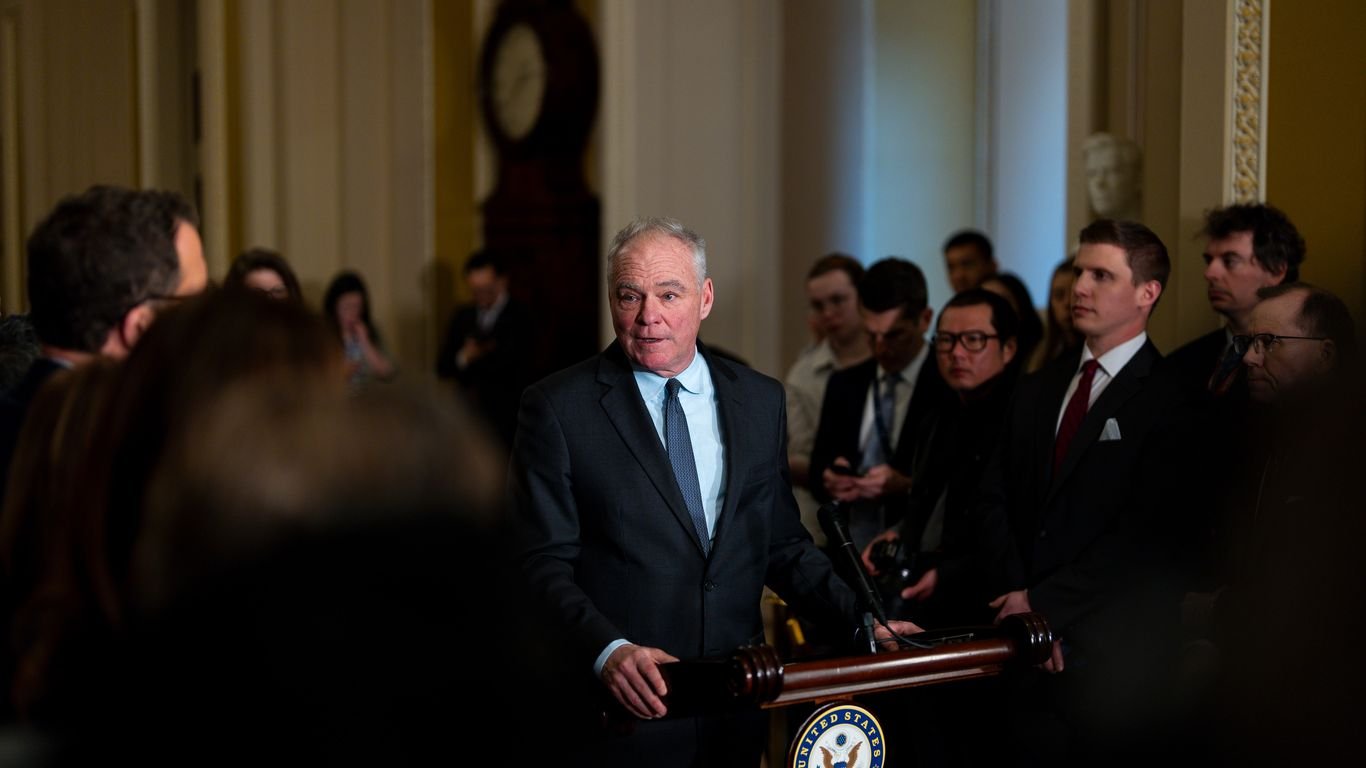
Sen. Tim Kaine (D-Va.) and other Democratic lawmakers are calling for an immediate vote on legislation that would limit the president's ability to wage war without congressional approval. The move comes in direct response to recent U.S. military actions targeting Iranian-backed forces in the Middle East.
Kaine, a longtime advocate for reasserting congressional war powers, argues that the Constitution grants Congress the sole authority to declare war. "The American people deserve a voice in whether we go to war," Kaine stated during a press conference, emphasizing that military strikes on sovereign nations require legislative debate and approval.
Constitutional Crisis Brewing
This confrontation represents the latest chapter in an ongoing struggle between Congress and the executive branch over war-making powers. The War Powers Resolution of 1973 requires the president to notify Congress within 48 hours of committing armed forces to military action and prohibits such forces from remaining for more than 60 days without congressional authorization.
However, administrations from both parties have frequently tested these limits, arguing that certain military actions fall under the president's constitutional authority as commander-in-chief. The current dispute highlights how these tensions intensify during periods of heightened regional conflict.
Strategic Implications
The demand for a war powers vote carries significant strategic implications. If Congress were to pass restrictions on military action against Iran, it would dramatically constrain the administration's options in responding to Iranian provocations or protecting U.S. interests in the region.
Military analysts note that such limitations could affect everything from defensive responses to Iranian missile attacks to offensive operations against Iranian nuclear facilities. The debate essentially pits immediate security concerns against long-term constitutional principles about checks and balances.
Political Calculations
Democrats face a complex political landscape in pushing for this vote. While many Americans support congressional oversight of military actions, there's also significant concern about appearing weak on national security, particularly regarding Iran's regional influence and nuclear ambitions.
The timing of this push is particularly sensitive, coming amid heightened tensions in the Middle East and ongoing negotiations over Iran's nuclear program. Some Democratic strategists worry that forcing a vote could either strengthen the administration's hand or create dangerous divisions at a critical moment.
Historical Context
This isn't the first time Congress has attempted to reclaim war powers. Similar efforts have occurred during the Iraq War, Libya intervention, and other military engagements. However, the current situation with Iran presents unique challenges due to the country's significant military capabilities and regional influence.
Previous attempts to restrict presidential war powers have often failed due to concerns about tying the administration's hands or appearing unpatriotic. The outcome of this latest effort could set important precedents for future executive-congressional relations on military matters.
What Happens Next
The coming weeks will likely see intense debate over the scope and language of any proposed war powers legislation. Key questions include whether to focus specifically on Iran or create broader restrictions, and how to balance security needs with constitutional principles.
The administration's response will be crucial. While presidents typically resist congressional attempts to limit their military authority, the political pressure and public opinion could force compromises or at least meaningful debate about the proper balance of war powers.
Broader Implications
Beyond the immediate constitutional questions, this dispute reflects deeper tensions in American foreign policy. The debate touches on fundamental questions about how the world's sole superpower should wield its military power and whether rapid military responses are compatible with democratic deliberation.
The outcome could influence not just U.S.-Iran relations but also how future administrations approach military interventions globally. As technology enables faster military responses and threats evolve more rapidly, the tension between constitutional processes and security needs becomes increasingly acute.
Looking Forward
The war powers debate represents more than a technical constitutional dispute—it's a fundamental question about American democracy's ability to wage war responsibly. As the situation with Iran continues to evolve, the pressure for congressional involvement will likely intensify, potentially forcing a resolution to this long-standing constitutional tension.
The stakes extend beyond any single military action or regional conflict. How Congress and the executive branch resolve this dispute could shape the fundamental nature of American military power for generations to come.
Comments
Please log in or register to join the discussion