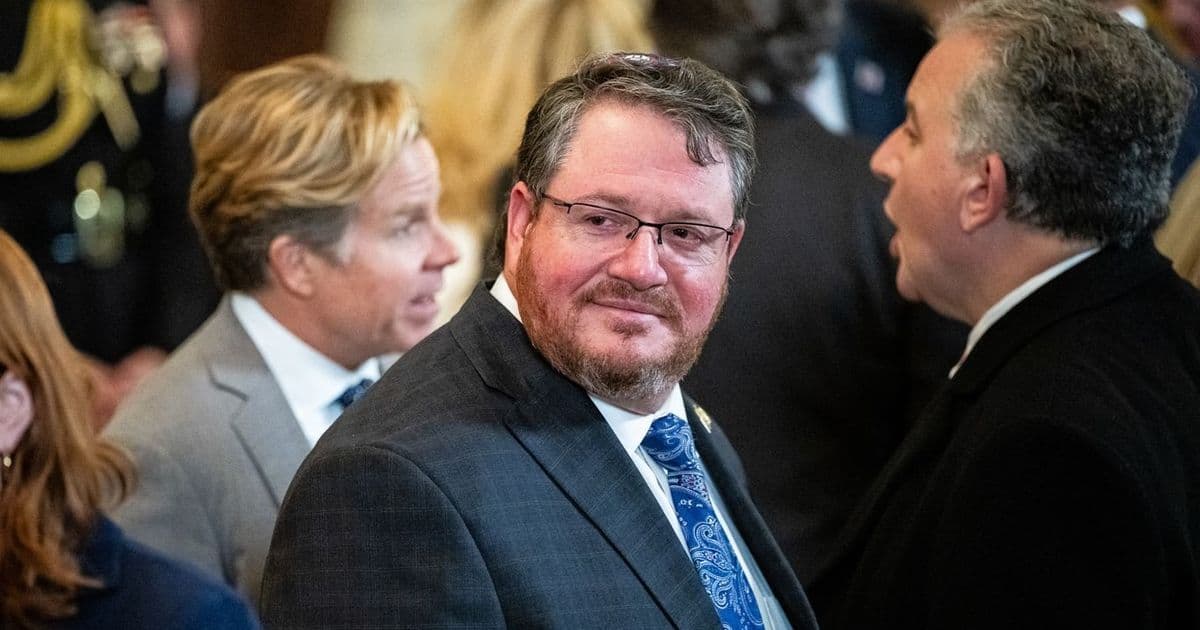
House Democrats are preparing to force a vote to censure Rep. Randy Fine following controversial remarks, marking a significant escalation in partisan tensions.
House Democrats are preparing to force a vote to censure Rep. Randy Fine (R-FL) following a series of controversial statements that have drawn bipartisan criticism. The move represents a significant escalation in partisan tensions on Capitol Hill and could set the stage for one of the most contentious floor votes in recent memory.
Background on the Censure Effort
The censure resolution stems from remarks Fine made during a recent committee hearing, where he allegedly made inflammatory comments about immigration policy and used language that several Democratic lawmakers described as "divisive" and "unbecoming of a member of Congress." While the exact wording of the censure resolution has not been made public, sources familiar with the matter indicate it will focus on Fine's rhetoric and its potential to incite further polarization.
Democratic leadership has been weighing this move for several weeks, consulting with members of the Congressional Black Caucus and other key stakeholders. The decision to proceed with a forced vote suggests Democrats believe they have sufficient support to make the censure effort politically meaningful, even if it ultimately fails to pass in the Republican-controlled House.
Political Implications
This development comes at a particularly sensitive time in American politics, with immigration remaining a top concern for voters and partisan divisions at historic highs. The censure vote could serve multiple purposes for Democrats:
- Messaging: Highlighting what they perceive as extreme rhetoric from the GOP
- Accountability: Attempting to hold individual members responsible for inflammatory statements
- Fundraising: Using the controversy to energize their base and raise campaign funds
For Republicans, the situation presents both risks and opportunities. While they may rally around Fine as a fellow party member under attack, they must also consider whether his continued presence in Congress could become a liability in competitive districts.
Historical Context
Congressional censures are relatively rare but not unprecedented. The House has censured members for various offenses, including corruption, sexual misconduct, and other breaches of decorum. Notable recent censures include:
- Rep. Paul Gosar (R-AZ) in 2021 for posting an animated video depicting violence against colleagues
- Rep. Adam Schiff (D-CA) in 2023 for his role in the Trump impeachment proceedings
- Rep. Jamaal Bowman (D-NY) in 2023 for pulling a fire alarm during a critical vote
Fine's potential censure would add to this list and could become a defining moment in his political career, particularly as he considers future electoral ambitions.
What Happens Next?
The censure resolution is expected to be filed formally in the coming days, with Democratic leaders aiming to bring it to the floor for a vote within the next two weeks. The timing suggests they want to capitalize on current media attention while also avoiding interference with other legislative priorities.
Fine has not yet issued a comprehensive response to the censure effort, though sources close to the congressman indicate he plans to defend his remarks as protected political speech and accuse Democrats of attempting to silence conservative voices.
Broader Implications for Congress
This confrontation reflects the increasingly combative nature of contemporary American politics, where partisan disagreements frequently escalate into formal disciplinary actions. The censure vote could further erode the already fragile comity in the House and make bipartisan cooperation even more difficult to achieve.
As the situation develops, political observers will be watching closely to see whether this represents a one-off confrontation or the beginning of a new phase in congressional oversight of member conduct.
Comments
Please log in or register to join the discussion