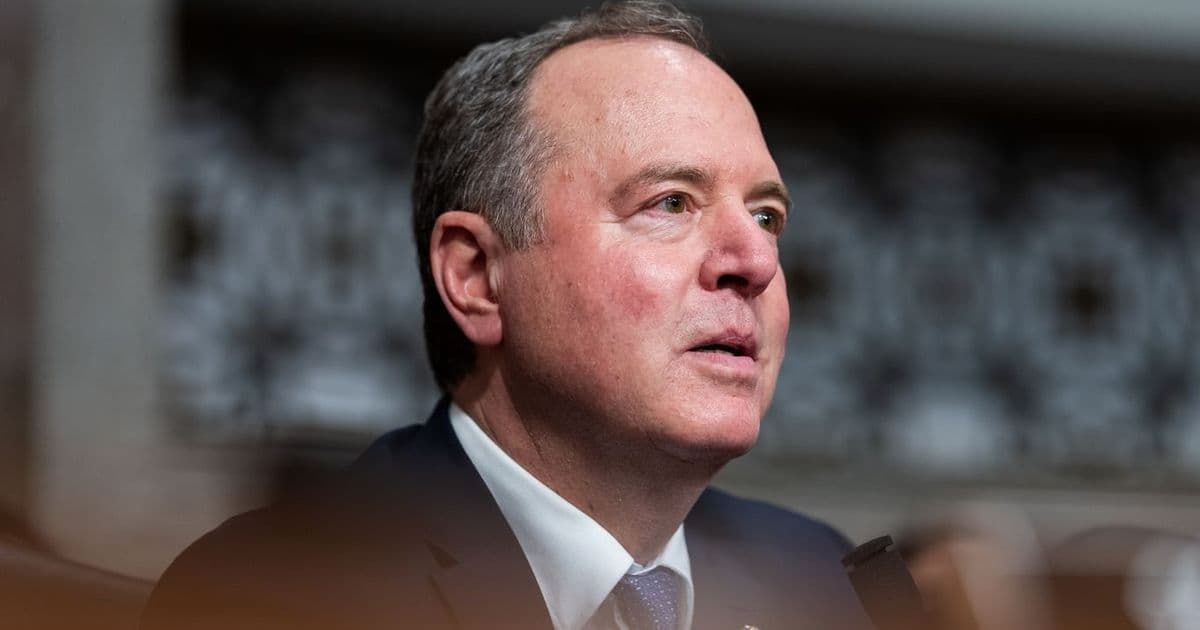
Senate Democrats are drafting legislation to establish safety boundaries for AI-powered military systems and government surveillance programs, responding to growing concerns about autonomous weapons and domestic spying capabilities.
Senate Democrats are moving forward with legislation to establish safety boundaries for artificial intelligence systems, focusing on two critical areas: autonomous weapons and domestic surveillance capabilities. The initiative, led by key Democratic lawmakers, comes amid growing concerns about the rapid advancement of AI technology and its potential implications for national security and civil liberties.
Legislative Framework Emerges
The drafting process involves multiple Senate committees working to create a comprehensive framework that would regulate AI deployment in military and intelligence contexts. Sources familiar with the discussions indicate the legislation would establish clear parameters for when and how AI systems can be used in weapons systems, particularly those capable of making lethal decisions without human intervention.
The proposed guardrails would likely include requirements for human oversight in critical decision-making processes, transparency in AI system operations, and accountability measures for developers and operators of autonomous weapons platforms. These provisions aim to prevent scenarios where AI systems could initiate military actions independently of human control.
Domestic Surveillance Concerns
On the domestic front, the legislation addresses growing unease about AI-powered surveillance technologies being deployed by federal, state, and local law enforcement agencies. The draft includes provisions that would limit the use of facial recognition, predictive policing algorithms, and other AI-driven surveillance tools without proper oversight and judicial review.
Privacy advocates have long warned about the potential for AI systems to enable mass surveillance at scales previously impossible, with capabilities to track individuals across multiple data sources and predict behavior patterns. The Democratic proposal seeks to establish legal boundaries that would protect constitutional rights while still allowing for legitimate law enforcement and national security applications.
Industry and Military Response
The initiative has sparked debate within the defense and technology sectors. Military officials argue that maintaining technological superiority requires pushing the boundaries of AI development, while tech companies worry about regulatory constraints that could limit innovation and competitiveness in the global AI race.
However, supporters of the legislation point to recent incidents where AI systems have demonstrated unpredictable behavior or made decisions that raised ethical concerns. The push for guardrails reflects a growing recognition that the technology's rapid advancement has outpaced the development of appropriate legal and ethical frameworks.
International Context
The Democratic effort aligns with broader international discussions about AI governance. Several countries have already begun implementing their own restrictions on autonomous weapons and surveillance technologies, and the proposed U.S. legislation could influence global standards for AI safety and ethics.
Timeline and Next Steps
While the drafting process is still in early stages, lawmakers hope to introduce formal legislation within the next few months. The initiative faces an uncertain path forward, with potential opposition from Republicans who may view the restrictions as limiting military capabilities or government efficiency.
The debate over AI guardrails represents a critical moment in the technology's development, as policymakers grapple with balancing innovation against safety and civil liberties concerns. As AI systems become more sophisticated and widespread, the question of how to govern their use becomes increasingly urgent.
The outcome of this legislative effort could significantly shape the future of AI deployment in both military and domestic contexts, potentially setting precedents that influence technological development for years to come.
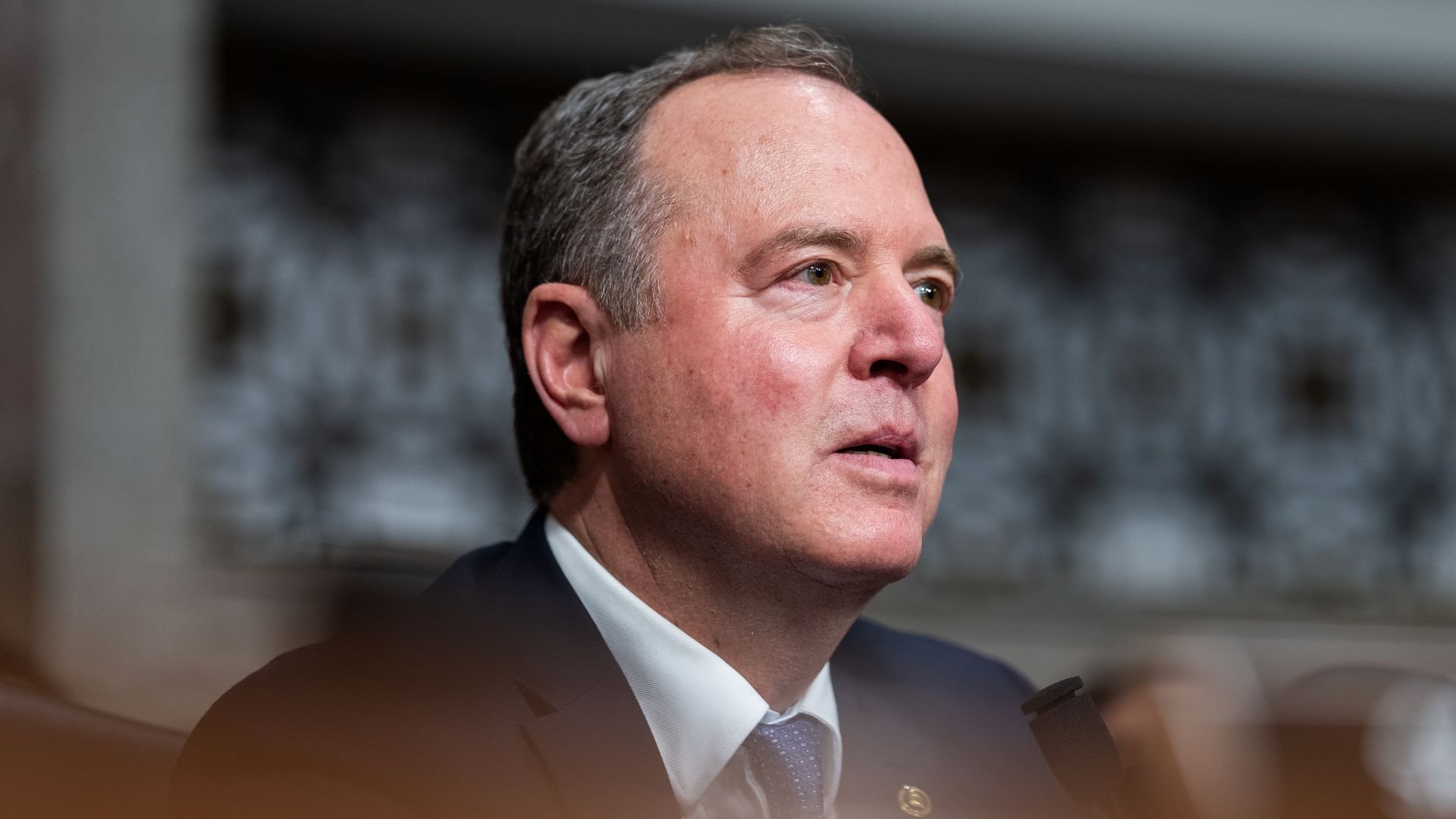
Senator Adam Schiff has been a vocal advocate for AI regulation, emphasizing the need for congressional oversight of emerging technologies that could impact national security and civil liberties.
Comments
Please log in or register to join the discussion