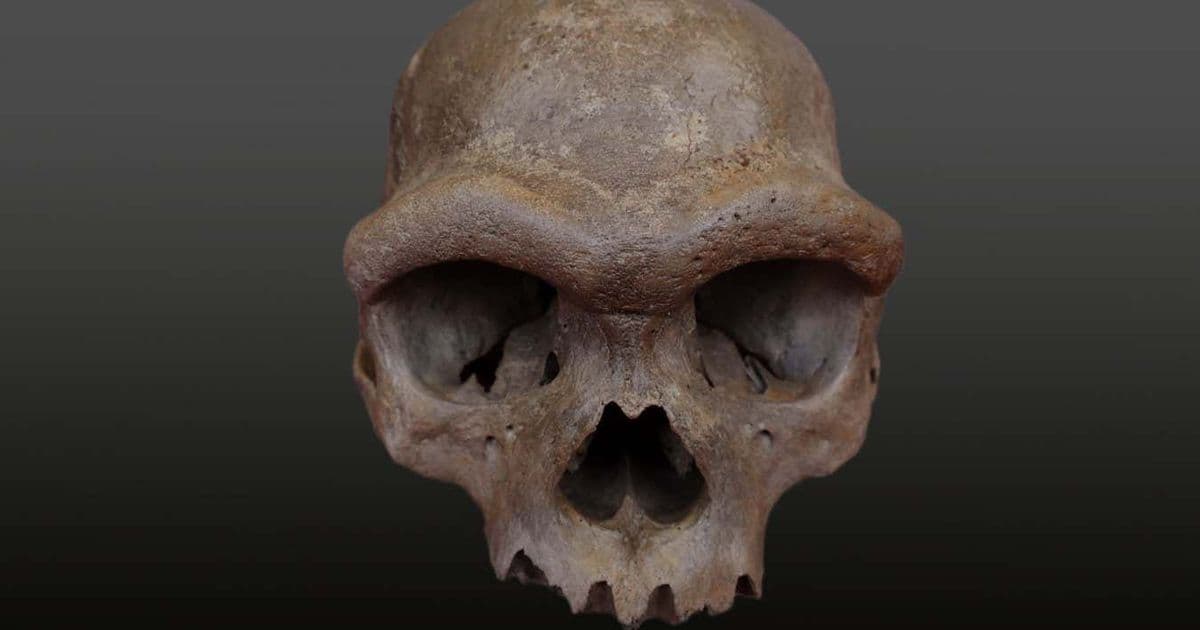
A 146,000-year-old skull found in China contains Denisovan DNA, challenging established theories about human ancestry. The finding sparks debates about species classification and suggests Denisovans may be more closely related to modern humans than Neanderthals. This breakthrough opens new frontiers in understanding ancient human behavior and migration patterns.
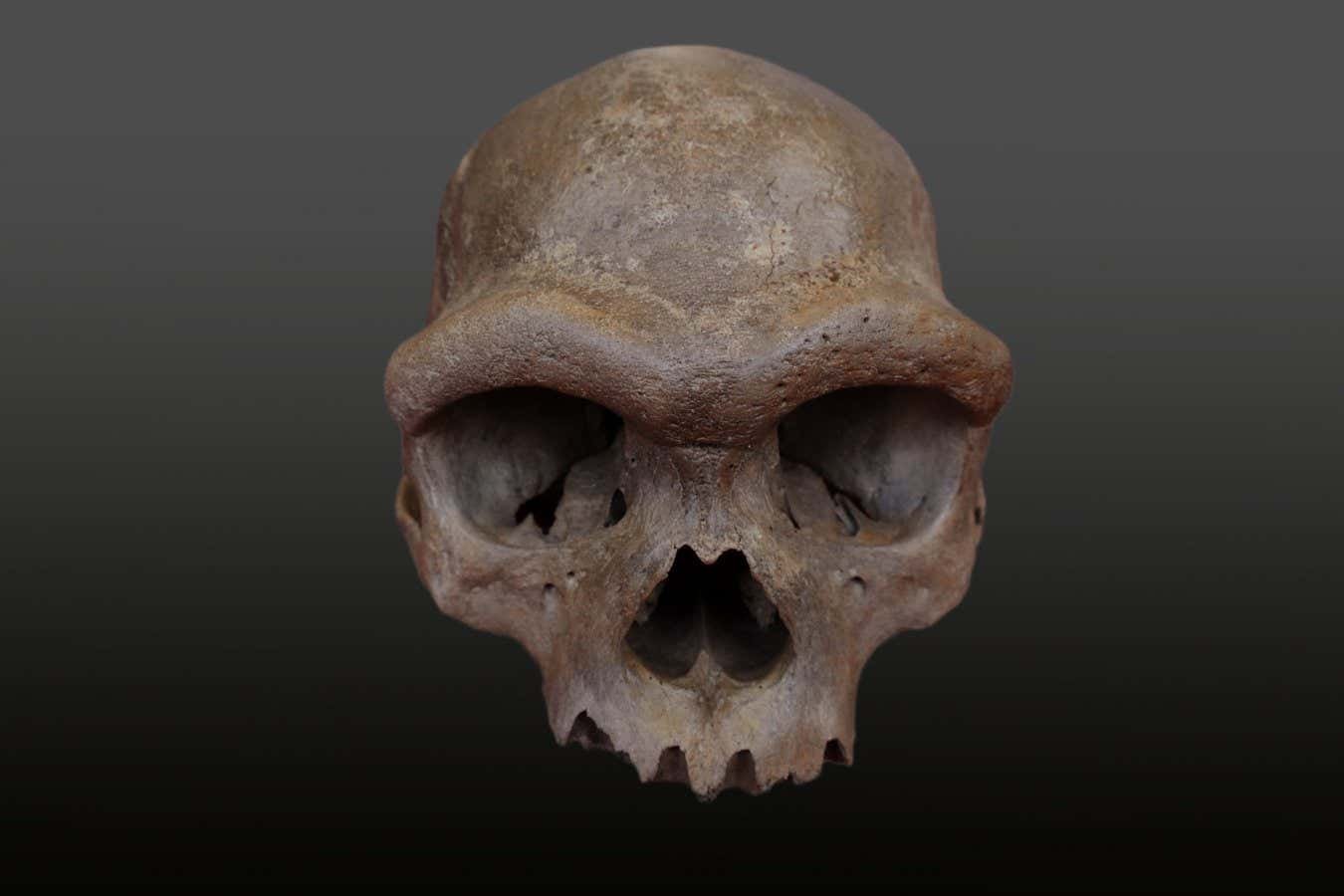
In a landmark discovery reshaping anthropology, DNA analysis confirms a 146,000-year-old skull unearthed in Harbin, China belongs to the enigmatic Denisovans—a sister lineage to Neanderthals. This fossil provides the first anatomical glimpse of these ancient humans previously known only through genetic fragments. The cranium reveals an unexpected mosaic: facial features resembling Homo sapiens combined with prominent brow ridges and a flattened forehead. This breakthrough, detailed in New Scientist, overturns fundamental assumptions about human evolution.
The Naming Controversy
The identification sparks taxonomic debates with three competing classifications:
- Homo longi: Proposed by Chinese Academy of Sciences researchers
- Homo juluensis: Suggested for comparable large-toothed fossils
- Retaining 'Denisovan': As an informal designation
Christopher Bae (University of Hawaiʻi) emphasizes the urgency: "You have to give them a name because otherwise it's difficult to discuss evolutionary variation." The classification carries implications for understanding hominin diversity across Pleistocene Asia.
Rewriting the Family Tree
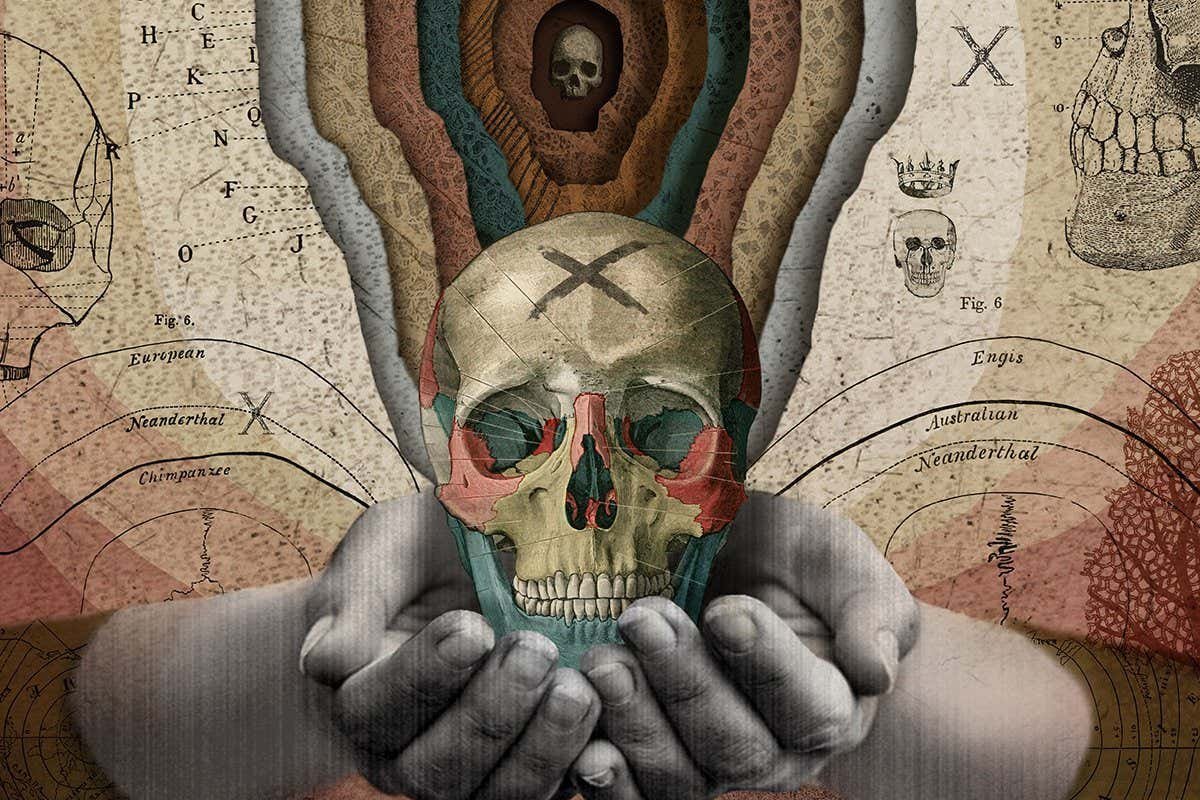 Groundbreaking unpublished research led by Xijun Ni and Chris Stringer proposes a radical revision: Denisovans may be more closely related to modern humans than Neanderthals. Their analysis suggests:
- Denisovan-Homo sapiens divergence: ~1.32 million years ago
- Neanderthal divergence: ~1.38 million years ago
This challenges genetic studies indicating a shared Neanderthal-Denisovan split from modern humans just 500,000-700,000 years ago. Harvard geneticist David Reich notes the tension: "It's very clear from genetic data that the major split occurred within the last 700,000 years."
The Search for Ancestor X
The revised timeline intensifies the hunt for humanity's last common ancestor. Ni and Stringer's team analyzed 1.1-million-year-old Yunxian skulls from China, finding anatomical features aligning with predicted Ancestor X traits—modern facial structure coupled with a smaller, primitive braincase. This suggests Asia may have played a pivotal role in human origins, contradicting the traditional African-origin narrative.
Decoding Denisovan Survival Strategies
 Excavations at Baishiya Karst Cave (Tibetan Plateau, 3,200m altitude) reveal Denisovans' remarkable adaptability:
- Occupied extreme environments with sub-zero temperatures
- Mastered diverse hunting techniques for blue sheep, snow leopards, and marmots
- Processed animal skins for insulation
Evidence suggests they lacked modern humans' rainforest foraging skills but thrived in high-altitude niches. As Mike Morley (Flinders University) observes: "Their geographic range was likely huge."
The Path Forward
The Harbin skull transforms Denisovans from genetic ghosts into tangible actors in human prehistory. Ongoing excavations across Asia promise further revelations about these resilient hominins who conquered Asia's extremes. Each new fossil and DNA analysis brings us closer to understanding why Homo sapiens survived while other human species vanished—and what truly makes our species unique.
Source: New Scientist
Comments
Please log in or register to join the discussion