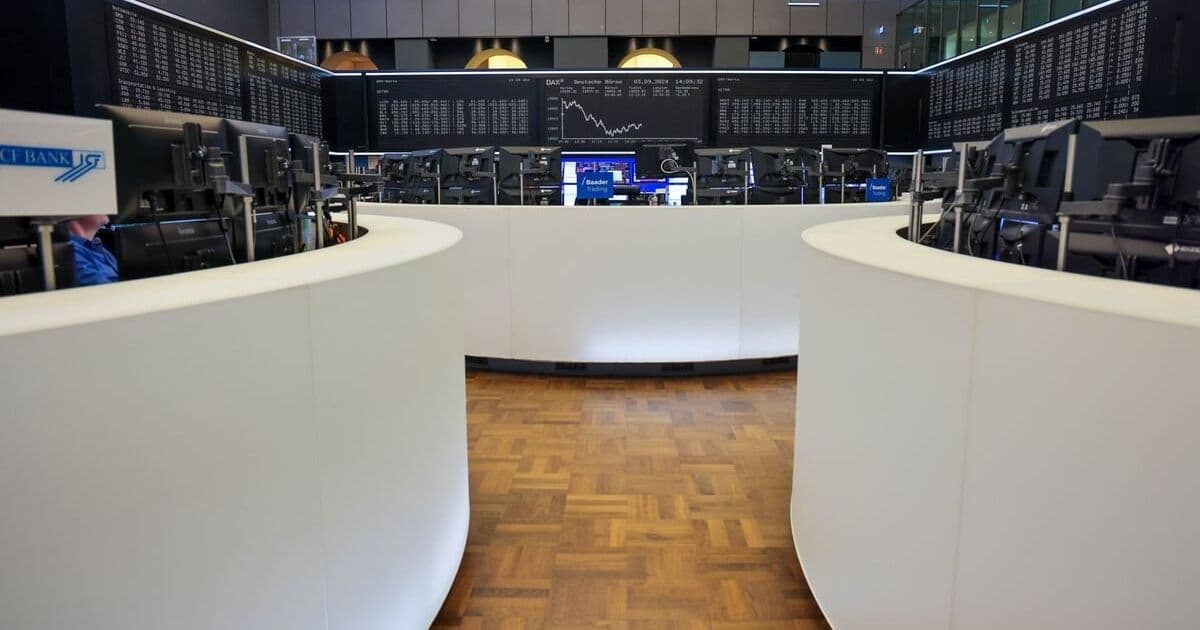
German exchange operator Deutsche Börse has agreed to acquire European fund distribution platform Allfunds for approximately $6.2 billion in cash and stock, marking a significant consolidation move in the financial infrastructure space as asset managers seek integrated digital solutions.
German exchange operator Deutsche Börse AG has agreed to acquire European fund distribution platform Allfunds Group Plc for approximately €5.3 billion ($6.2 billion) in a cash and stock transaction. The deal represents one of the largest acquisitions in European financial infrastructure this year and signals continued consolidation as traditional exchanges expand beyond trading into asset servicing.
What's Actually Happening
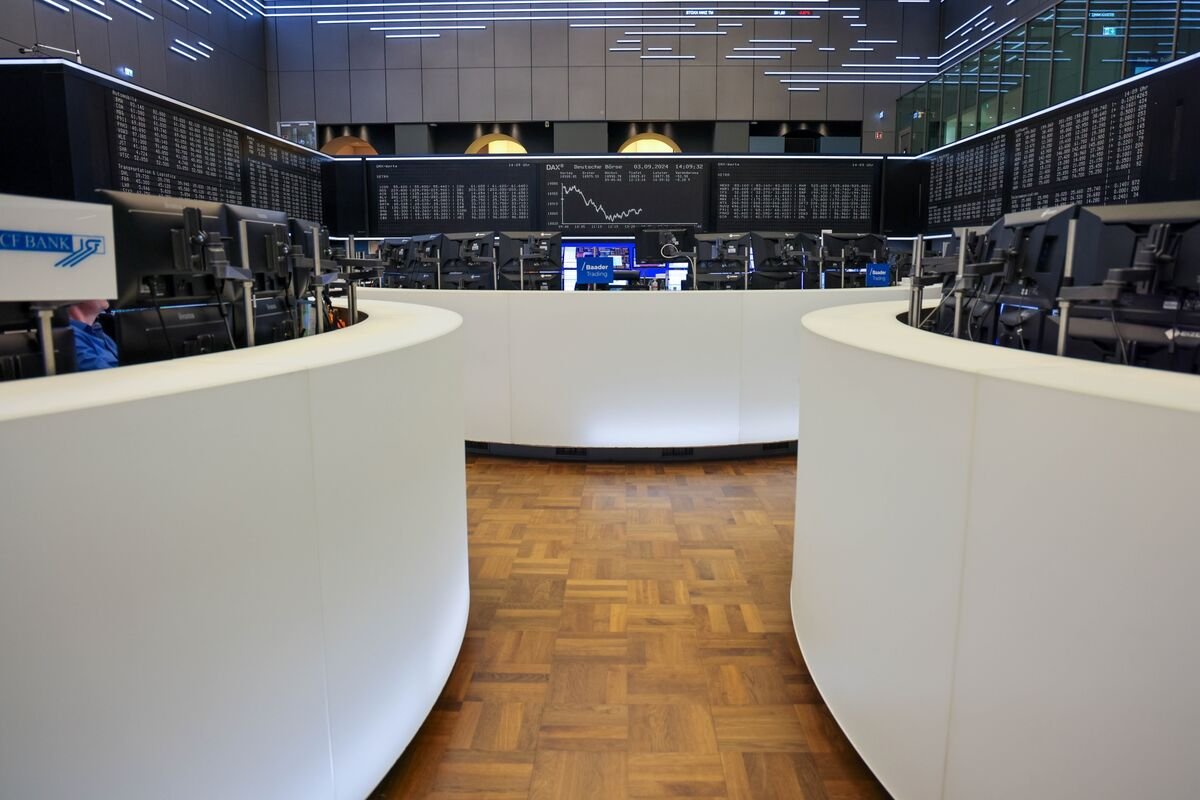
Deutsche Börse, which operates the Frankfurt Stock Exchange and Clearstream custody services, is acquiring Allfunds, a platform that provides fund distribution and data services to asset managers, banks, and insurers across Europe. Allfunds serves as a gateway connecting fund managers with distributors, handling everything from fund data and analytics to execution and settlement.
The acquisition price values Allfunds at roughly 15 times its estimated 2025 revenue, based on Bloomberg's reporting of the company's financials. Deutsche Börse plans to fund the transaction through a combination of cash reserves and new debt, with the deal expected to close in the second half of 2026 pending regulatory approvals.
Why This Matters for Financial Infrastructure
This acquisition reflects a broader trend where traditional exchanges are transforming into comprehensive financial market infrastructures. Deutsche Börse has been systematically building its post-trade services through Clearstream, which provides custody and settlement for securities. Adding Allfunds extends this into the pre-trade and distribution side of the fund ecosystem.
For asset managers, the integration could mean more streamlined operations. Currently, many fund managers must work with separate platforms for distribution, data, and custody. A combined Deutsche Börse-Allfunds could offer a more integrated service, potentially reducing operational friction and costs.
The deal also highlights the increasing value of fund data and distribution networks. Allfunds' platform aggregates data from thousands of funds across Europe, providing analytics and benchmarking tools that have become essential for asset managers making investment decisions. This data layer is increasingly valuable as the fund industry grows more complex.
Technical and Operational Implications
From a technical perspective, the acquisition will require integrating two distinct technology stacks. Deutsche Börse's infrastructure is built around high-frequency trading and settlement systems that prioritize reliability and speed. Allfunds' platform is more focused on data aggregation, analytics, and user interfaces for asset managers.
The integration challenge will be maintaining Allfunds' agility and user experience while ensuring it meets Deutsche Börse's stringent security and reliability standards. Allfunds' platform currently handles over €1.5 trillion in assets under distribution, according to company materials, making system stability critical.
For the broader market, this could accelerate the trend toward platform consolidation. Smaller fund distribution platforms may face pressure as larger players like Deutsche Börse, BlackRock's Aladdin platform, and State Street's Charles River continue to expand their service offerings.
Limitations and Challenges
Regulatory scrutiny will be a significant hurdle. European regulators have been increasingly focused on competition in financial infrastructure, particularly after the failed merger of Deutsche Börse and the London Stock Exchange in 2017. The European Commission will likely examine whether this acquisition reduces competition in fund distribution or creates unfair advantages for Deutsche Börse's own custody services.
Integration risks are substantial. Allfunds has built its business on being an independent, neutral platform serving multiple asset managers. Becoming part of a vertically integrated exchange operator could create conflicts of interest, particularly if Deutsche Börse's custody services receive preferential treatment.
The deal also comes at a time when the fund industry is grappling with fee compression and the rise of passive investing. Allfunds' growth has been driven by the increasing complexity of fund products and the need for better data and analytics. However, if the industry continues to consolidate around fewer, larger funds, the addressable market for distribution platforms could shrink.
Market Context
The acquisition follows a series of moves by exchanges to diversify beyond traditional trading. Intercontinental Exchange has expanded into data and analytics through its acquisition of Refinitiv. Nasdaq has built out its market technology and surveillance businesses. Deutsche Börse's acquisition of Allfunds follows this playbook, adding a high-margin, recurring revenue business that is less cyclical than trading volumes.
For Allfunds shareholders, the deal provides an exit at a premium valuation. The company, which went public in 2021, has seen its stock price fluctuate amid broader market volatility. The acquisition price represents a significant premium over recent trading levels.
The transaction also reflects the ongoing convergence of traditional finance and technology. As asset managers digitize their operations, platforms that provide integrated technology and data services are becoming increasingly valuable. This trend has driven valuations for fintech companies in the fund space, even as broader tech valuations have corrected.
What Comes Next
The acquisition will need approval from competition authorities in Germany and potentially the European Commission. Deutsche Börse will likely argue that the deal creates efficiencies and benefits for asset managers and investors through better integration of services.
For the market, the deal could trigger further consolidation. Competitors like Morningstar, Bloomberg, and smaller fund platforms may seek strategic partners or consider their own acquisitions to compete with the combined entity's scale.
The integration timeline will be watched closely. Deutsche Börse has a mixed record on acquisitions—its 2012 acquisition of Clearstream was successful, while its 2017 merger attempt with the London Stock Exchange failed. Success will depend on maintaining Allfunds' customer relationships while leveraging Deutsche Börse's infrastructure and capital.
Ultimately, this deal represents a bet that the future of asset management will be dominated by integrated platforms that combine trading, custody, distribution, and data. As the industry becomes more digital and interconnected, the companies that control these integrated platforms may gain significant competitive advantages.
Comments
Please log in or register to join the discussion