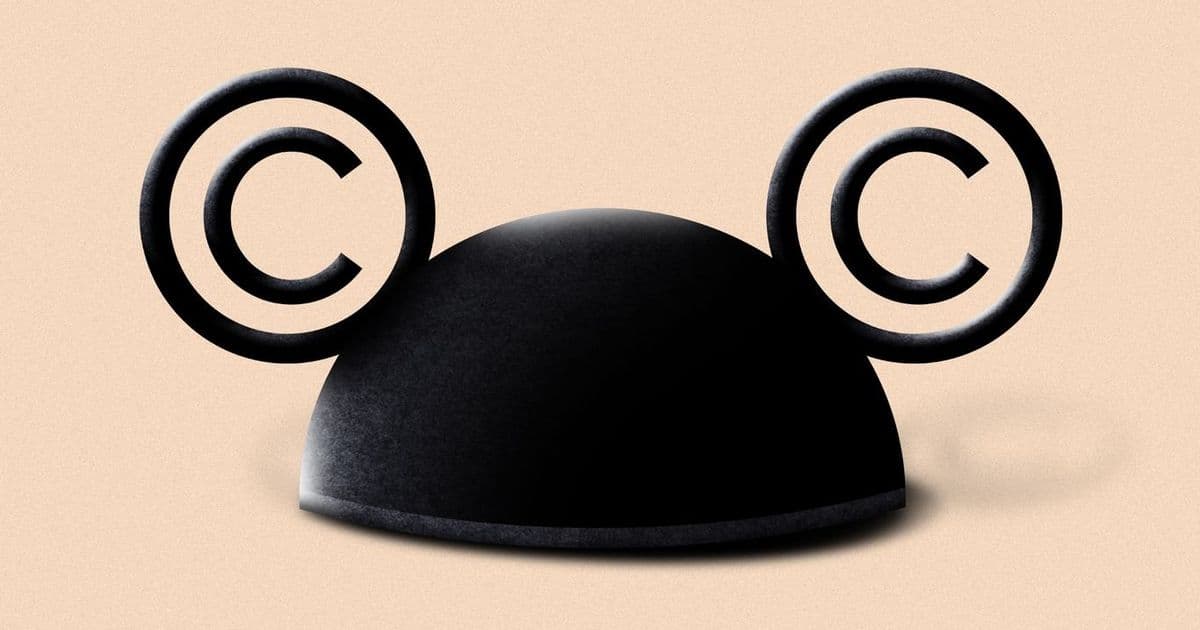
Disney has issued a cease-and-desist letter to ByteDance, alleging the Chinese tech giant used Disney's copyrighted works without permission to train its Seedance 2.0 video generation model.
The Walt Disney Company has escalated its legal battle against ByteDance, sending a cease-and-desist letter alleging the Chinese tech giant used Disney's copyrighted works without authorization to train its Seedance 2.0 video generation model.
According to multiple reports, Disney's legal team claims ByteDance scraped and incorporated Disney's intellectual property—including characters, storylines, and visual elements from its vast library of films and television shows—into the training data for Seedance 2.0. The AI model, which generates video content from text prompts, has gained attention for its ability to produce high-quality, realistic footage.
The cease-and-desist letter marks a significant escalation in the entertainment industry's response to AI companies using copyrighted material for training without compensation. Disney joins a growing list of media companies taking legal action against AI firms over similar allegations.
Industry Context and Broader Implications
This legal move comes amid increasing tension between content creators and AI developers. The Motion Picture Association (MPA) has also urged ByteDance to curb Seedance 2.0's capabilities, particularly after an AI-generated video depicting Tom Cruise and Brad Pitt fighting on a rooftop went viral, raising concerns about deepfake technology and unauthorized use of celebrity likenesses.
Disney's aggressive stance reflects the company's history of vigorously protecting its intellectual property. The entertainment giant has previously taken legal action against unauthorized use of its characters and stories, and this case represents an extension of that strategy into the AI domain.
Technical and Legal Questions
The case raises fundamental questions about AI training practices and copyright law. While AI companies argue that training on publicly available content falls under fair use, content creators maintain that using their works to build commercial AI models without permission or compensation constitutes infringement.
Seedance 2.0 represents a new frontier in AI-generated video, capable of producing content that closely mimics professional filmmaking techniques. The model's sophistication has made it particularly attractive to content creators but also raised concerns about its potential to replicate copyrighted material.
Industry Response
Other major media companies are watching this case closely, as its outcome could set precedents for how AI training data is sourced and compensated. The entertainment industry has been grappling with how to adapt to AI technology while protecting creative works and ensuring fair compensation for artists and rights holders.
ByteDance has not yet publicly responded to Disney's cease-and-desist letter. The company faces mounting pressure from both legal challenges and industry criticism over its AI practices, particularly regarding the use of copyrighted material in training datasets.
Looking Ahead
The dispute highlights the growing friction between AI innovation and intellectual property rights. As AI models become more sophisticated and capable of generating increasingly realistic content, the question of how to balance technological advancement with creator rights becomes more pressing.
This case could influence future regulations and industry standards for AI training practices, potentially requiring companies to obtain licenses or compensation agreements before using copyrighted material. The outcome may also affect how AI companies approach content sourcing and model development moving forward.
The legal battle between Disney and ByteDance represents a pivotal moment in the ongoing debate over AI, copyright, and creative ownership in the digital age.
Comments
Please log in or register to join the discussion