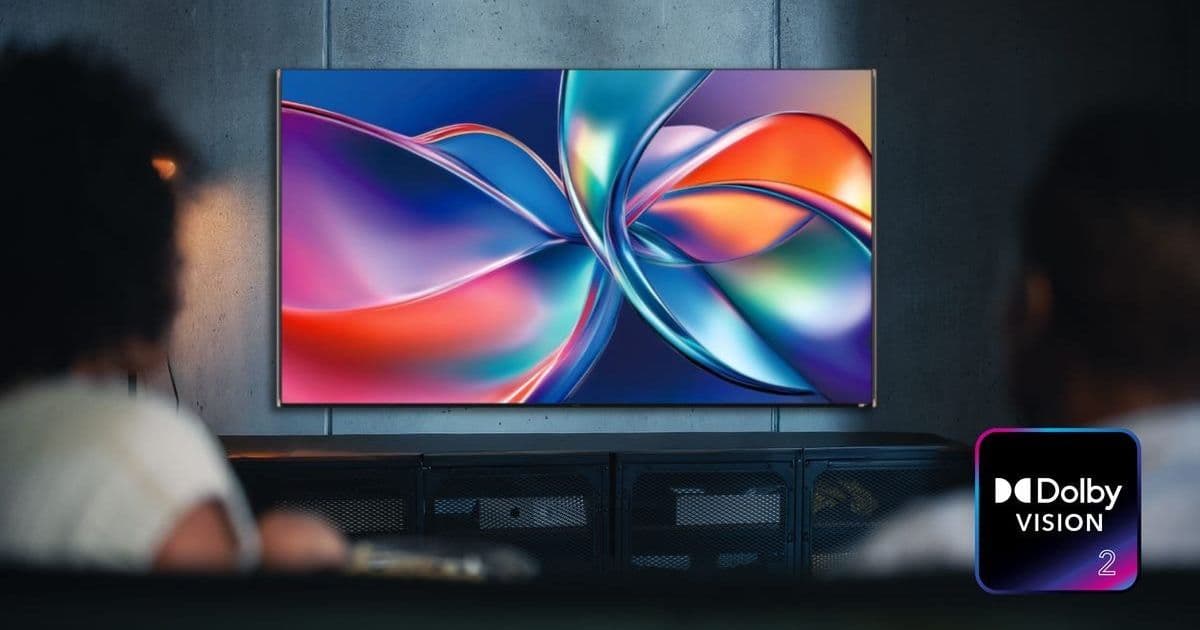
Dolby has unveiled Vision 2, a revolutionary HDR format addressing persistent viewer complaints about dark scenes while introducing AI-driven content optimization and filmmaker tools. The upgrade features bi-directional tone mapping for modern displays and specialized modes for sports and gaming, with Hisense's RGB-MiniLED TVs leading the rollout.
The Next Evolution of HDR: Dolby Vision 2 Tackles Dark Scenes with AI Precision
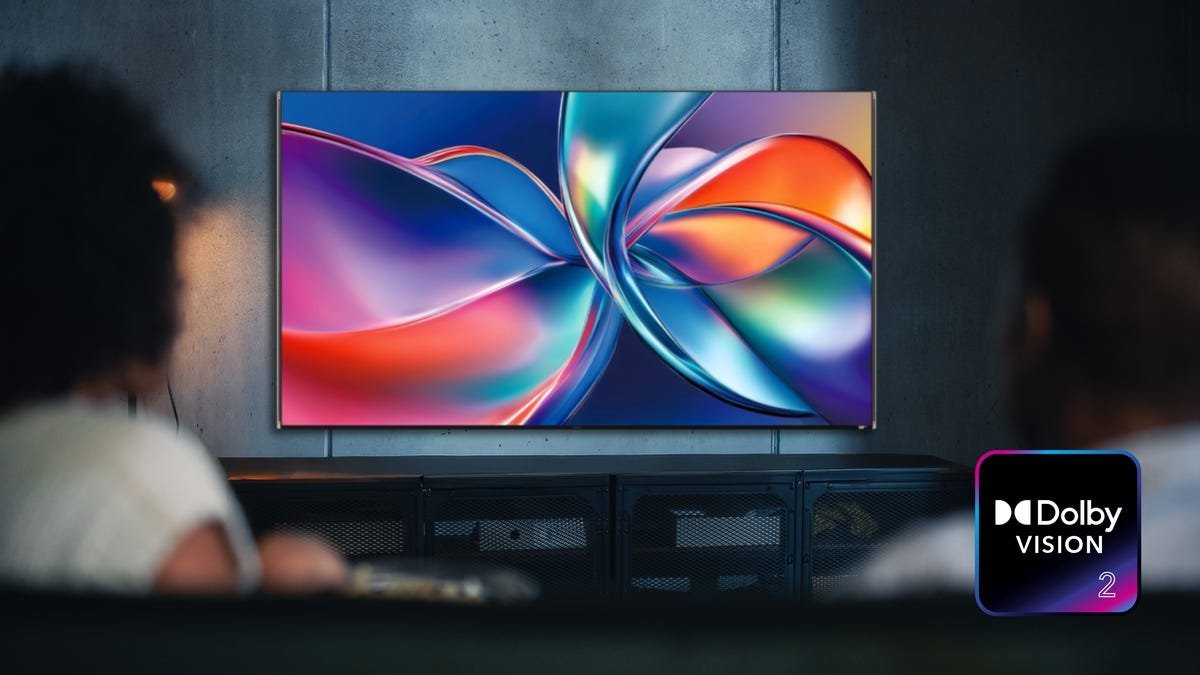
Dolby has launched its long-awaited Dolby Vision 2 format, marking the first major overhaul of its high dynamic range technology since its debut over a decade ago. Positioned as a "groundbreaking evolution," this upgrade directly addresses one of consumers' most persistent frustrations: overly dark scenes that obscure visual details in premium content.
Engineering Brighter Shadows and Smarter Viewing
At the core of Vision 2 lies content intelligence – an AI-powered system that dynamically optimizes picture quality based on both the content itself and ambient lighting conditions. This introduces two critical advancements:
- Precision Black: Resolves the notorious darkness issue by enhancing clarity in shadowed areas without compromising contrast
- Light Sense: Automatically adjusts image parameters by detecting environmental light levels
"What creatives intend and what viewers experience often diverges due to technical limitations," explained a Dolby representative. "Vision 2 bridges that gap through computational imaging."
Beyond Brightness: The Cinematic Toolkit
The new specification extends far beyond luminance fixes with professional-grade creative controls:
- Authentic Motion: The first creative-driven motion control tool enabling frame-by-frame cinematic adjustments
- Bi-directional tone mapping: Leverages modern displays' extreme brightness capabilities (3,000+ nits) for enhanced contrast and color saturation
- Dedicated optimization modes: Tailored presets for live sports broadcasting and gaming responsiveness
Strategic Rollout and Tiered Adoption
Hisense will debut Vision 2 support in its upcoming RGB-MiniLED television lineup, capitalizing on the technology's enhanced local dimming capabilities. Dolby confirms a two-tier implementation strategy:
| Tier | Target Market | Key Features |
|---|---|---|
| Dolby Vision 2 | Mainstream TVs | Core PQ improvements |
| Dolby Vision 2 Max | Premium Displays | Additional cinematic enhancements |
Industry analysts anticipate broader manufacturer adoption at CES 2026, potentially accelerating 8K content pipelines. The timing strategically positions Dolby against competing HDR10+ advancements and coincides with streaming services' push toward higher-bitrate formats.
Why This Upgrade Matters Beyond Your Living Room
This isn't merely about darker blacks or brighter highlights. Vision 2 represents a fundamental shift toward context-aware display technology – where screens dynamically adapt to both content artistry and viewing environments. For content creators, the shot-level motion controls democratize cinematic techniques previously requiring expensive post-production suites. For engineers, the bidirectional tone mapping standardizes HDR implementation across wildly varying display capabilities.
As broadcasters prepare 8K sports coverage and filmmakers explore next-gen narrative techniques, Dolby Vision 2 provides the technical scaffolding to make these ambitions viewable as intended – whether in sun-drenched living rooms or late-night binge sessions.
Source: ZDNET (Artie Beaty, September 2, 2025)
Comments
Please log in or register to join the discussion