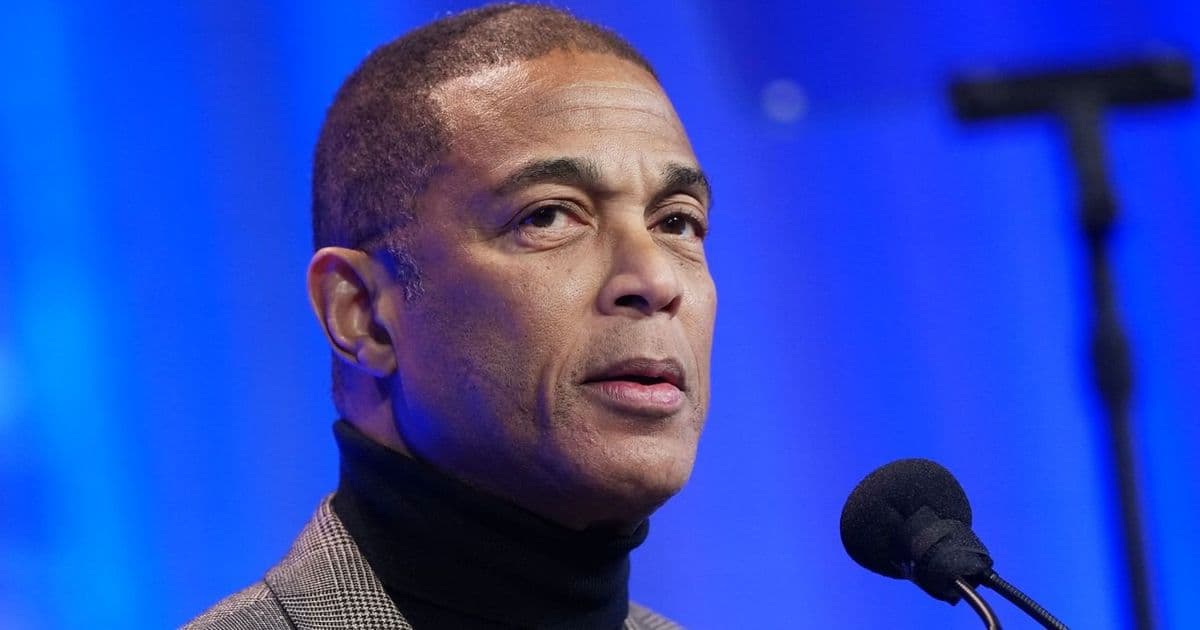
Former CNN anchor Don Lemon has pleaded not guilty to charges stemming from his coverage of an ICE protest at a Washington D.C. church, marking a significant legal battle over press freedom and protest coverage.
Former CNN anchor Don Lemon has pleaded not guilty to charges stemming from his coverage of an ICE protest at a Washington D.C. church, marking a significant legal battle over press freedom and protest coverage.
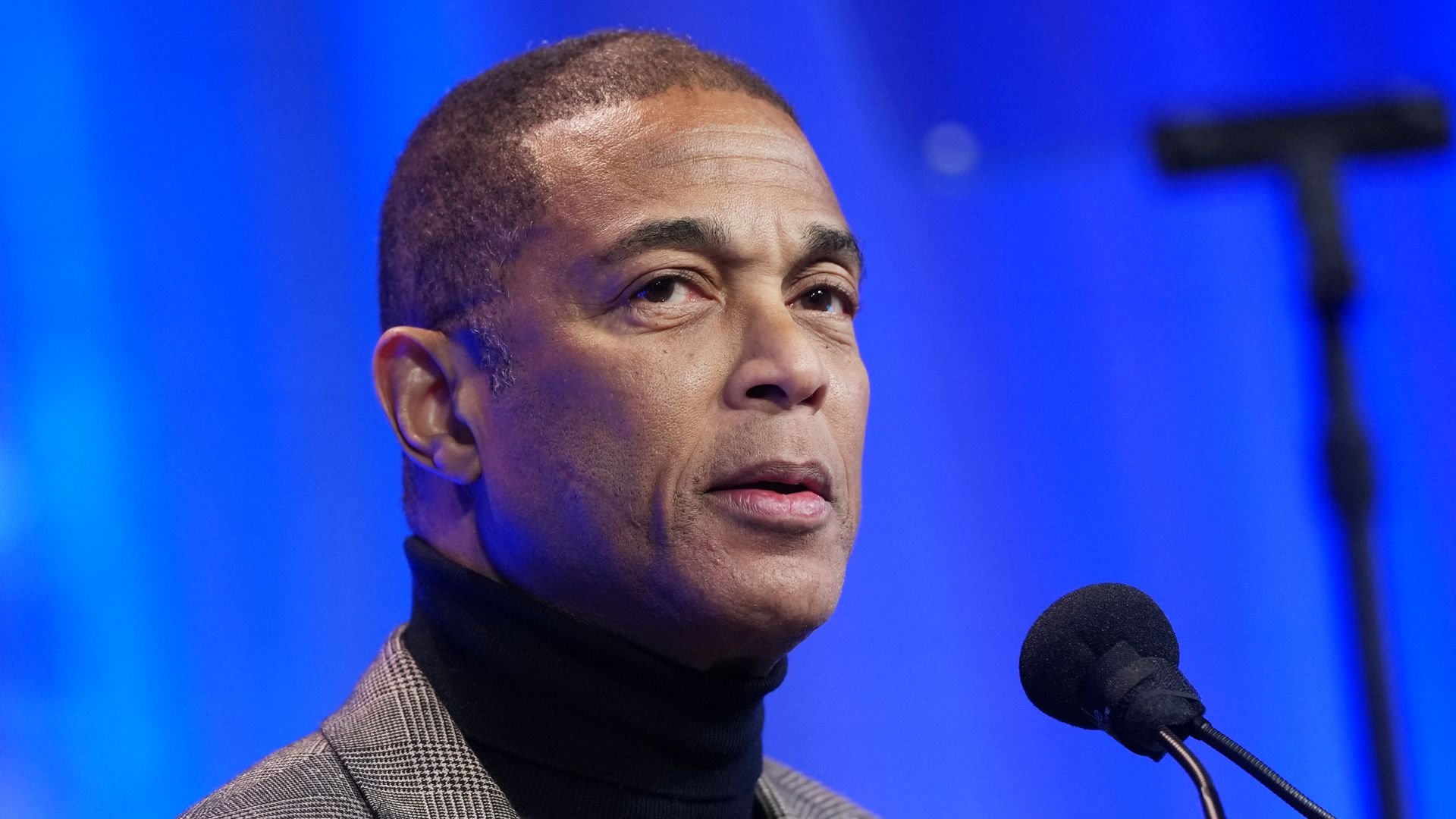
Lemon appeared in D.C. Superior Court on Thursday where he entered his plea against misdemeanor charges of unlawful entry and disorderly conduct. The charges relate to an incident on January 20, 2025, when Lemon was covering protests against Immigration and Customs Enforcement (ICE) activities at the Church of the Pilgrims in Washington D.C.
The charges allege that Lemon entered the church property after being ordered to leave by law enforcement. His legal team argues that as a journalist covering a public protest, Lemon had every right to be on the scene and that his arrest represents an infringement on press freedoms.
"This is a clear case of a journalist being targeted for doing his job," said Lemon's attorney, Lisa Banks. "Don was simply reporting on a newsworthy event that was of public interest. The charges against him are baseless and we are confident they will be dismissed."
Background on the Incident
The protest at the Church of the Pilgrims was organized by immigrant rights groups opposing ICE raids in the D.C. area. The church had been serving as a sanctuary for undocumented immigrants facing deportation. During the protest, which drew hundreds of demonstrators, Lemon was on-site conducting interviews and reporting live for his digital media venture.
According to court documents, police ordered the crowd to disperse around 8:30 PM, citing unlawful assembly. Lemon remained on the scene to continue his coverage, which authorities claim constituted unlawful entry after the dispersal order was given.
Press Freedom Implications
The case has drawn attention from press freedom organizations who see it as part of a broader pattern of challenges facing journalists covering protests and civil unrest. The Committee to Protect Journalists issued a statement expressing concern about the charges.
"Journalists must be able to cover protests and civil demonstrations without fear of arrest or prosecution," the statement read. "Charging a journalist for doing their job sets a dangerous precedent that could have a chilling effect on press freedom."
Legal experts note that the case raises important questions about where the line is drawn between law enforcement's authority to control crowds and the First Amendment rights of journalists to report on matters of public concern.
Lemon's Career Transition
The charges come at a pivotal moment in Lemon's career. After his departure from CNN in April 2023 following controversial comments about women, Lemon has been building a presence in digital media and independent journalism. This incident represents both a legal challenge and a potential defining moment for his post-cable news career.
Lemon has continued to be an outspoken commentator on social justice issues, immigration policy, and press freedom. His coverage of the ICE protests was part of a broader series examining immigration enforcement practices in major U.S. cities.
Next Steps in the Legal Process
Lemon is scheduled to appear in court again on March 15 for a preliminary hearing. His defense team is expected to file motions to dismiss the charges based on First Amendment protections for journalists.
If convicted on both counts, Lemon could face up to 180 days in jail and fines of up to $1,000 per charge. However, legal analysts believe that given the high-profile nature of the case and the First Amendment issues involved, prosecutors may ultimately decide to drop the charges rather than pursue a trial.
Broader Context
The incident reflects growing tensions between law enforcement and journalists covering protests, particularly those related to immigration policy and civil rights. Similar incidents have been reported across the country, with journalists facing arrest or harassment while covering demonstrations.
The case also highlights the challenges faced by independent journalists and those working outside traditional media organizations, who may lack the institutional support and legal resources of major news outlets when facing legal challenges in the field.
As the case moves forward, it will likely continue to generate debate about the boundaries of press freedom, the rights of journalists covering protests, and the appropriate balance between public safety and First Amendment protections in an era of heightened political polarization.
Comments
Please log in or register to join the discussion