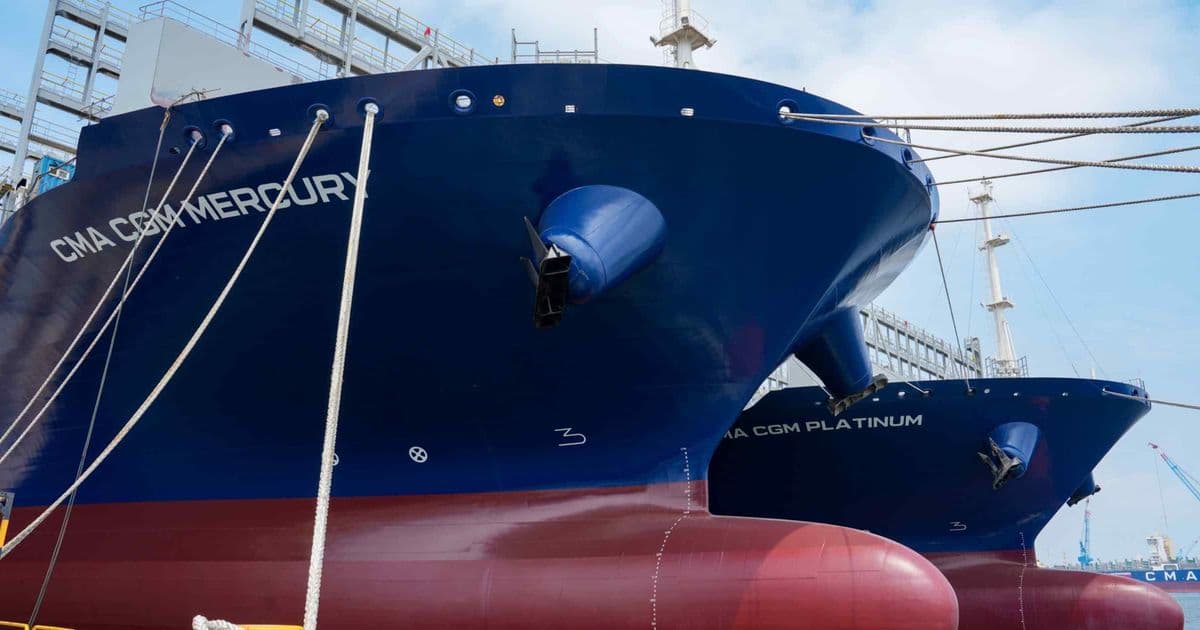
South Korean shipbuilders are capitalizing on US restrictions on Chinese vessels, with HD Hyundai and others seeing increased orders as China's market share shrinks.
South Korea's shipbuilding industry is experiencing a significant resurgence, with the country's shipbuilders capitalizing on a shifting global maritime landscape. The catalyst for this growth is a series of US restrictions on Chinese-made ships, which has led to a decline in China's market share and created opportunities for South Korean competitors.
According to recent data, South Korea, currently the world's second-largest shipbuilder, is closing the gap with China, the industry leader. This shift comes as US policies aimed at reducing dependency on Chinese manufacturing have begun to impact the global shipping industry. Companies like HD Korea Shipbuilding & Offshore Engineering are at the forefront of this trend, collecting the spillover from China's reduced orders.
The Impact of US Restrictions
The US government's decision to impose fees and restrictions on Chinese-made ships has had a ripple effect throughout the global maritime industry. These measures, part of broader trade tensions between the US and China, have made Chinese vessels less attractive to international buyers, particularly those with significant US business interests.
As a result, shipowners and operators are increasingly turning to alternative sources for their vessel needs. South Korea, with its established reputation for quality shipbuilding and strategic geographic location, has emerged as a primary beneficiary of this shift.
South Korean Shipbuilders' Advantage
South Korean shipbuilders, led by industry giants like HD Hyundai, have been quick to capitalize on the changing market dynamics. These companies have long been known for their technological prowess and ability to deliver high-quality vessels on time and within budget.
The current situation has allowed South Korean shipbuilders to showcase their capabilities on a larger scale. With increased orders coming in, these companies are not only maintaining their market position but also expanding their global footprint.
Challenges and Opportunities
While the current trend is favorable for South Korean shipbuilders, the industry is not without its challenges. Japan, another major player in the shipbuilding sector, has tight capacity that prevents it from fully capitalizing on the situation. This limitation has further solidified South Korea's position as the primary alternative to Chinese shipbuilders.
However, the increased demand also presents challenges for South Korean shipbuilders. They must balance the need to fulfill new orders with maintaining quality standards and managing production timelines. Additionally, the industry must continue to innovate and adapt to changing environmental regulations and technological advancements in maritime transport.
The Broader Maritime Industry Context
The shift in shipbuilding orders is part of a larger trend in the global maritime industry. As geopolitical tensions continue to influence trade relationships, countries and companies are reassessing their supply chains and manufacturing partnerships.
This reassessment extends beyond shipbuilding to other sectors of the maritime industry, including shipping operations, port management, and maritime technology. The current situation underscores the interconnected nature of global trade and the far-reaching impacts of trade policies.
Future Outlook
As the global maritime industry continues to evolve, South Korean shipbuilders are well-positioned to maintain their growth trajectory. The combination of US restrictions on Chinese vessels and South Korea's established reputation in shipbuilding creates a favorable environment for continued expansion.
However, the long-term sustainability of this growth will depend on several factors, including the ability of South Korean shipbuilders to meet increasing demand, ongoing geopolitical developments, and the industry's response to environmental and technological challenges.
For now, South Korea's shipbuilding industry appears to be riding a wave of opportunity, with the potential to further narrow the gap with China and solidify its position as a global leader in maritime manufacturing. As the situation continues to unfold, all eyes will be on how South Korean shipbuilders navigate this period of growth and what it means for the future of the global shipping industry.
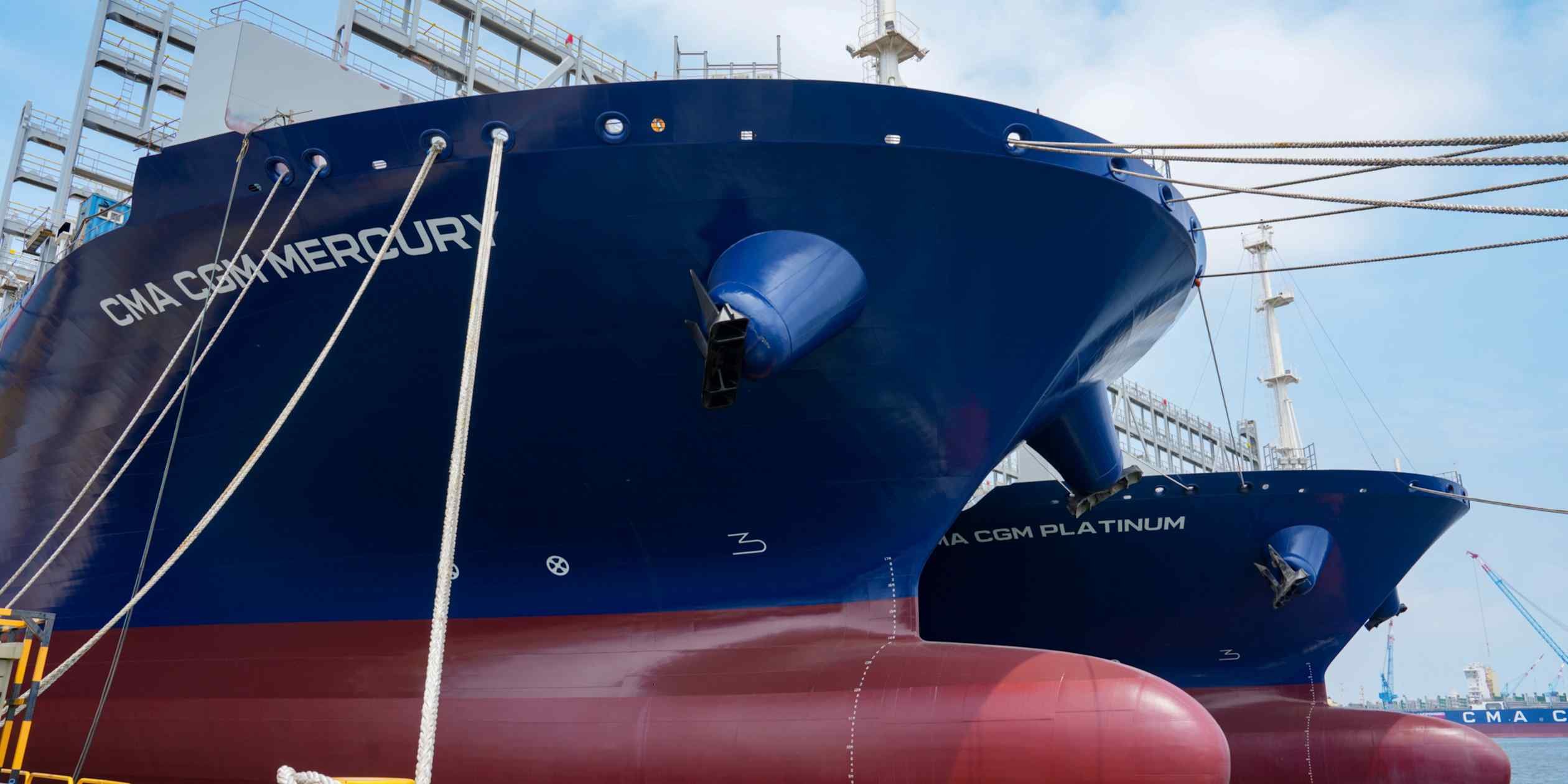
The image shows ships moored at a dock yard operated by HD Hyundai Samho in South Korea's South Jeolla province, illustrating the scale and capacity of South Korean shipbuilding operations.
Comments
Please log in or register to join the discussion