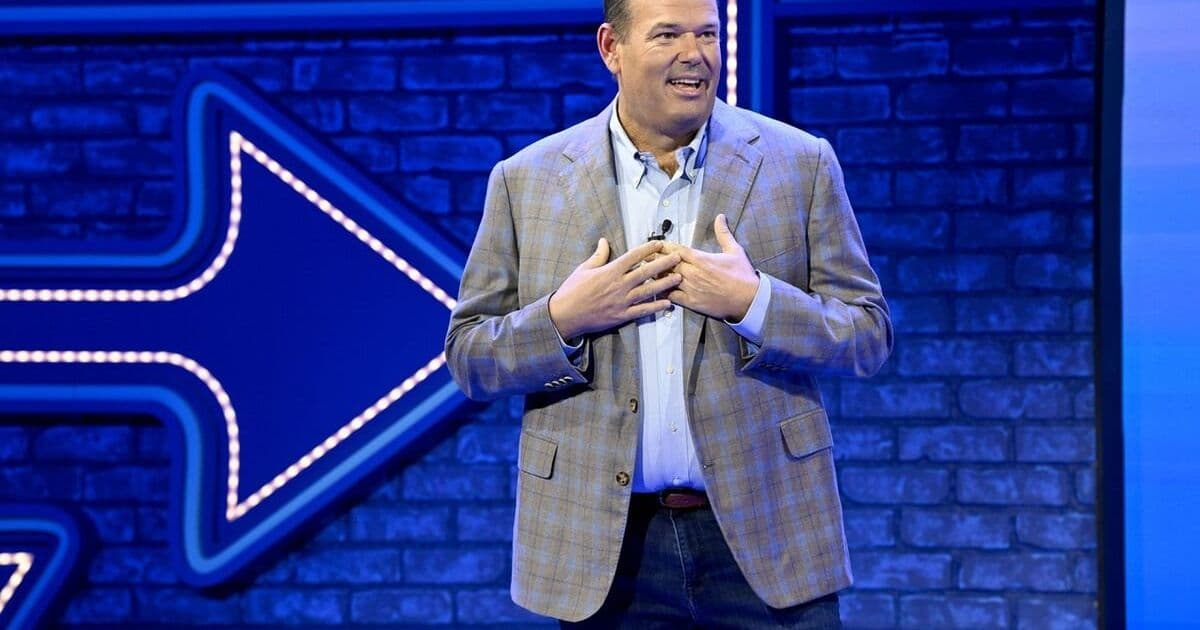
Lee Brown's abrupt exit as DoorDash's Chief Revenue Officer after less than six months raises questions about the company's strategic direction and the sustainability of its growth model. As long-term VP Shanna Prevé steps into the role, the move highlights the intense pressure on delivery platforms to balance growth, profitability, and market saturation.
The departure of a C-level executive after just six months is rarely a neutral event, especially at a company the size of DoorDash. When Lee Brown announced he was leaving to pursue a new opportunity, the news carried more weight than a routine personnel change. It reflects the turbulent environment facing gig economy platforms as they navigate post-pandemic normalization, regulatory scrutiny, and the relentless pressure to turn growth into sustainable profit.
Brown's tenure, which began in July 2025, coincided with a critical period for DoorDash. The company had just emerged from a period of explosive growth driven by pandemic-era demand, but faced mounting questions about its long-term viability. Revenue growth was slowing, competition from Uber Eats and regional players was intensifying, and investors were demanding clearer paths to profitability. As CRO, Brown was tasked with steering the company's revenue strategy through this transition—a high-stakes role with little room for error.
His replacement, Shanna Prevé, represents a different strategic choice. Prevé has been with DoorDash for years, rising through the ranks in various roles including Head of Restaurant Partnerships and later Vice President of Business Development. Her deep institutional knowledge contrasts with Brown's external hire status, suggesting DoorDash may be pivoting toward stability and continuity over aggressive expansion. This shift mirrors a broader pattern in tech: after years of prioritizing growth at all costs, companies are now emphasizing operational efficiency and sustainable unit economics.
The timing is significant. DoorDash's most recent earnings showed revenue growth decelerating to single digits, while its international expansion efforts have faced headwinds. The company's attempt to diversify beyond restaurant delivery—into grocery, convenience, and even retail—has yet to offset the slowing core business. For a CRO, these are challenging conditions. Revenue growth strategies that worked during the pandemic's peak may no longer be effective in a more competitive, saturated market.
Industry analysts have noted that DoorDash's challenges reflect the broader maturation of the delivery sector. "The gig economy's growth phase is largely over," says one venture capitalist who tracks the space. "Companies are now in the optimization phase, where every decision is scrutinized for its impact on margins. A CRO who came in expecting to drive aggressive top-line growth may find themselves with limited levers to pull."
Prevé's background suggests she understands these constraints. Her work in restaurant partnerships gave her direct experience with the platform's most critical partners—restaurants that often complain about high commission rates. Her business development role likely involved navigating complex negotiations with new verticals. This experience may be more valuable than Brown's external perspective in an environment where incremental gains matter more than bold moves.
The departure also raises questions about DoorDash's internal culture and strategic alignment. Six months is often enough for a new executive to make their mark and assess whether the company's direction matches their expertise. Brown's quick exit suggests either a mismatch in expectations or a realization that the role's challenges were greater than anticipated. For a company that has seen several high-profile executive departures in recent years, including its former COO and CFO, this pattern of rapid turnover at the top could signal deeper organizational tensions.
DoorDash's response has been characteristically measured. The company emphasized Prevé's deep knowledge of the business and her track record of building partnerships. This framing suggests stability and continuity rather than a dramatic strategic shift. Yet the underlying reality is that the company is operating in a fundamentally different environment than when it went public in 2020.
The delivery market has become increasingly fragmented. While DoorDash maintains a dominant position in the United States, its market share has been eroded by competitors focusing on specific niches—quick commerce, premium delivery, or regional specialties. At the same time, restaurants are increasingly building their own delivery capabilities, reducing their dependence on third-party platforms. Regulatory pressures are mounting, with several cities considering caps on delivery fees or mandating minimum wages for gig workers.
For a CRO, these trends create a complex puzzle. How do you grow revenue when your core market is saturated? How do you expand into new verticals without diluting focus? How do you maintain relationships with restaurant partners while protecting your own margins? These are not questions with easy answers, and they require a leader who can navigate both strategic vision and operational detail.
Prevé's appointment suggests DoorDash may be prioritizing the latter. Her experience in partnerships and business development indicates a focus on strengthening existing relationships and finding incremental growth opportunities rather than pursuing dramatic new initiatives. This approach may be more sustainable in the current environment, but it also carries risks. A more conservative strategy could leave DoorDash vulnerable to more aggressive competitors or disruptors.
The broader lesson from Brown's departure may be about the changing nature of executive roles in tech. The era of hiring external executives to drive explosive growth is giving way to a preference for internal leaders who understand the company's culture and operational realities. This shift reflects a maturing industry where execution matters more than vision, and where the ability to optimize existing businesses is more valuable than the ability to build new ones from scratch.
For DoorDash, the path forward likely involves a careful balance. The company must continue to innovate and explore new opportunities, but it also needs to demonstrate that its core business can generate sustainable profits. Prevé's leadership will be tested by her ability to navigate this balance—maintaining growth while improving margins, strengthening partnerships while defending market position, and building for the long term while delivering for shareholders in the short term.
The delivery platform's next earnings report will provide the first real test of this new leadership dynamic. Investors will be watching closely to see whether Prevé's deep institutional knowledge translates into tangible results, and whether DoorDash has found the right leader for its current challenges. In the meantime, Brown's rapid departure serves as a reminder that in today's tech landscape, even the most senior roles come with no guarantee of longevity.
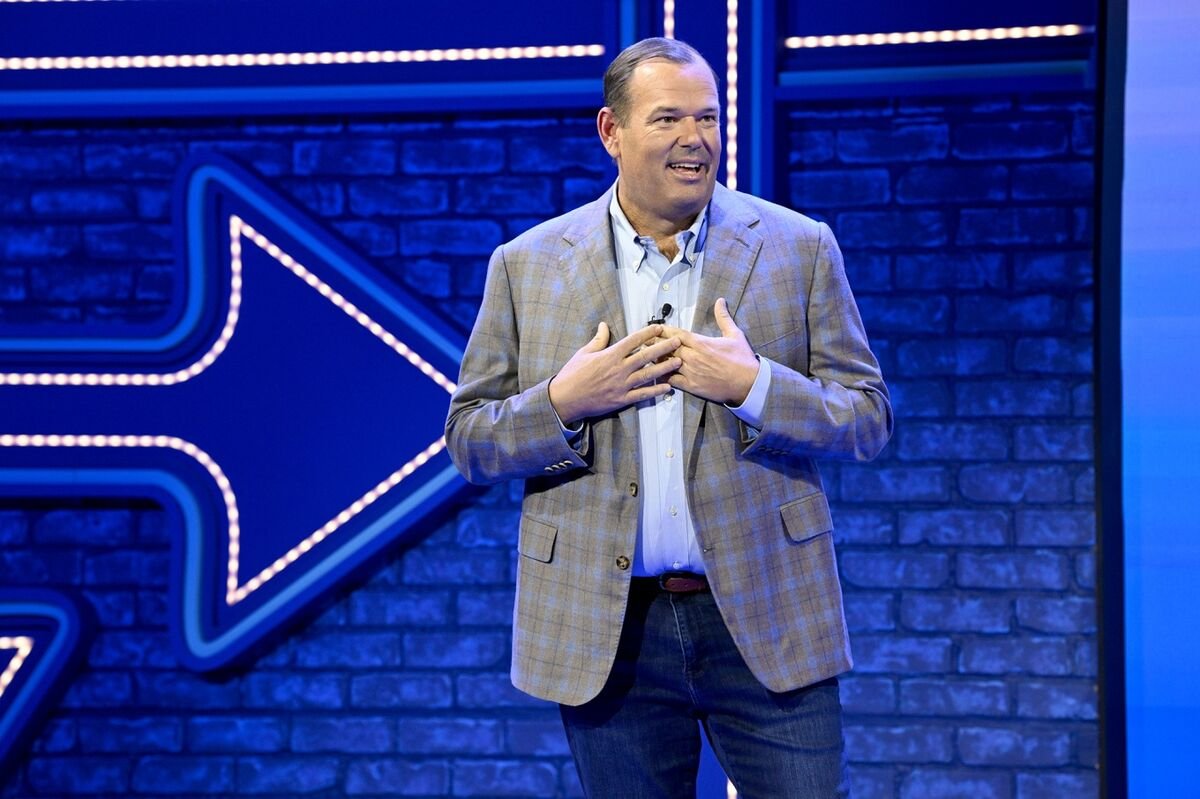
The image above captures the essence of DoorDash's operational reality: a complex logistics network that must balance efficiency, cost, and customer satisfaction. As the company navigates its next phase of growth, the challenge will be maintaining this balance while proving to investors that it can build a durable, profitable business.
Ultimately, the story of DoorDash's CRO transition is about more than one executive's departure. It's about the evolution of an entire industry sector as it moves from growth to maturity, from disruption to sustainability. The companies that succeed in this new phase will be those that can adapt their strategies, refine their operations, and build lasting value for all stakeholders—customers, employees, partners, and shareholders alike.
For DoorDash, that journey now begins with Shanna Prevé at the helm of revenue strategy. Her success or failure will be measured not just in top-line growth, but in the company's ability to demonstrate that the delivery model can work as a sustainable business, not just a pandemic-era convenience. The stakes are high, and the timeline for results is shorter than ever.
Comments
Please log in or register to join the discussion