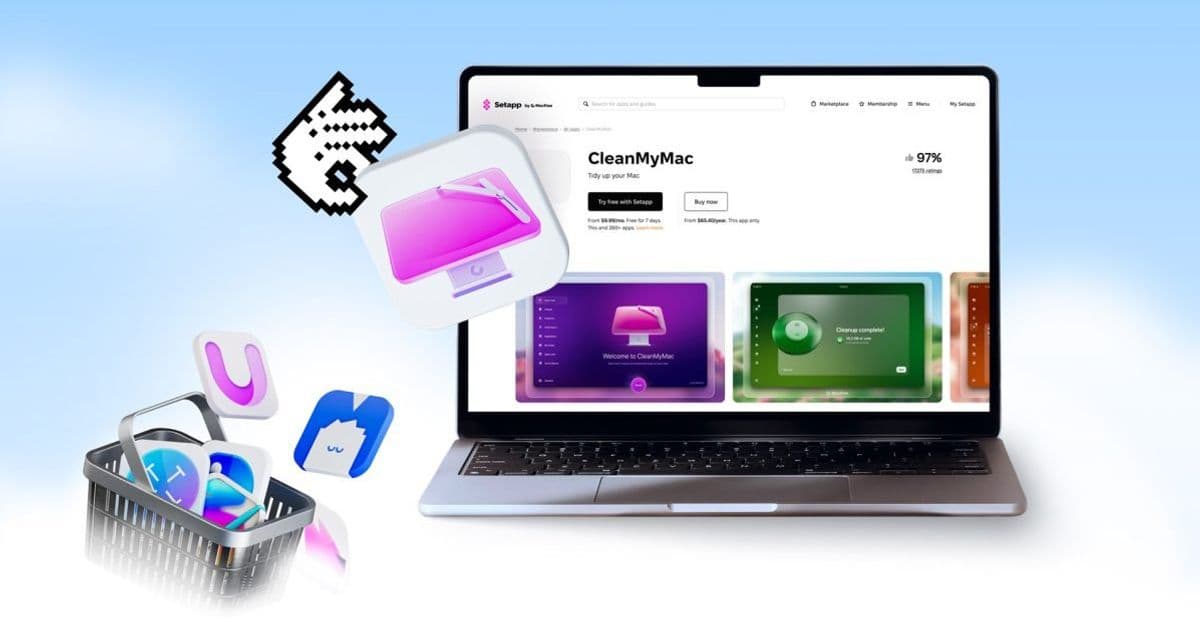
Setapp now offers standalone subscriptions and one-time purchases for select apps, marking a major shift from its all-you-can-eat subscription model to a more flexible marketplace approach.
Starting today, Setapp is transforming from a pure subscription service into a hybrid marketplace, allowing users to purchase or subscribe to individual apps without requiring a full Setapp membership. This marks a significant evolution for the platform that launched in 2017 with a simple premise: access to over 60 Mac apps for a flat $9.99 monthly fee.
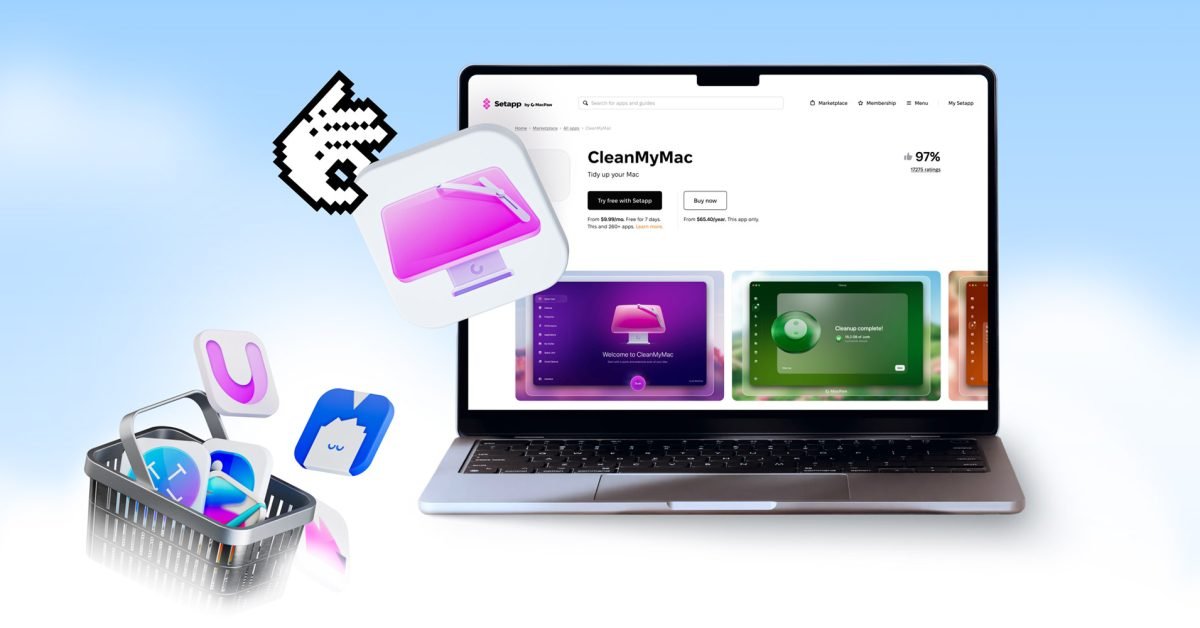
The new model introduces standalone purchase options for select applications, including popular titles like Bartender, Downie, and AlDente Pro, as well as MacPaw's own suite of tools such as CleanMyMac, Moonlock, and Gemini 2. Users can now choose from monthly, yearly, or one-time purchase plans directly through their Setapp accounts.
This shift addresses a long-standing limitation of the Setapp model. While the all-you-can-eat approach worked well for power users who regularly explored new tools, it created friction for those who primarily used one or two apps. The new flexibility means users can now access their favorite tools without committing to the full subscription.
According to MacPaw CEO Oleksandr Kosovan, the change reflects how people actually use software: "We know that people use apps differently, with some using one tool every day while others want to explore and try out many." The company positions this as "our first meaningful step into transforming Setapp into an open ecosystem marketplace – one where users can discover, purchase, and use third-party tools and AI-powered solutions."
Currently, over 60 apps participate in the new single-app purchase model, with MacPaw promising to announce additional applications on a regular basis. The company also plans to extend these purchase options to apps not included in the full Setapp membership later this year, potentially creating a two-tier system where some apps are available only through individual purchase.
For existing Setapp subscribers, the change appears additive rather than disruptive. The full subscription model remains available, and users can still access the entire catalog of over 240 apps across Mac, iOS, and web platforms. The new purchase options simply provide an alternative path for users who prefer app-specific ownership or have specific tool requirements.
The timing of this shift is noteworthy given broader industry trends. As software increasingly moves toward subscription models, Setapp's hybrid approach could appeal to users experiencing subscription fatigue. It also positions the platform competitively against traditional app stores by offering more flexible payment options while maintaining the discovery benefits of a curated marketplace.
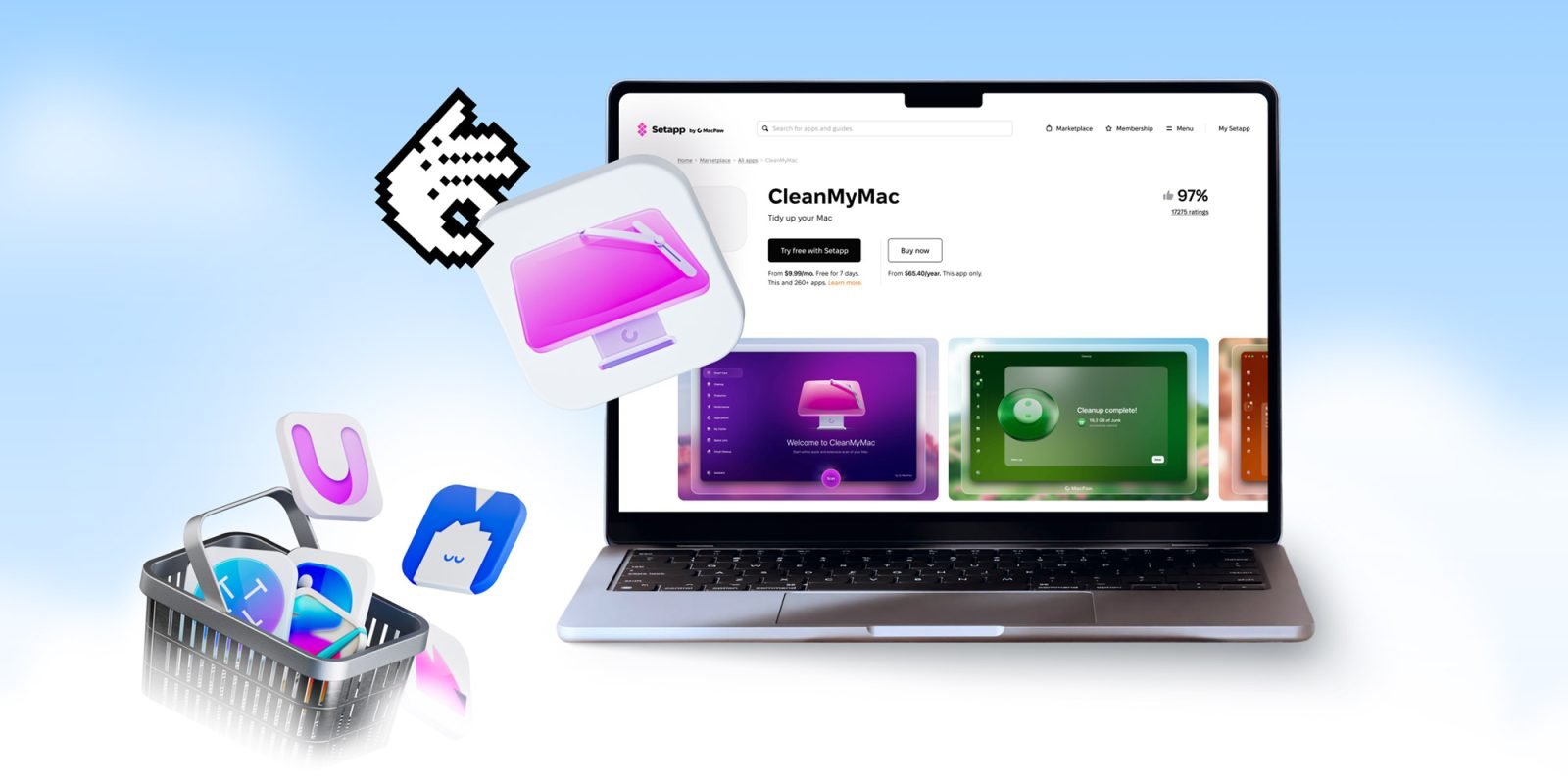
For users interested in exploring the new purchase options, Setapp continues to offer a free seven-day trial. The platform's expansion beyond pure subscription could signal a broader shift in how software is distributed and monetized, particularly for utility and productivity applications that users rely on daily but may not need constant updates or cloud services.
The success of this model will likely depend on how well MacPaw balances the needs of different user segments – those who want unlimited access versus those who prefer paying only for what they use. If successful, it could influence other software marketplaces to adopt similar hybrid approaches, potentially reshaping the software distribution landscape.
Comments
Please log in or register to join the discussion