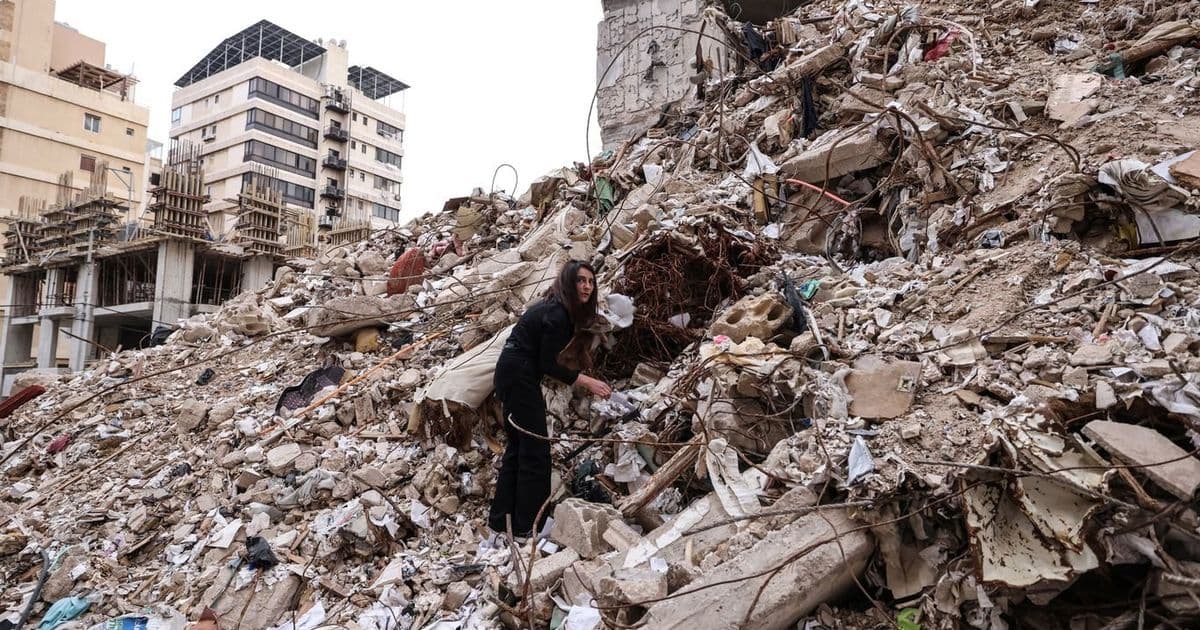
A senior Lebanese diplomat conveyed to Washington that Hezbollah has signaled willingness to accept a comprehensive cease‑fire, a development that could reshape regional security calculations and affect reconstruction financing for Lebanon.
Business news
A senior Lebanese government official informed U.S. diplomats on Tuesday that Hezbollah is prepared to agree to a full cease‑fire with Israel, should diplomatic channels open a viable framework. The statement, relayed by the official to the State Department, marks the first public acknowledgment from Beirut that the militant group is willing to step back from the current escalation that began on Oct. 7, 2023.
Market context
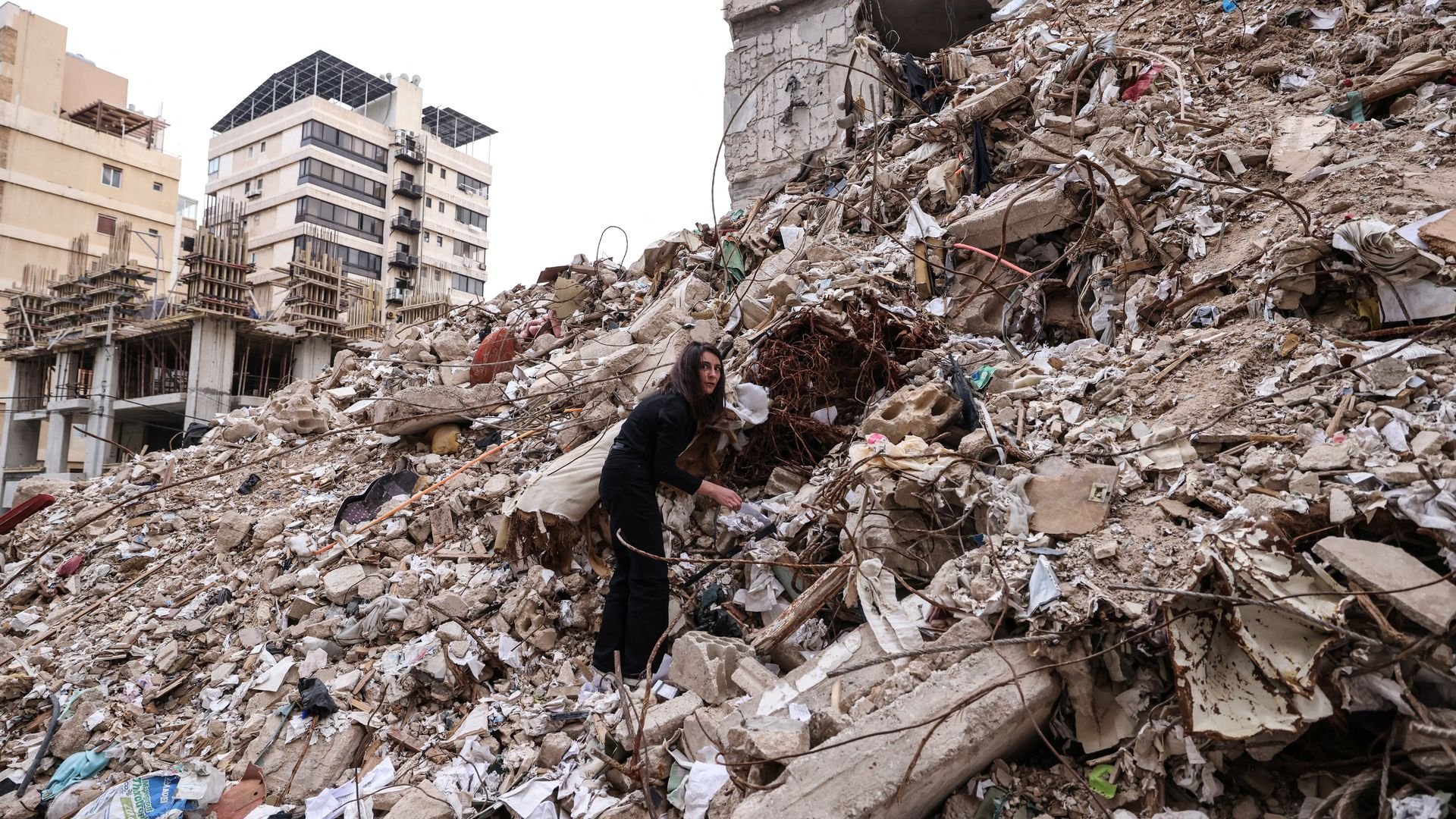
The conflict has already cost Lebanon an estimated $3.2 billion in direct damage to infrastructure, according to the World Bank’s latest damage assessment. Reconstruction financing, which the Lebanese central bank had hoped to secure through a $5 billion IMF‑backed package, remains stalled because donors cite security concerns.
A credible cease‑fire could unlock several financing streams:
- International donors: The European Union has earmarked €1.2 billion for post‑conflict reconstruction, contingent on a stable security environment.
- Private capital: Lebanese banks, which have seen their non‑performing loan ratio rise from 12 % to 18 % since the war’s onset, are likely to resume lending to infrastructure projects if the risk premium falls.
- Diaspora remittances: Remittances, which typically account for roughly 15 % of Lebanon’s GDP, have dipped from $4.5 billion in 2022 to $3.2 billion this year, reflecting investor wariness. A cease‑fire could restore confidence and bring those flows back to pre‑conflict levels.
The broader Middle‑East equities market has responded positively to any hint of de‑escalation. The MSCI Middle East Index rose 0.8 % on the news, while the FTSE World Government Bond Index saw yields on Lebanese sovereign debt tighten by 12 basis points, signaling modest investor optimism.
What it means
- Reduced security risk for reconstruction firms – Companies such as Bechtel and Arab Contractors have been hesitant to submit bids for rebuilding Lebanon’s power grid and port facilities. A cease‑fire could lower the risk premium they apply, potentially cutting project costs by 5‑7 %.
- Potential acceleration of IMF negotiations – The IMF has repeatedly warned that a “stable security environment” is a prerequisite for disbursement of the next tranche of its $12 billion program. Hezbollah’s willingness to halt hostilities could give Lebanese negotiators leverage to meet the IMF’s conditionalities.
- Shift in regional investment flows – Saudi Arabia and the United Arab Emirates have been monitoring the conflict closely, with the UAE’s sovereign wealth fund reportedly holding $1.1 billion in tentative commitments for Lebanese real‑estate and tourism projects. A cease‑fire would likely convert those commitments into firm contracts.
- Impact on Israel’s defense budgeting – If hostilities end, Israel may redirect a portion of its $20 billion annual defense budget toward border security technology, such as advanced radar and unmanned aerial systems, creating a niche market for defense contractors.
While the official’s remarks suggest a diplomatic opening, the path to a durable cease‑fire remains fraught with “implementation details” – including the status of Hezbollah’s cache of rockets, the fate of Israeli‑occupied villages, and the role of third‑party mediators like Qatar and the United Nations.
Investors should monitor the next round of talks in Washington and the upcoming UN Security Council briefing scheduled for next week. A concrete cease‑fire agreement could trigger a rally in Lebanese sovereign bonds and a surge in reconstruction‑related equities, while a breakdown would likely reverse those gains and keep the region in a prolonged state of uncertainty.
Comments
Please log in or register to join the discussion