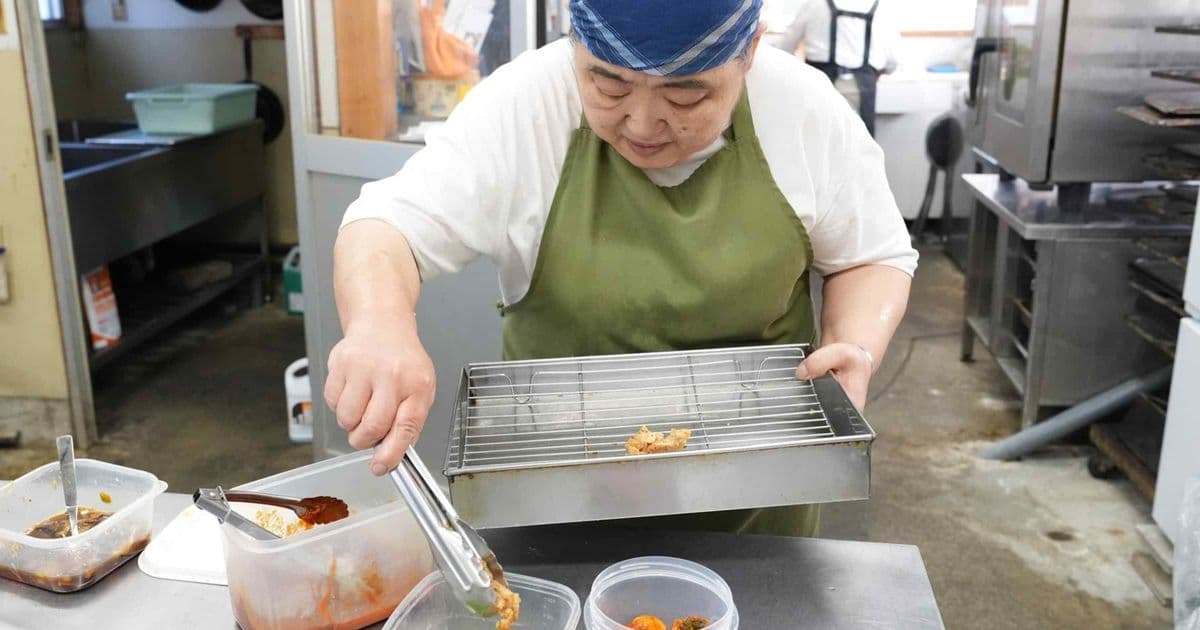
Rising naphtha costs tied to the Middle‑East conflict are inflating the price of plastic takeout containers, forcing Japanese bento and bakery operators to ask customers to bring their own packaging, absorb higher input costs, or risk losing sales.
Business news
Japan’s network of takeout eateries – from bento stalls in regional cities to urban bakeries – is confronting a sudden shortage of cheap plastic containers and bags. The root cause is a sharp rise in the price of naphtha, the petroleum feedstock used to produce most single‑use plastics. Since the outbreak of hostilities in the Middle East, naphtha spot prices have jumped from roughly ¥1,200 per tonne in early 2025 to over ¥2,600 per tonne in May 2026, a more than 100% increase.
Retailers report that the cost of a standard 500 ml takeout container has risen from ¥12‑¥14 to ¥25‑¥28, while the price of a disposable bag has climbed from ¥4 to ¥9. Small‑scale operators, who typically purchase in bulk to keep unit costs low, are finding it difficult to pass these hikes onto price‑sensitive consumers.
Market context
Naphtha is a by‑product of crude‑oil refining and a key input for the petrochemical sector. The ongoing Iran‑UAE conflict has disrupted supply chains in the Persian Gulf, a region that accounts for about 30% of global naphtha production. Simultaneously, sanctions on Iran have limited its export capacity, tightening global inventories.
Japan, which imports roughly 70% of its naphtha needs, has seen its import bill swell from ¥1.1 trillion in 2024 to an estimated ¥1.8 trillion for the first half of 2026. While U.S. refiners have increased output, logistical bottlenecks and shipping delays mean that the additional supply has not yet alleviated price pressure in Asian markets.
The food‑service sector is uniquely vulnerable because it relies heavily on low‑cost, single‑use packaging to meet hygiene standards and rapid service expectations. According to the Japan Food Service Association, over 60% of takeout transactions involve a plastic container, and more than 40% of small bakeries use disposable bags for on‑the‑go purchases.
What it means
Cost absorption and margin compression – A mid‑size bento chain that generates ¥3 billion in annual sales disclosed that the naphtha‑driven price rise would shave ¥120 million off its operating profit if it kept retail prices unchanged. Larger operators with greater bargaining power may negotiate better terms with suppliers, but smaller shops face a stark choice between raising prices or absorbing the hit.
Shift toward BYO packaging – Several municipalities, including Yamanashi prefecture, have begun promoting a “bring‑your‑own‑plastic” (BYOP) campaign. Shops are placing signage encouraging customers to reuse containers, a practice that could reduce plastic demand by up to 15% for participating outlets.
Accelerated move to alternative materials – The shortage is prompting a modest uptick in orders for paper-based or biodegradable containers. However, these alternatives are currently 30‑40% more expensive and less suited to hot foods, limiting their immediate scalability.
Potential regulatory ripple effects – The Ministry of Economy, Trade and Industry is monitoring the situation, and there are early discussions about temporary subsidies for small food‑service firms to offset plastic costs. Any policy response could reshape the competitive dynamics between chain operators and independent retailers.
Consumer behavior adjustment – Early surveys indicate that roughly 22% of regular takeout customers are willing to pay a small premium (¥5‑¥10 per container) for reusable packaging, suggesting a niche market for premium, eco‑friendly containers.
Overall, the naphtha price shock underscores how geopolitical events can quickly translate into operational challenges for seemingly unrelated sectors. Japanese takeout shops will need to balance short‑term cost pressures with longer‑term sustainability trends, either by adopting BYOP practices, investing in higher‑cost alternatives, or lobbying for government support.
Comments
Please log in or register to join the discussion