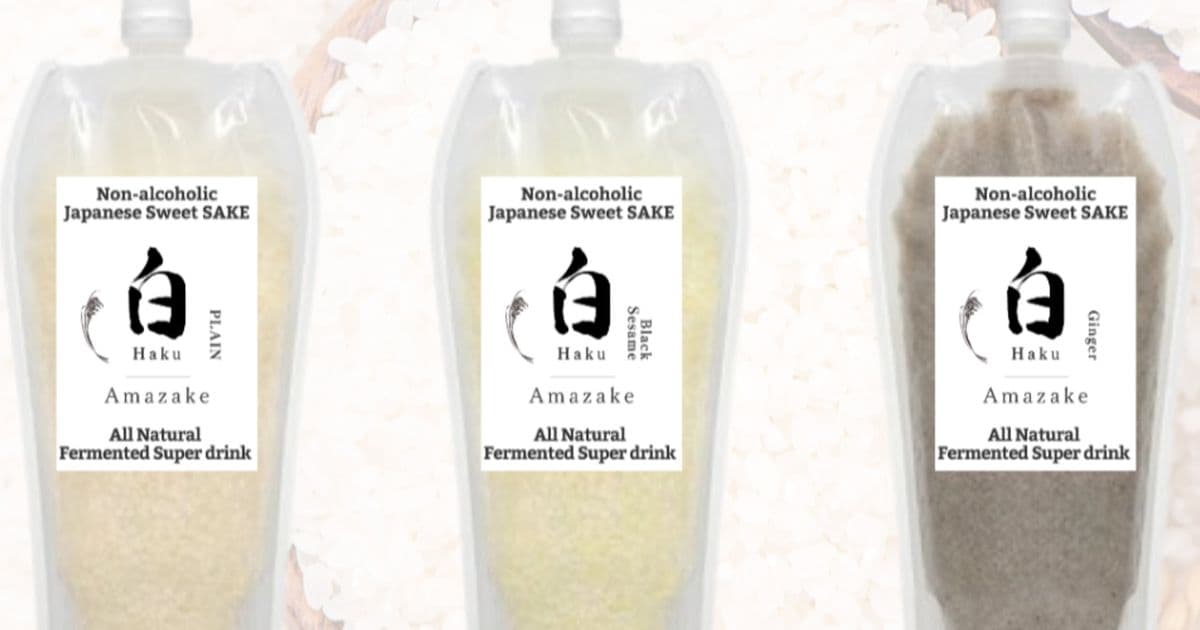
Ferment Base, a Japanese startup specializing in fermented foods, is launching its non‑alcoholic rice beverage, Haku, in California and establishing a Pacific hub in Saipan. The move taps a $7 billion U.S. functional‑beverage market and could position the company for rapid scale as gut‑health claims drive consumer spending.
Business news
Japan’s Ferment Base Co. announced on June 2 that it will begin exporting its rice‑based fermented drink, Haku, to the United States. The product will debut in California through a partnership with a local distributor, and the company is setting up a new operating unit on Saipan, a U.S. territory, to serve as a logistics hub for the West Coast. Haku is marketed as a “super drink” that supports gut health and is offered in three flavors – plain, black sesame and ginger – all of which contain no alcohol and are sweetened naturally with a modest amount of rice malt.
Market context
The functional‑beverage segment in the United States is projected to reach $7 billion by 2028, growing at a compound annual growth rate (CAGR) of 8 % since 2023. Within that segment, fermented drinks such as kombucha, kefir and traditional Japanese amazake have seen double‑digit sales increases, driven by consumer interest in microbiome‑friendly products. Nielsen data shows that sales of fermented non‑alcoholic beverages rose 15 % year‑over‑year in 2025, outpacing overall beverage growth of 4 %.
Ferment Base’s entry aligns with two macro trends:
- Gut‑health premiumization – a 2025 survey by the International Food Information Council found that 62 % of U.S. adults consider gut health a primary factor when choosing a beverage, and they are willing to pay up to 20 % more for products with proven probiotic content.
- Asian‑origin functional drinks – imports of Japanese fermented drinks have grown from $12 million in 2020 to $48 million in 2024, indicating a rising familiarity with the category among American consumers.
Financially, Ferment Base raised ¥1.2 billion (≈ $8.5 million) in a Series A round last year, with participation from a venture arm of a major Japanese beverage conglomerate. The capital is earmarked for scaling production capacity in its Utsunomiya plant and for the Saipan logistics hub, which is expected to reduce U.S. shipping costs by roughly 30 % compared with direct shipments from Japan.
What it means
The Saipan unit gives Ferment Base a foothold in a U.S. customs territory, simplifying regulatory compliance for food‑grade imports and allowing quicker response to regional demand spikes on the West Coast. By locating the hub in a low‑tax jurisdiction, the company can also preserve margins that would otherwise be eroded by import duties and distribution fees.
If Haku captures even 1 % of the U.S. functional‑beverage market – roughly $70 million in annual sales – Ferment Base could achieve profitability within three years, assuming a gross margin of 45 % typical for premium fermented drinks. The move also positions the startup to leverage its existing R&D pipeline, which includes a low‑sugar, high‑protein variant slated for a 2027 launch.
Strategically, the expansion signals a broader shift among Japanese food‑tech firms: moving from domestic niche markets toward global distribution channels that value scientifically backed health claims. Competitors such as Kombucha Co. and Kefir Works have already secured shelf space in major U.S. retailers, suggesting that Ferment Base will need to secure strong retail partnerships or adopt a direct‑to‑consumer model to gain traction.
Overall, Ferment Base’s U.S. rollout illustrates how a focused product—non‑alcoholic, rice‑based, probiotic‑rich—can ride the wave of gut‑health consumer spending while exploiting logistical advantages offered by a Pacific hub. Success will hinge on effective brand positioning, transparent probiotic labeling, and the ability to scale production without compromising the delicate fermentation process.
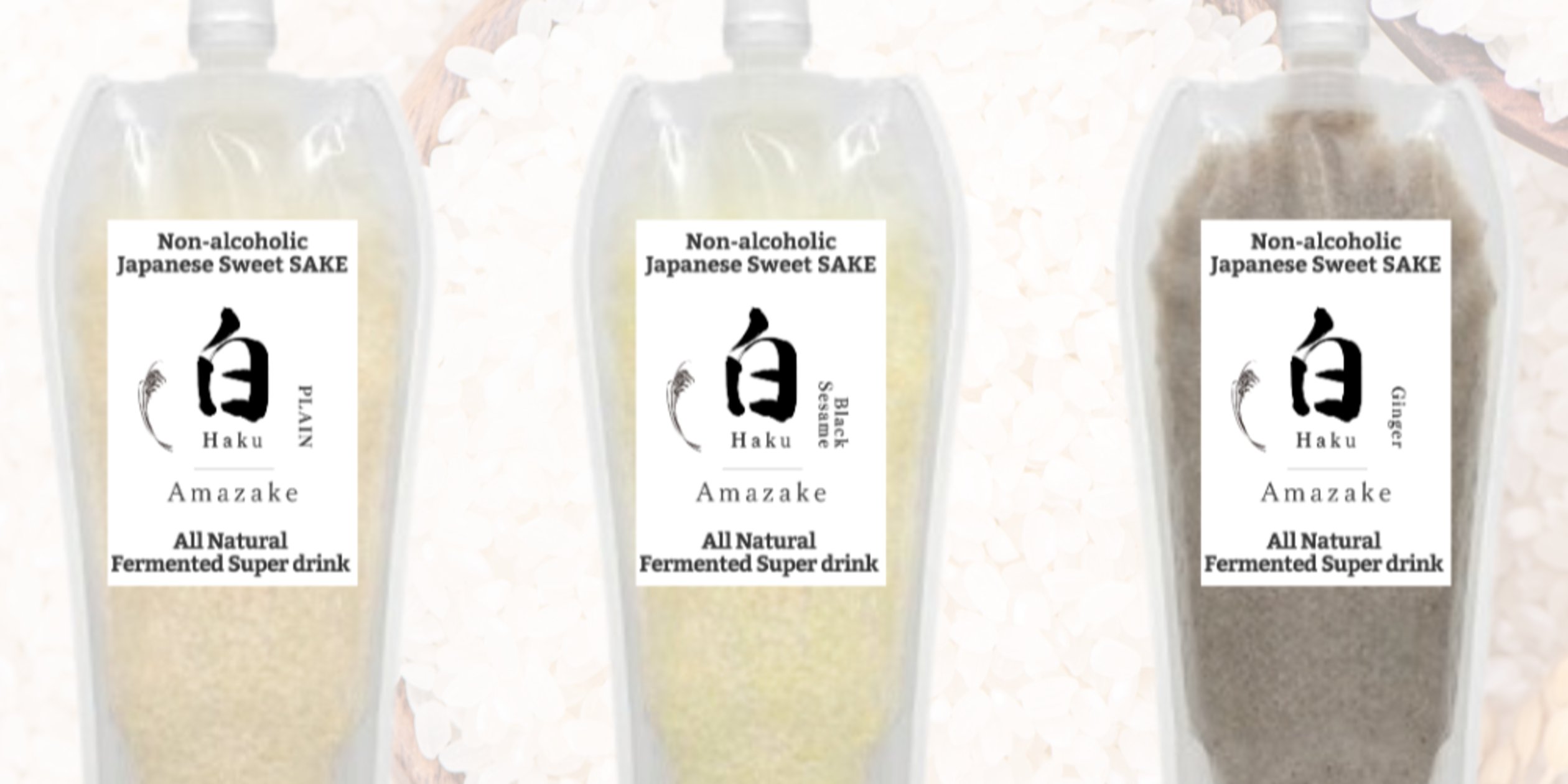
The image shows a bottle of Haku on a Californian beach backdrop, emphasizing the brand’s new market focus.
Comments
Please log in or register to join the discussion