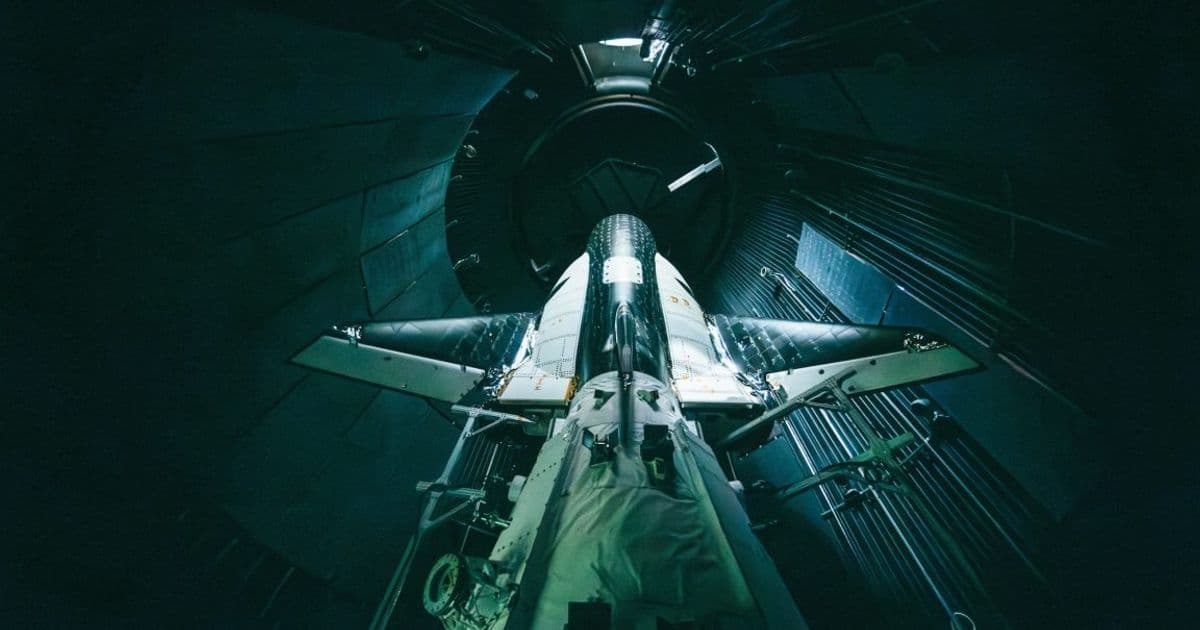
Sierra Space's winged Dream Chaser spacecraft faces further delays, missing its 2025 launch window due to critical software certification and propulsion system challenges. NASA's cautious approach, informed by Boeing's Starliner setbacks, demands rigorous end-to-end testing before the vehicle can approach the ISS. The decades-long development highlights the complexities of commercial spaceflight even for veteran players.
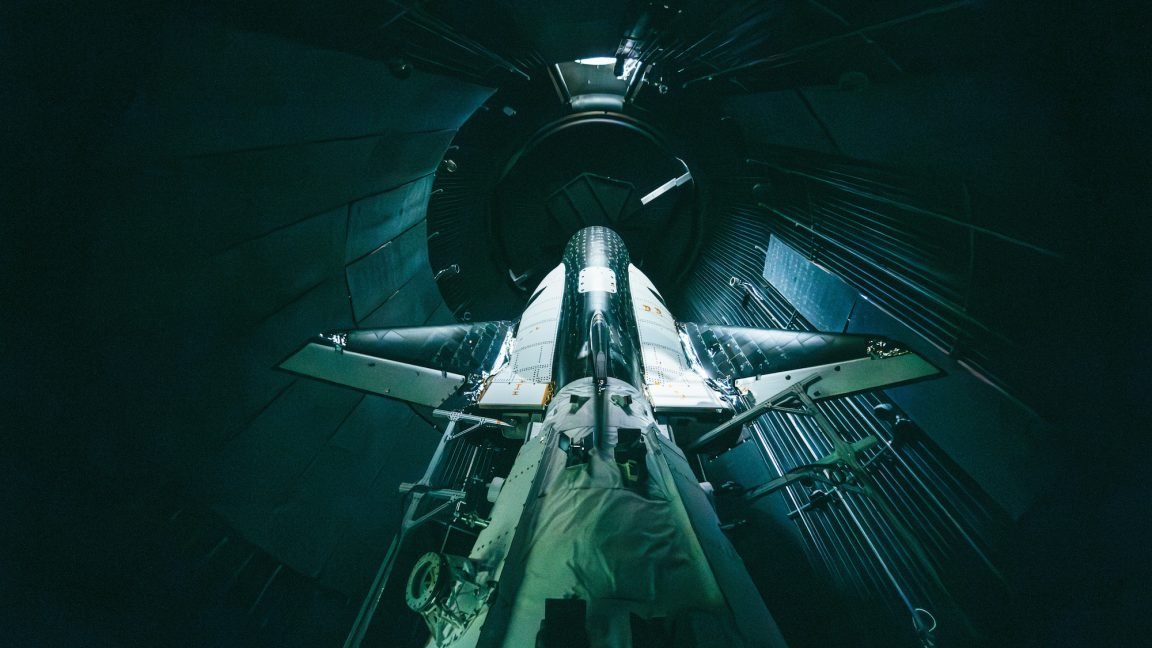
For over two decades, Sierra Space's Dream Chaser has captured imaginations with its Space Shuttle-inspired winged design, promising a new era of runway landings for orbital spacecraft. Yet, as senior NASA official Dana Weigel (International Space Station Program Manager) recently stated, "We will be ready for them when they're ready to fly" – a diplomatic but telling acknowledgment that the vehicle's long-awaited maiden flight remains grounded. The hurdles? Primarily software certification and a novel, environmentally friendly propulsion system proving tougher to master than anticipated.
Weigel's briefing revealed critical insights into the delays:
- Software Scrutiny Intensifies: NASA is mandating exhaustive end-to-end software testing, a lesson hard-learned from Boeing's Starliner software anomalies during its 2019 debut. "You've got to test end-to-end all the different software functions. So that's a big focus area for them," Weigel emphasized. This reflects a heightened agency focus on software reliability for human-tended facilities like the ISS.
- "Green" Propulsion Proves Problematic: Dream Chaser relies on over two dozen kerosene/hydrogen peroxide engines instead of traditional hypergolic propellants, chosen specifically for safer post-landing operations without hazmat suits. Former Sierra CEO Tom Vice previously acknowledged the difficulty: "That was hard, I have to say." Weigel confirmed this system's certification remains "ongoing," with integrated safety reviews incomplete.

NASA's Dana Weigel emphasized the rigorous certification process Dream Chaser must undergo. Photo: Eric Berger/Ars Technica
The delays are forcing Sierra Space to consider significant mission alterations. Sources indicate the company is evaluating a modified first flight:
- Original Plan: Approach, be captured, and berth with the ISS.
- New Option: A "flyby" mission bringing Dream Chaser near the station to test critical systems (especially propulsion) without attempting berthing. This would provide vital flight data to satisfy NASA and partner agencies for a berthing attempt on a subsequent mission, potentially accelerating the overall certification path but requiring contract modifications.
Beyond internal technical challenges, external factors compound the delay:
- Vulcan Launch Vehicle Availability: Dream Chaser was slated for the second flight of ULA's new Vulcan rocket. While Vulcan's first national security launch is imminent, its busy manifest for the Space Force creates uncertainty about when a rocket will be available for Sierra. Dream Chaser's unreadiness last year already caused Vulcan's second flight to carry a mass simulator instead.
Why This Matters Beyond the Delay: Dream Chaser's protracted development underscores the immense difficulty of spacecraft design, even with NASA backing and decades of concept work. The focus on non-toxic propellants represents a commendable push for operational safety and environmental responsibility in space access, but it comes with significant engineering trade-offs. Furthermore, NASA's insistence on rigorous software validation highlights the evolving and critical nature of software as spacecraft systems become more complex. Sierra Space isn't just building a cargo vehicle; it's navigating the intricate balance between innovation, safety, and the harsh realities of orbital mechanics and certification – a testament that the dream of routine, shuttle-like spaceflight remains a formidable engineering challenge.
Source: Sierra Space's Dream Chaser faces further delays (Ars Technica, August 2025)
Comments
Please log in or register to join the discussion