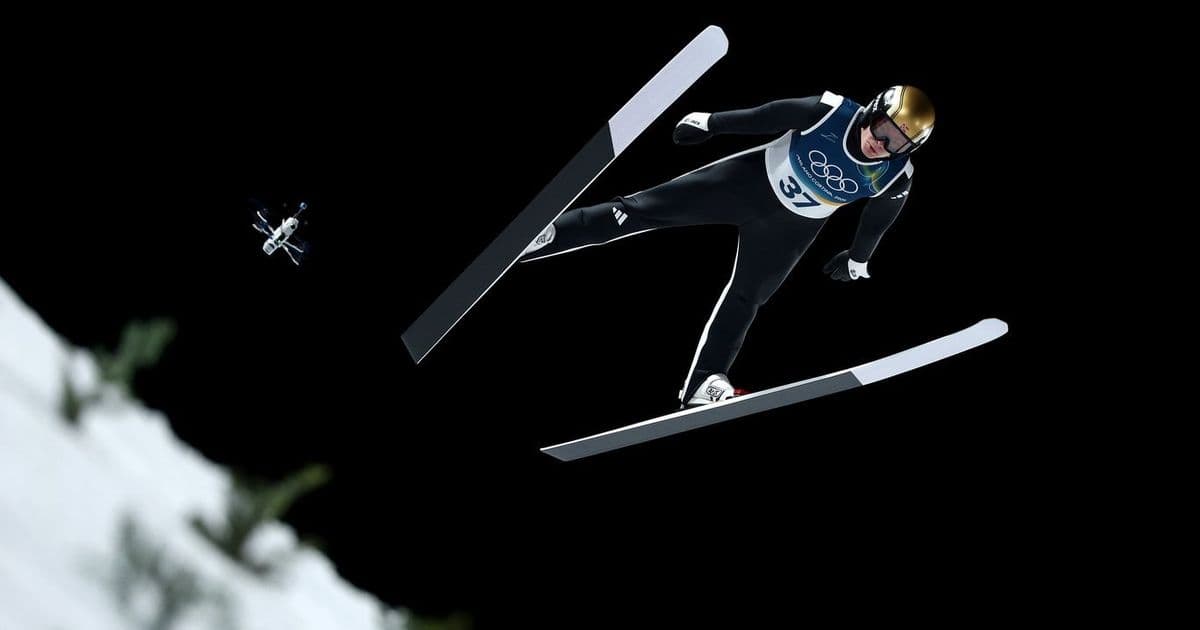
The Milano Cortina 2026 Winter Olympics are using drone technology to capture dynamic footage of athletes, offering viewers unprecedented perspectives on the competition.
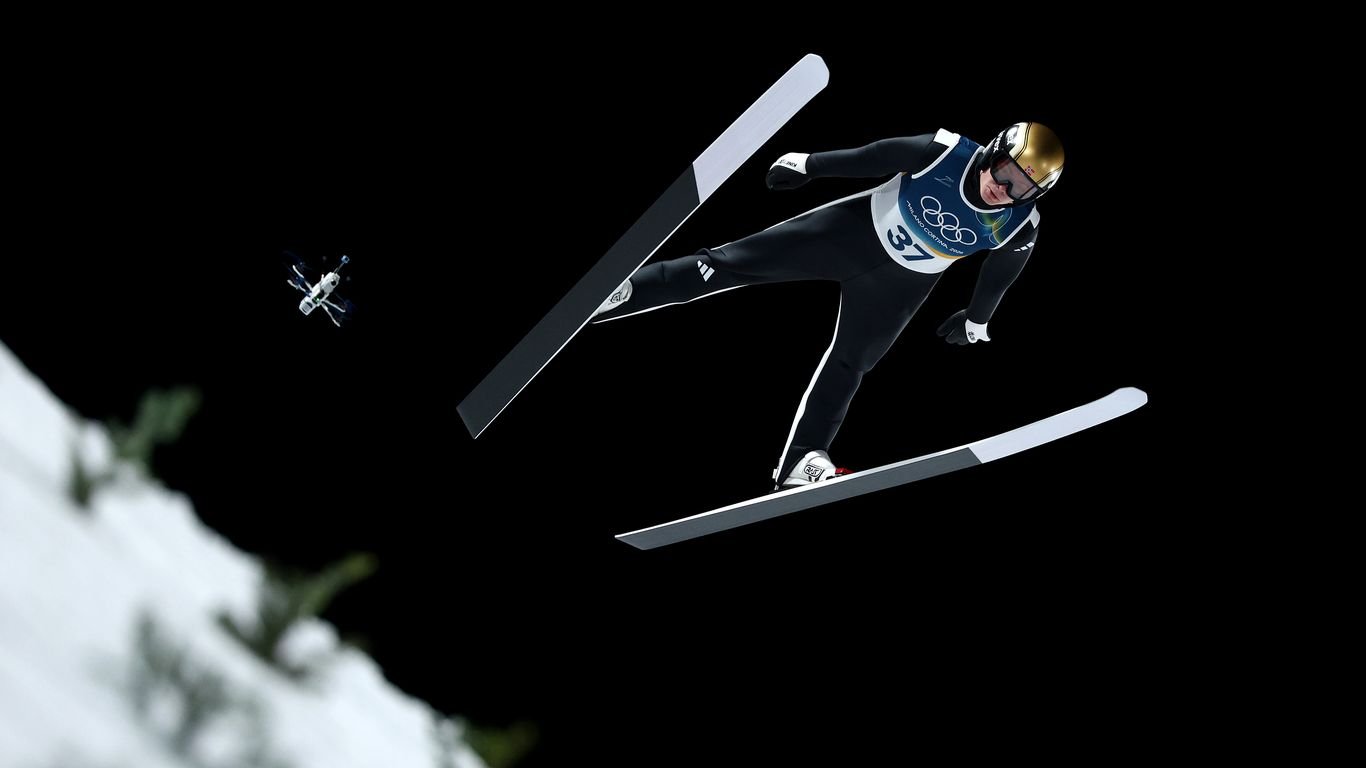
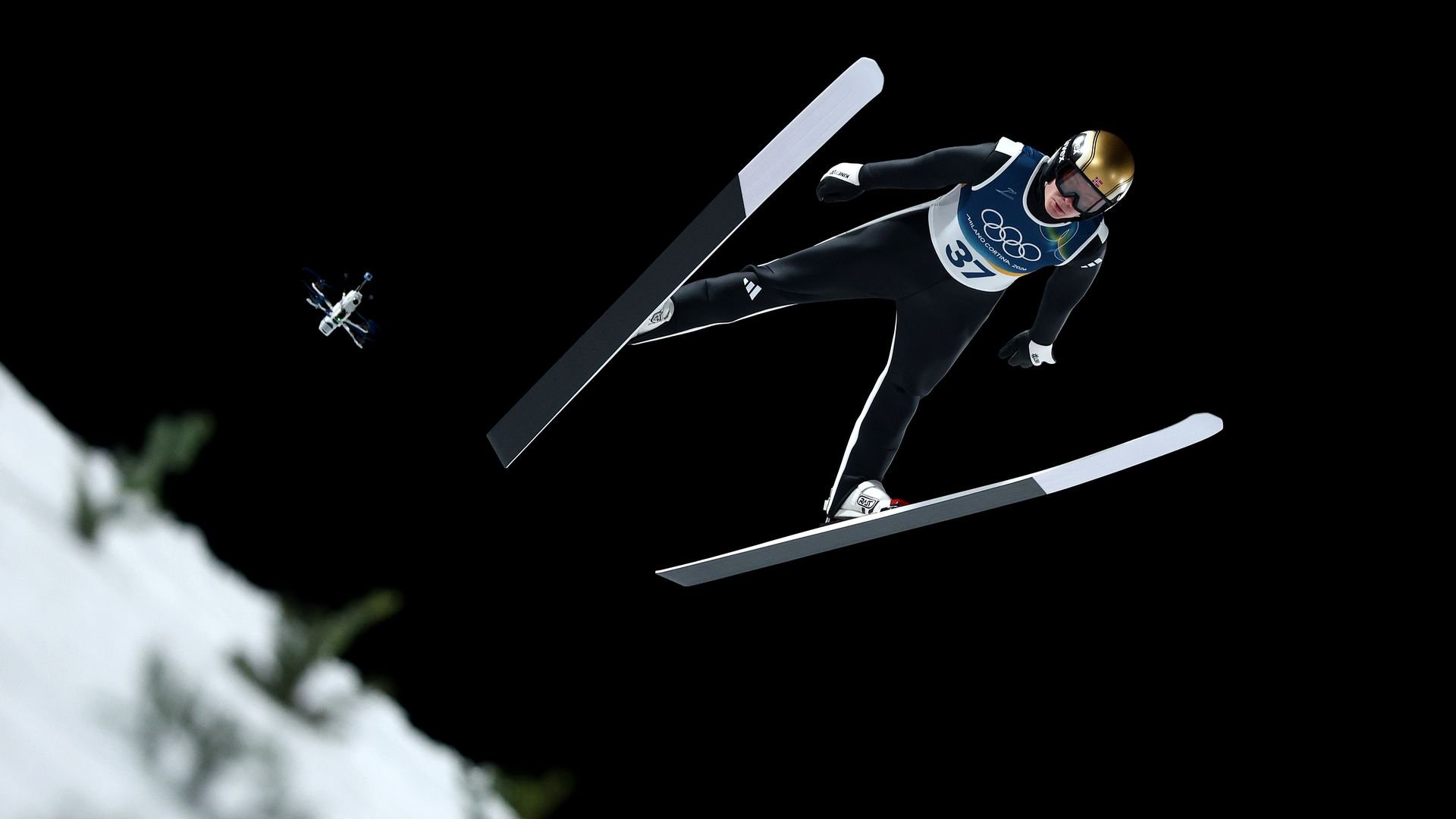
The Milano Cortina 2026 Winter Olympics are showcasing how drone technology is revolutionizing sports broadcasting, offering viewers unprecedented perspectives on athletic performances. During the ski jumping events, drones have been deployed to capture dynamic footage of athletes like Marius Lindvik of Team Norway, providing angles that were previously impossible or prohibitively expensive to achieve.
This technological advancement represents a significant shift in how Olympic events are filmed and presented to global audiences. Traditional camera setups, while effective, often limit viewers to fixed positions or require complex crane systems that can only capture certain angles. Drones, however, can follow athletes through their entire performance, from takeoff to landing, offering a continuous, immersive view that puts viewers right in the action.
The use of drones at the Winter Olympics isn't just about novelty—it's about enhancing the viewer experience and providing new insights into the technical aspects of winter sports. For ski jumping, in particular, the drone footage reveals the subtle body movements and positioning that athletes use to maximize distance and style points. These details, often lost in traditional broadcast angles, are now visible to both casual viewers and sports analysts alike.
Beyond ski jumping, drones are being utilized across multiple Winter Olympic venues. In alpine skiing events, drones can track racers down the mountain, capturing the speed and precision of their runs. For snowboarding and freestyle skiing competitions, drones provide unique perspectives on aerial maneuvers and landings that showcase the athleticism and artistry of these sports.
The implementation of drone technology at the Olympics also reflects broader trends in sports broadcasting. As audiences increasingly expect more engaging and interactive viewing experiences, broadcasters are investing in technologies that can deliver content in new and exciting ways. The success of drone footage at the Milano Cortina Games may influence how future sporting events are covered, potentially making drone-based cinematography a standard rather than an exception.
However, the use of drones in Olympic venues also presents challenges. Strict safety protocols must be followed to ensure that drones don't interfere with athletes or spectators. Weather conditions, particularly in winter sports environments, can limit drone operations. Additionally, there are ongoing discussions about privacy and data collection when drones are used in public spaces.
Despite these challenges, the early reception to drone footage at the Milano Cortina Olympics has been overwhelmingly positive. Social media platforms are filled with clips of drone-captured moments, with viewers praising the new perspectives and the way they've enhanced their understanding and appreciation of the sports.
As the Games continue, it's likely that drone technology will play an increasingly important role in how we experience the Olympics. From providing real-time data overlays to creating immersive 360-degree experiences, the possibilities for drone-enhanced sports broadcasting are vast. The Milano Cortina 2026 Winter Olympics may well be remembered as a turning point in how technology transforms our connection to athletic achievement.
Comments
Please log in or register to join the discussion