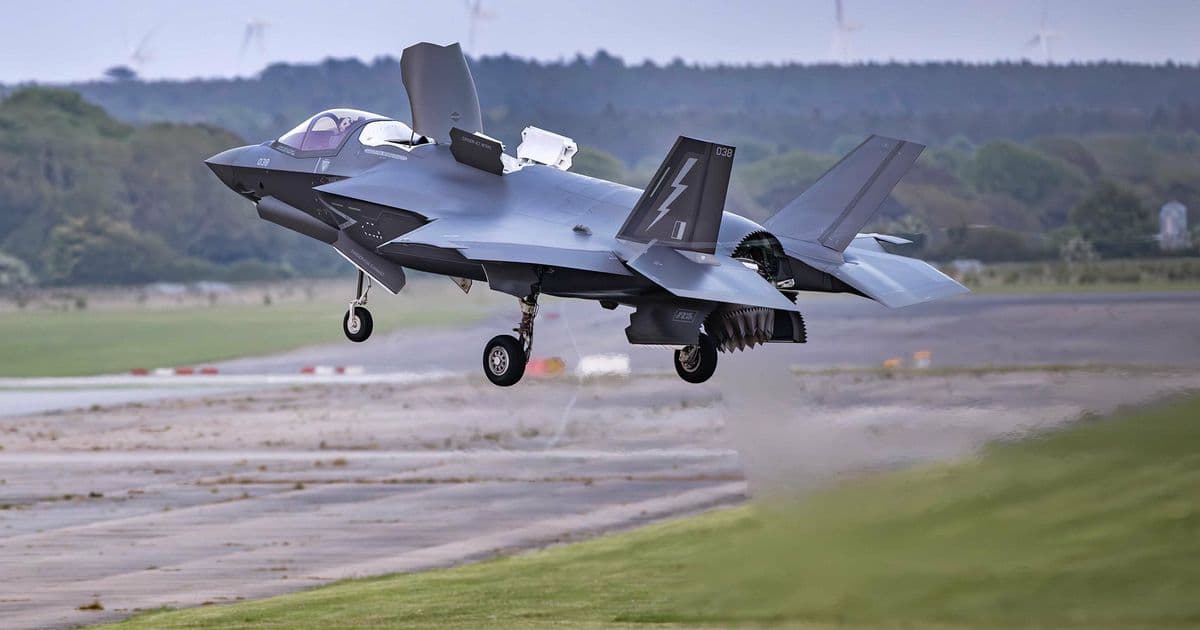
Netherlands Defense Secretary Gijs Tuinman asserts F-35 fighter jets can be jailbroken like consumer devices, prompting analysis of cybersecurity implications and operational independence for European operators.
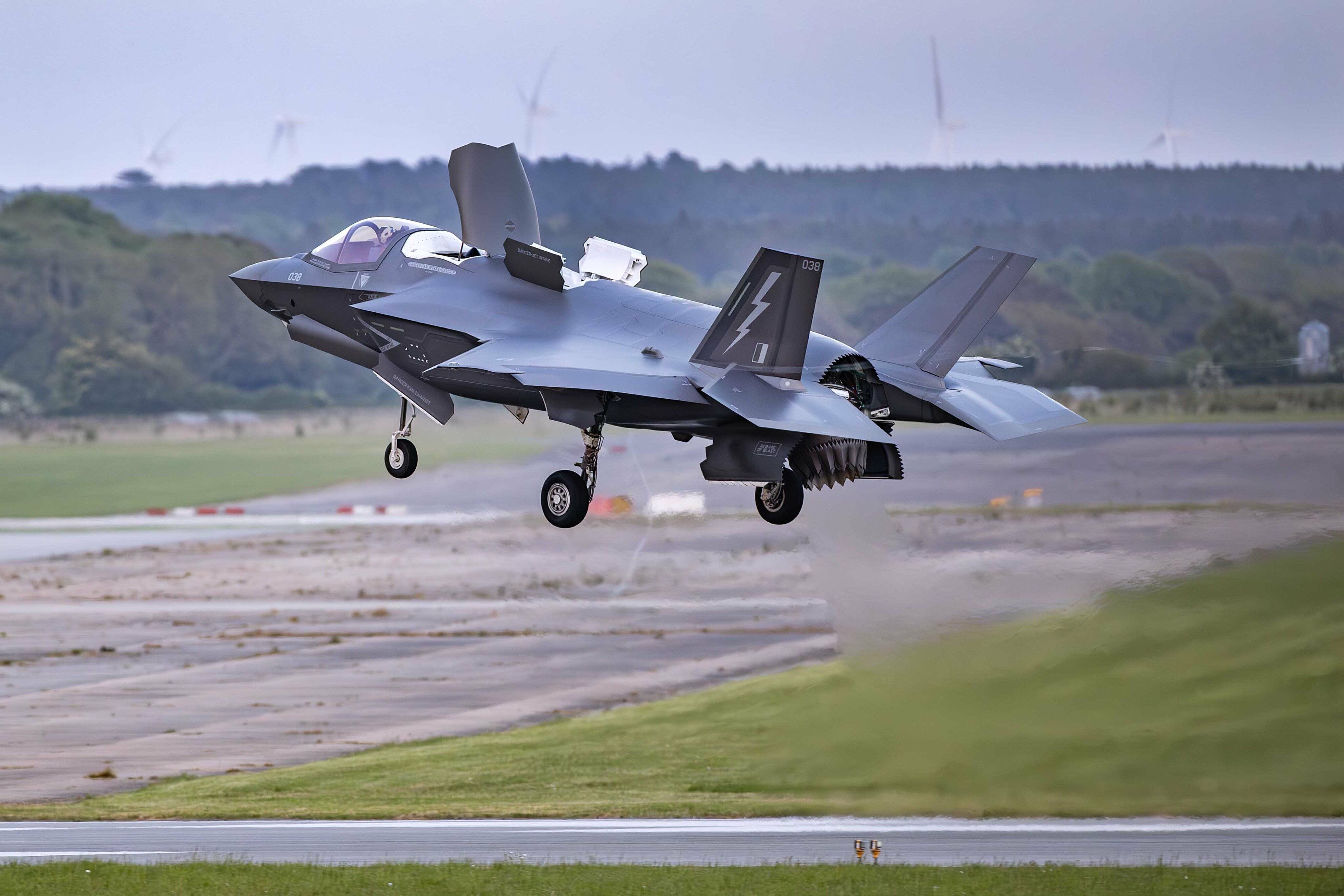
Dutch Defense Secretary Gijs Tuinman has publicly stated that Lockheed Martin's F-35 fighter aircraft can be jailbroken "just like an iPhone," revealing unexpected perspectives on military aircraft software control. This assertion emerged during a podcast interview with BNR's Boekestijn en De Wijk, addressing concerns about European operational independence should U.S. alliance dynamics shift.
Operational Independence and System Architecture
Tuinman emphasized the F-35's multinational development framework: "The F-35 is truly a shared product. The British make the Rolls-Royce engines, and the Americans simply need them too." His jailbreak comment suggests European forces could theoretically modify onboard systems without manufacturer approval, though he provided no technical specifics. This positions the F-35 uniquely among military platforms—where manufacturer lock-in typically prevents unauthorized modifications.
The F-35's software ecosystem operates through the Autonomic Logistics Information System (ALIS), which manages updates via periodic service packs. Lockheed Martin's standard contractual terms prohibit operator-level modifications, with Israel being the sole exception through a special agreement allowing custom software on its F-35I variant.
Cybersecurity Practicalities and Barriers
Ken Munro of Pen Test Partners contextualized Tuinman's claim: "Unlike consumer devices like iPhones accessible to researchers, one can't buy an F-35 on eBay." Three critical barriers prevent casual jailbreaking:
- Physical Access Restrictions: Military hardware remains inaccessible to independent security researchers
- Lack of Research Community: Absence of crowdsourced vulnerability discovery reduces accidental security flaw detection
- Commercial Incentive Gap: Unlike consumer devices, financial motivations for jailbreaking military systems are minimal
Munro noted, "We rely on defense contractors getting security right the first time" due to these constraints.
Geopolitical Context and Fleet Security Concerns
Tuinman's statement follows escalating European anxiety about U.S. control mechanisms:
- Joachim Schranzhofer of Hensoldt previously referenced F-35 "kill switch" capabilities amid U.S. military aid debates
- Portugal canceled F-35 procurement citing political concerns about U.S. influence
- UK defense spending analysis shows strategic pivots toward European partners
These developments underscore operational risks: Unauthorized modifications could compromise cryptographic systems, sensor calibration, and NATO interoperability standards. Conversely, manufacturer-controlled updates create dependency vulnerabilities if geopolitical relationships deteriorate.
Compliance Implications for Operators
Defense forces must navigate conflicting priorities:
- Airworthiness Compliance: Unauthorized modifications void manufacturer certifications and maintenance agreements
- Cybersecurity Tradeoffs: Jailbroken systems risk introducing vulnerabilities without manufacturer security patches
- Interoperability Requirements: Modified aircraft may fail to integrate with allied forces' networks and data systems
As Tuinman acknowledged, "The F-35 in its current state remains superior to alternatives"—suggesting operational necessity may outweigh modification ambitions. Defense ministries must now evaluate contingency plans balancing tactical flexibility against systemic security in their F-35 operations.
Comments
Please log in or register to join the discussion