Dutch cybersecurity expert Bert Hubert reports on a surge of activity around digital sovereignty, including a packed parliamentary roundtable, a prime-time TV special, and growing concerns about tech dependence on foreign powers.
Hallo allemaal,
Er is weer genoeg te vertellen! Zoveel dat ik vermoedelijk nog dingen vergeet in deze update. Dit is een kopie van een bericht op mijn nieuwsbrief. Schrijf u vooral ook in als u geen updates wil missen!
Prime Time Spotlight: Bureau Buitenland on NPO2
Om te beginnen het meest actuele: Zondag 21:30 op TV NPO2, Bureau Buitenland (VPRO) met Barbara Kathmann en mij over de geopolitiek van onze absurde digitale afhankelijkheden. Kijk vooral, we gaan ons best doen er een leerzame uitzending van te maken!
This prime-time television appearance represents a significant milestone in bringing the conversation about digital sovereignty to mainstream Dutch audiences. The VPRO's Bureau Buitenland is known for its in-depth geopolitical analysis, and dedicating an episode to the geopolitics of digital dependencies signals growing public awareness of these critical infrastructure issues.
Parliamentary Roundtable: "A Full Public Gallery Feeling Like Injustice"
Verder, ik wil iedereen enorm bedanken, ik riep u op om te komen naar het Rondetafelgesprek in de Tweede Kamer. Ik kwam om 18:00 uur aanlopen en er stond al een rij tot buiten! Uiteindelijk zijn er 4 zalen gevuld met bezoekers! De hele bijeenkomst is hier te streamen.
De enorme opkomst werd meerdere malen benoemd, ook in de media, bijvoorbeeld in het stuk "Bezorgdheid op een volle publieke tribune bij rondetafelgesprek over overname Solvinity: 'Voelt als onrecht'" (NRC).
The Trump Question: A Moment of Truth
Hoogtepunt voor mij was hoe de sprekers in de tweede ronde werd gevraagd of ze zich zorgen maakten over onze afhankelijk van Trump, en zijn mogelijkheid onze IT-systemen uit te zetten. Was een ja/nee vraag. Iedereen maakte zich zorgen behalve NLDigital (wat beter USDigital genoemd kan worden). Bekijk vooral de video van dit prachtige moment. "Dat gaat niet gebeuren" zeiden ze. De zaal moest er om lachen gelukkig.
NLDigital, waar het relevante leiderschap voornamelijk bij Amerikaanse big tech vandaan komt, is overigens door de Nederlandse overheid gevraagd hoe we weg moeten komen bij big tech, lezen we in dit uitstekende artikel in Trouw van Nienke Schipper.
This exchange perfectly illustrates the tension at the heart of the digital sovereignty debate. While most stakeholders recognize the geopolitical risks of dependency on foreign technology providers, industry representatives with deep ties to American tech giants maintain a more optimistic (or perhaps willfully blind) stance. The audience's laughter wasn't just about the absurdity of the claim—it was a collective recognition that the emperor has no clothes.
The Dutch Cloud Market Meets Parliament
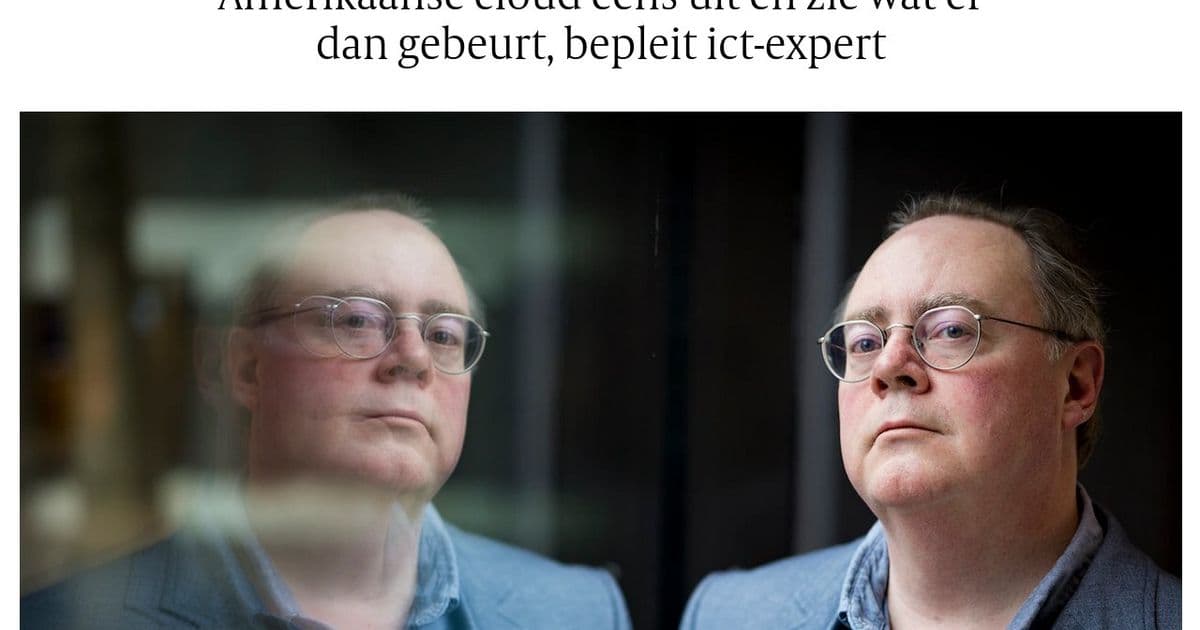
Afsluitend, in de Volkskrant stond een groot stuk over de bijeenkomst in de Tweede Kamer de dag voor het Rondetafelgesprek. Aanwezig waren vertegenwoordigers van de Nederlandse cloudmarkt. Ik mocht die bijeenkomst voorzitten (wat echt een heel maffe ervaring is). De Volkskrant schreef er een mooi stuk over:
Wat citaten: 'Kunt u daar nog even aan toevoegen hoeveel miljoen gebruikers u heeft?', vraagt Bert Hubert aan de directeur van een Nederlandse e-maildienst, nadat die zich heeft voorgesteld aan een zestal Kamerleden. De directeur: 'Drie miljoen gebruikers.' Het kan dus wél, wil Hubert maar zeggen, de samenleving laten draaien op Nederlandse technologie.
Die D66-campagnespreuk is al verworden tot kreet van deze bijeenkomst, zo eensgezind zijn de tien vertegenwoordigers van de Nederlandse techsector en de aanwezige Kamerleden, van wie de meeste lid zijn van de vaste commissie digitale zaken. Het hele verhaal staat hier (backup link).
The Growing Movement for Digital Sovereignty
What's remarkable about these events is how they represent different facets of the same growing movement. The parliamentary roundtable shows political will and public engagement. The TV special brings the conversation to millions of households. The meeting with cloud providers demonstrates that alternatives exist and are already serving millions of users.
The phrase "het kan dus wél" (it can be done) has become a rallying cry, challenging the narrative that we're inevitably dependent on foreign technology giants. With Dutch companies already serving 3 million email users and other critical services, the technical capability exists—what's needed now is the political and economic will to scale these alternatives.
Looking Ahead
These events mark a turning point in the Dutch conversation about digital sovereignty. What was once a niche concern among tech policy experts is now entering mainstream political and public discourse. The question is no longer whether we should reduce our dependencies, but how quickly we can build viable alternatives.
As the TV special airs and the parliamentary discussions continue, one thing is clear: the Dutch are no longer willing to accept the "absurd digital dependencies" that have crept into their critical infrastructure. Whether this translates into concrete policy changes remains to be seen, but the momentum is undeniable.
Tot zover!
Comments
Please log in or register to join the discussion