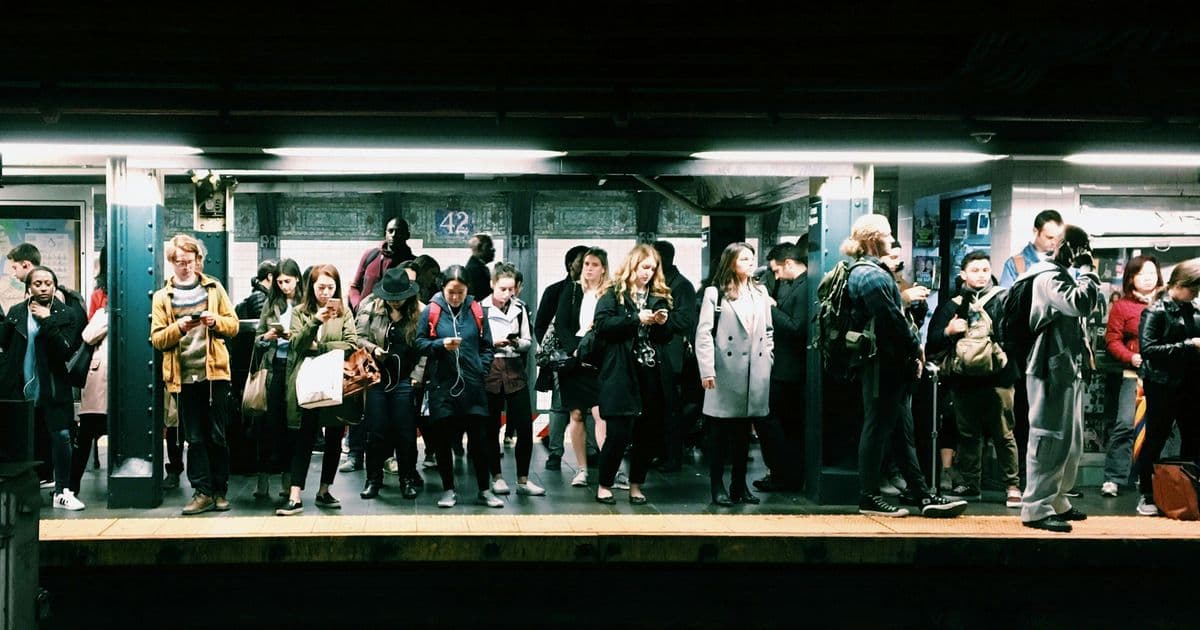
Amid rising safety concerns in NYC's subway system, officials deploy National Guard and crime-fighting tech while overlooking a proven solution: platform barriers that could prevent tragic deaths on the tracks.
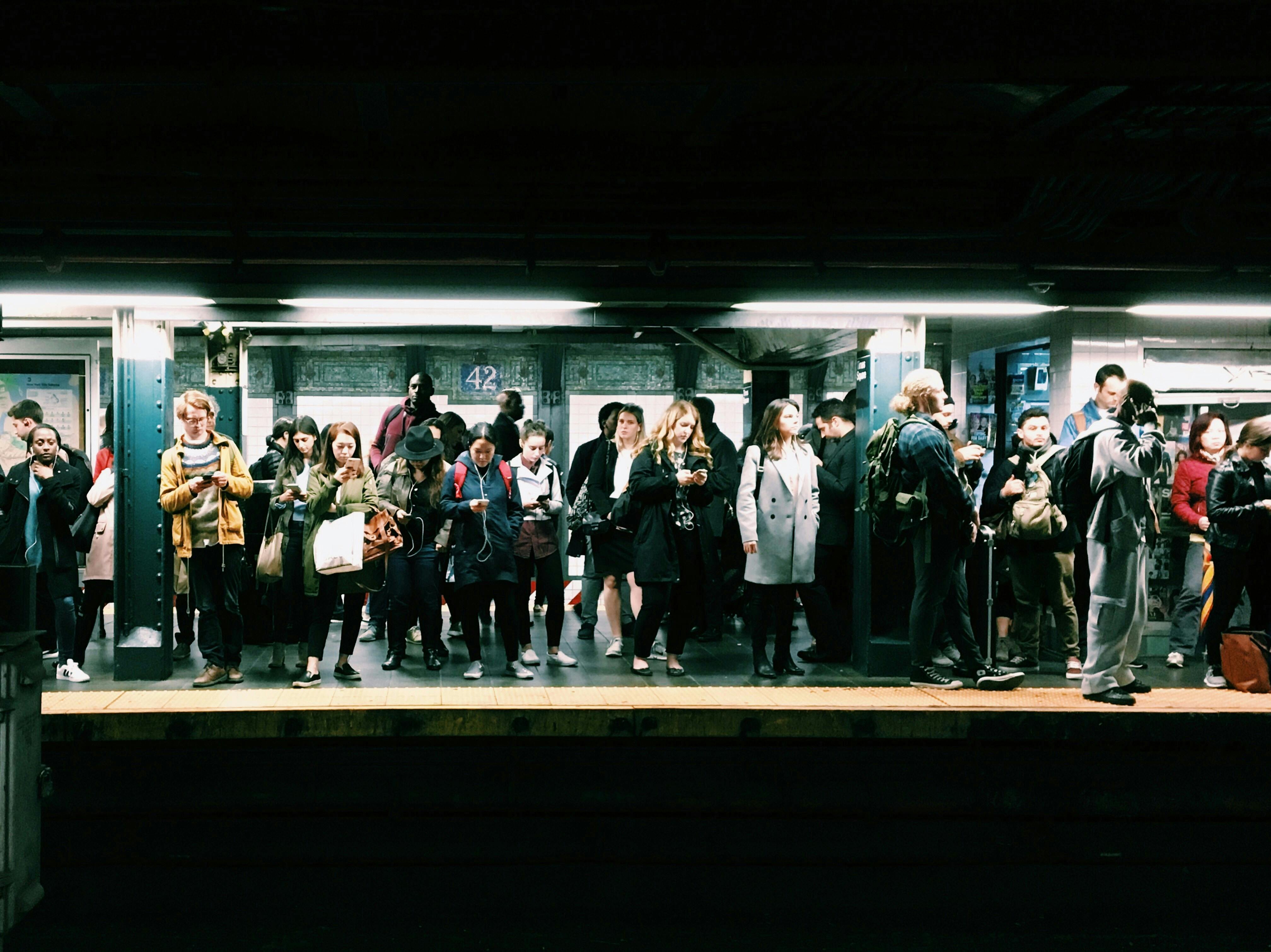
New York City's subway system faces heightened safety concerns following several high-profile violent incidents. While Governor Kathy Hochul deployed 750 National Guard soldiers for bag checks and Mayor Eric Adams added 800 police officers, data reveals a more nuanced reality. Crime statistics show approximately one violent incident per million rides, with overall transit crime decreasing nearly 24% in early 2024 according to NYPD reports.
Despite this relative safety, public perception remains fraught. Adams' administration has turned to technology solutions, including:
- Gun detection systems: Currently in pilot phase at select stations
- Knightscope security robots: 400-pound autonomous units deployed at Times Square station
- Enhanced surveillance infrastructure
Yet these measures overlook a proven safety intervention: platform barriers. Last week's fatal pushing incident in Harlem highlights their absence. Platform screen doors could prevent such tragedies by physically separating passengers from tracks.
The Metropolitan Transportation Authority (MTA) completed a feasibility study in 2020 analyzing barriers across its 472 stations. Key findings include:
| Implementation Challenge | Details |
|---|---|
| Station Compatibility | Only 128 stations (27%) suitable for retrofitting |
| Structural Limitations | Platform widths, height restrictions, and accessibility requirements |
| Rolling Stock Variations | Incompatible door positions across train models |
| Cost Estimates | $6.5-7 billion for installation plus $119M annual maintenance |
Currently, only one Manhattan station features partial barriers—steel fences bolted to the ground that don't fully seal the platform edge. While gun detectors and surveillance robots capture headlines, these basic physical interventions remain NYC's most practical solution for preventing track-related deaths.
The funding required for comprehensive barrier implementation presents significant hurdles. However, prioritizing high-incidence stations could create meaningful impact. As cities like London, Paris, and Tokyo demonstrate with their barrier systems, this infrastructure investment ultimately saves lives where policing and surveillance cannot.
New York's subway carries over 3 million daily riders through century-old infrastructure. While high-tech security tools generate political visibility, the steel barriers at platform edges represent a tangible opportunity to address the subway's most preventable tragedies.
Comments
Please log in or register to join the discussion