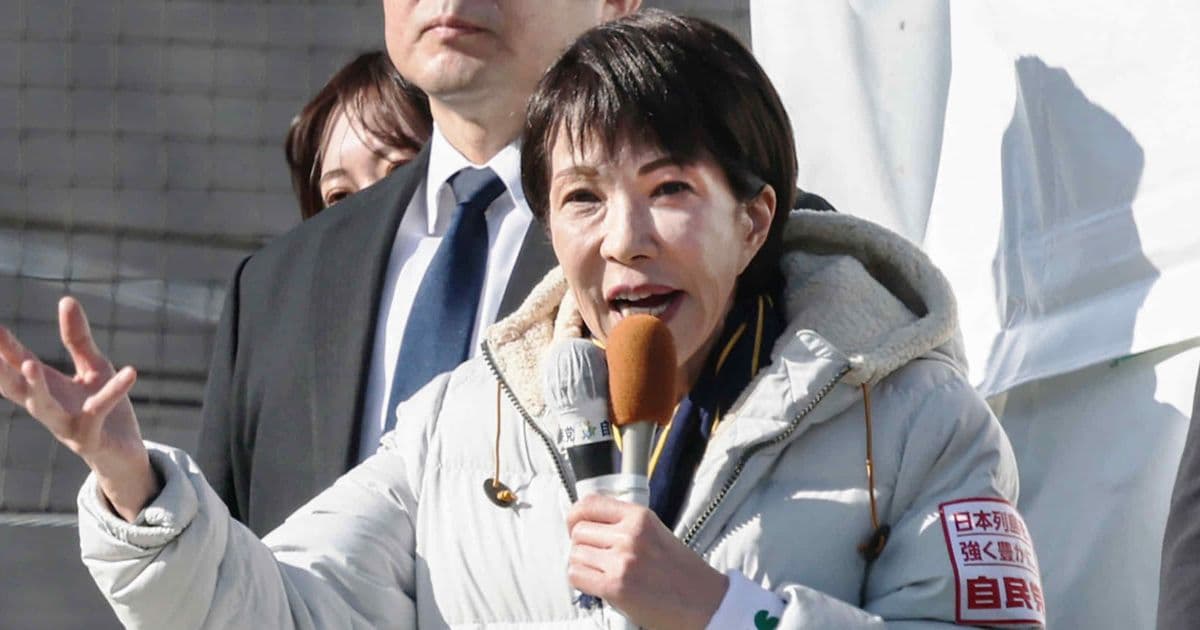
Prime Minister Sanae Takaichi's coalition seeks decisive lower house control in a winter election dominated by inflation concerns and tax cut pledges, with potential market implications.
Japan's unprecedented winter election concluded Sunday amid record snowfall, testing Prime Minister Sanae Takaichi's gamble for a stronger mandate nearly 15 months ahead of schedule. With over 103 million eligible voters, the snap poll occurred during what meteorologists called the heaviest snowfall this winter, raising concerns about suppressed turnout despite early voting hitting 20.79 million ballots – a 26.6% increase from the previous election's comparable period. 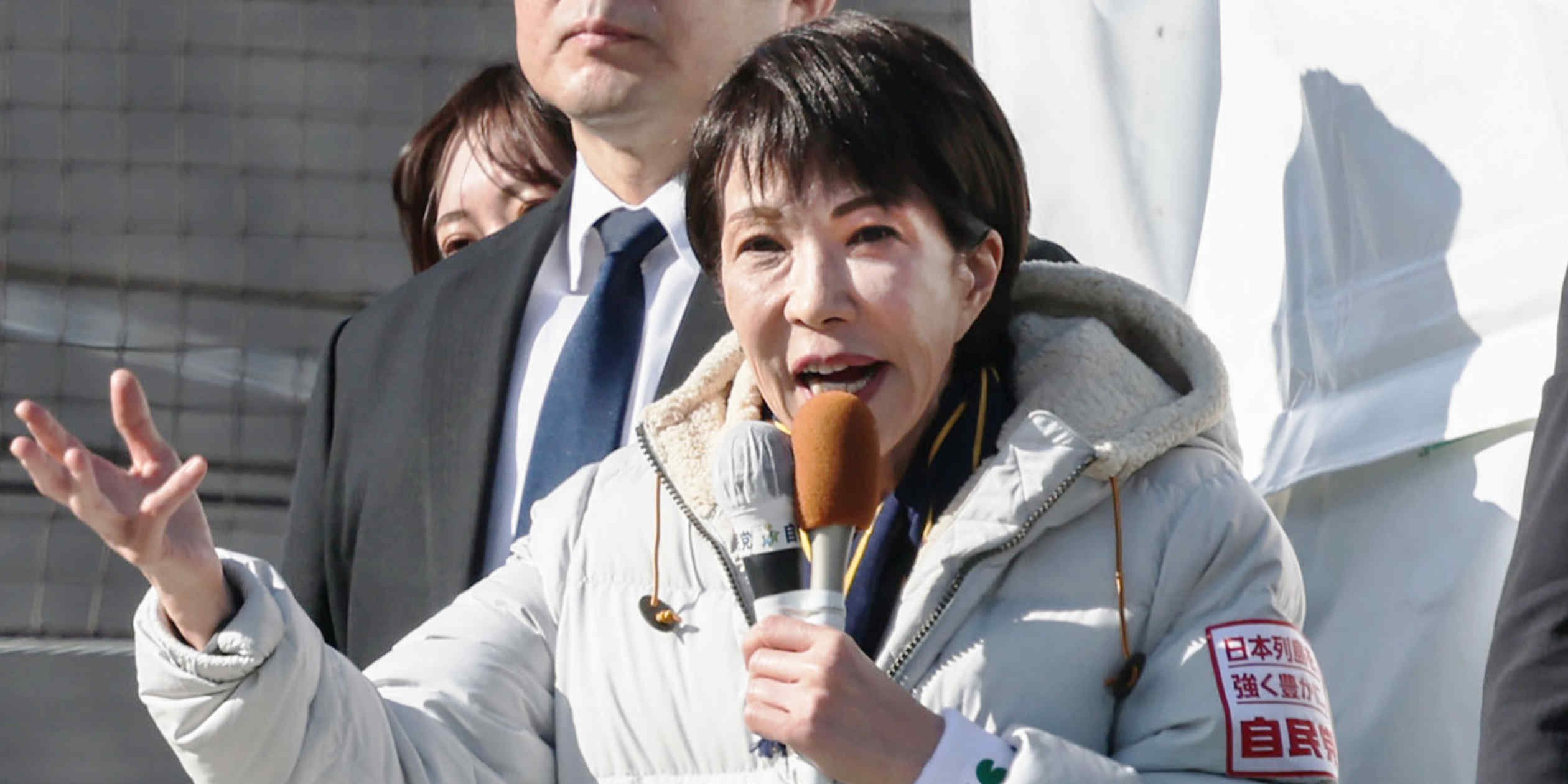
Economic Pressure Points
At the core of this election lies Japan's persistent inflation crisis. The consumer price index has risen for nearly four consecutive years, with real wages declining for 11 straight months. Food prices have surged particularly sharply, prompting competing tax proposals:
- Ruling coalition (LDP + Japan Innovation Party): Two-year suspension of 10% consumption tax on food (estimated fiscal impact: ¥5 trillion/year revenue loss)
- Centrist Reform Alliance: Permanent elimination of consumption tax on food
- Democratic Party for the People: Temporary reduction to 5% until inflation stabilizes
These measures represent significant fiscal tradeoffs. Japan's public debt remains at 263% of GDP, yet all major parties acknowledge consumer distress necessitates intervention. The Nikkei's pre-election poll indicated Takaichi's coalition could secure over 300 seats, potentially enabling swift implementation of her economic agenda.
Market and Geopolitical Implications
A decisive victory would accelerate several policy shifts with market consequences:
- Defense expansion: Plans to relax equipment export restrictions and increase defense spending amid tensions with China, following Takaichi's November comments regarding potential intervention in Taiwan scenarios
- Immigration reforms: Record foreign worker levels (25.7 million) and tourism (40+ million visitors) have sparked proposals ranging from tightened residency requirements (Sanseito party) to revised property ownership rules (LDP)
- Osaka development: Japan Innovation Party's push to implement its "second capital vision" could redirect investment from Tokyo to western Japan
U.S. President Donald Trump's endorsement emphasized geopolitical stakes, calling Takaichi "a strong, powerful, and wise Leader" in a Truth Social post that highlighted the election's international significance.
Fiscal Calculus
Any consumption tax reduction requires compensatory financing. The Centrist Reform Alliance proposes funding cuts through sovereign wealth fund returns, while other parties remain vague on offset mechanisms. Economists note that without corresponding spending cuts or alternative revenue streams, tax reductions could pressure bond markets given Japan's debt servicing costs.
With vote counting concluding Monday, markets will scrutinize the coalition's actual seat count versus projections. A supermajority (≥310 seats) would ease passage of controversial legislation, including constitutional amendments. However, voter concerns about inflation relief remain paramount – a factor that likely outweighed weather disruptions for those braving the blizzard to cast ballots.
Comments
Please log in or register to join the discussion