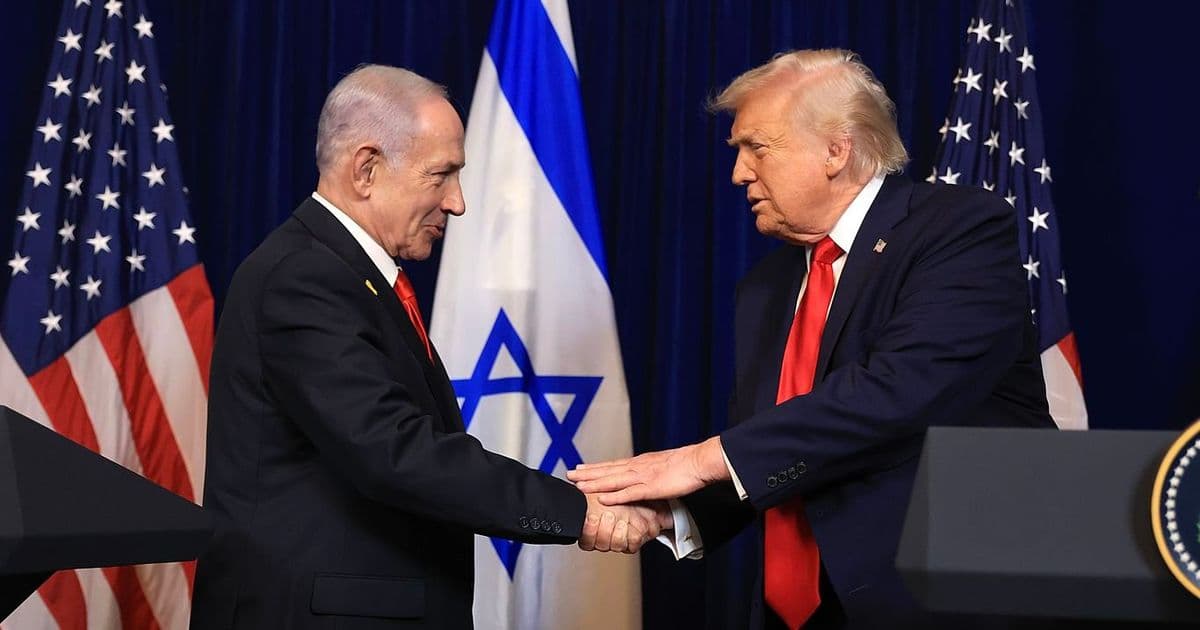
Israeli Prime Minister Netanyahu's urgent meeting with President Trump signals critical alignment on Iran policy ahead of nuclear negotiations, with immediate implications for oil markets and defense sectors.
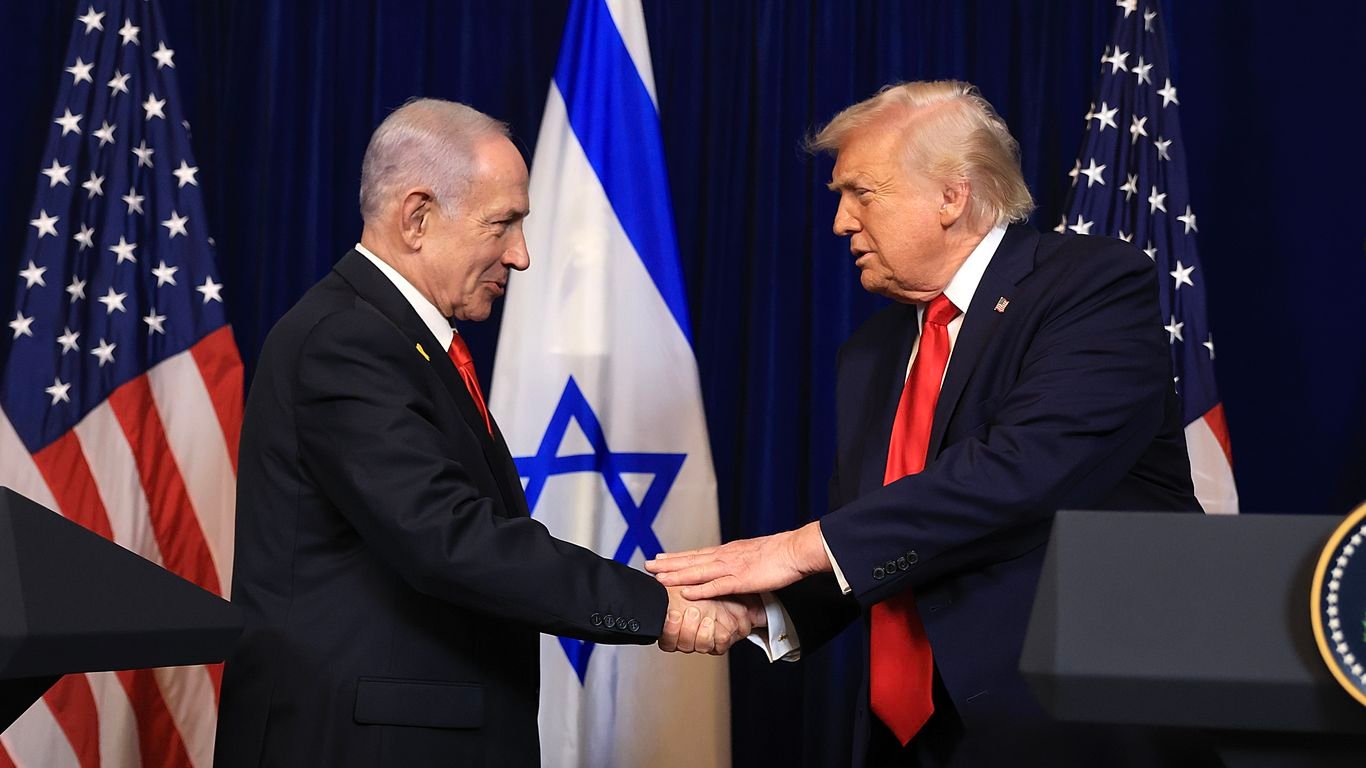
Israeli Prime Minister Benjamin Netanyahu will meet with President Trump at the White House on Wednesday amid escalating tensions over Iran's nuclear program. This urgent diplomatic engagement occurs as the Biden administration prepares to re-enter nuclear negotiations with Tehran, creating significant market uncertainty across energy and defense sectors.
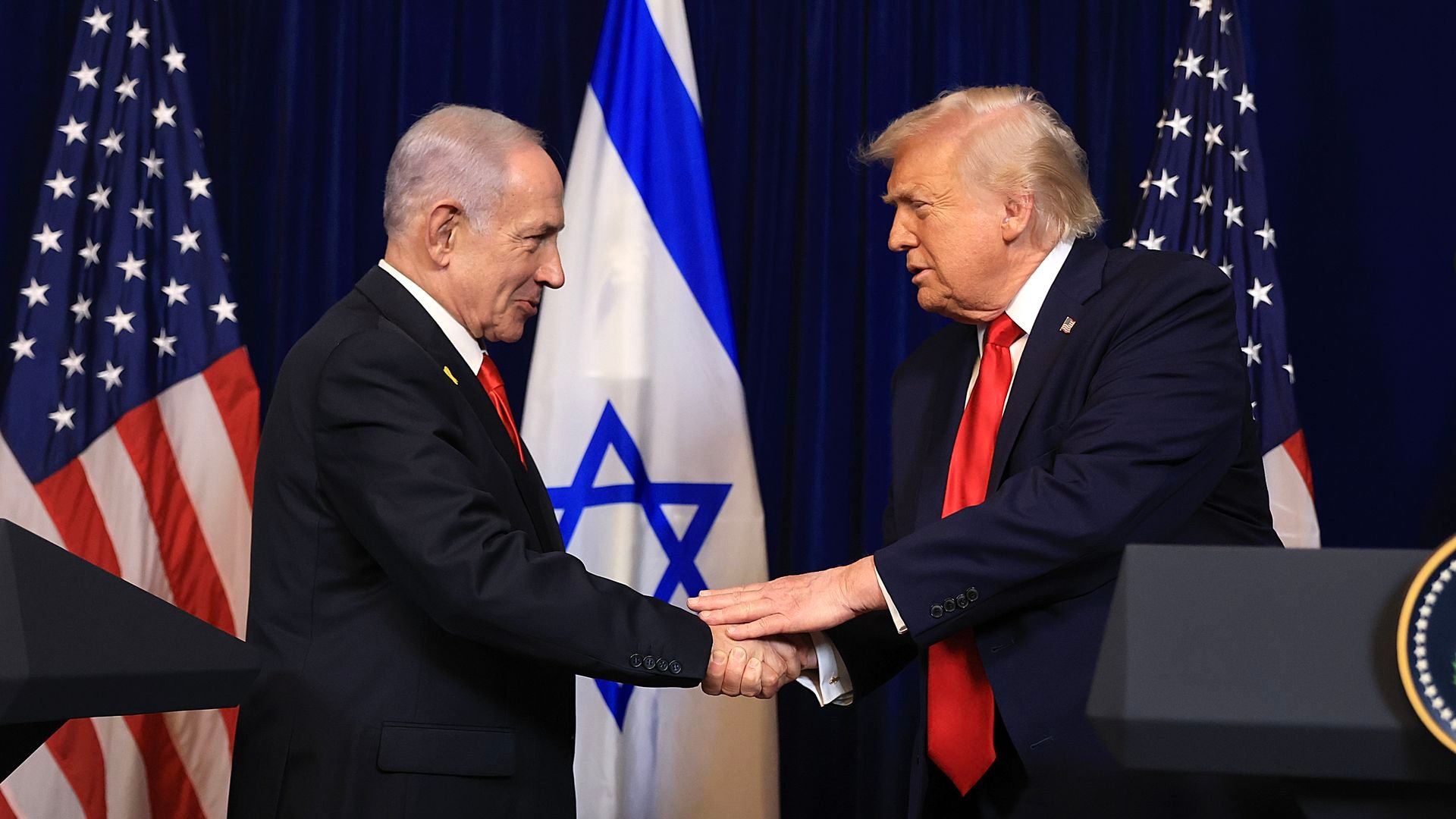
Financial markets reacted immediately to the announcement, with Brent crude futures rising 2.3% to $71.28 per barrel on supply disruption concerns. Defense stocks saw notable activity, with Lockheed Martin (LMT) climbing 1.8% and Raytheon Technologies (RTX) gaining 1.5% in early trading. The meeting's timing is strategically significant, occurring just days before multilateral talks resume on reviving the 2015 nuclear accord that both leaders previously opposed.
The Trump administration's maximum pressure campaign crippled Iran's oil exports, reducing shipments from 2.5 million barrels per day in 2018 to approximately 500,000 barrels currently. Any policy shift could reintroduce over 1 million barrels daily to global markets, potentially lowering oil prices by $5-7 per barrel according to Rystad Energy analysts. Such movement would directly impact U.S. shale producers and OPEC+ market stabilization efforts.
Defense contractors face opposing scenarios: Easing sanctions might reduce immediate demand for missile defense systems in the Gulf region, where the U.S. has deployed $15 billion in arms sales to allies since 2020. Conversely, failed negotiations could trigger expanded defense procurement, particularly for Israel's Iron Dome and David's Sling systems where Raytheon and Rafael Advanced Defense Systems maintain production partnerships.
Regional instability risks remain elevated. Maritime insurance premiums for Persian Gulf transit have increased 25% year-over-year, while commercial shipping rerouting adds approximately $0.50 per barrel to transport costs. The Strait of Hormuz, conduit for 21% of global petroleum consumption, faces renewed vulnerability to disruption.
Investors should monitor three key indicators following the meeting: adjustments to U.S. sanctions enforcement mechanisms, changes in Israeli military readiness levels, and signals regarding Gulf state security guarantees. Market volatility will likely persist until clear policy trajectories emerge, particularly affecting energy equities and defense sector valuations.
Comments
Please log in or register to join the discussion