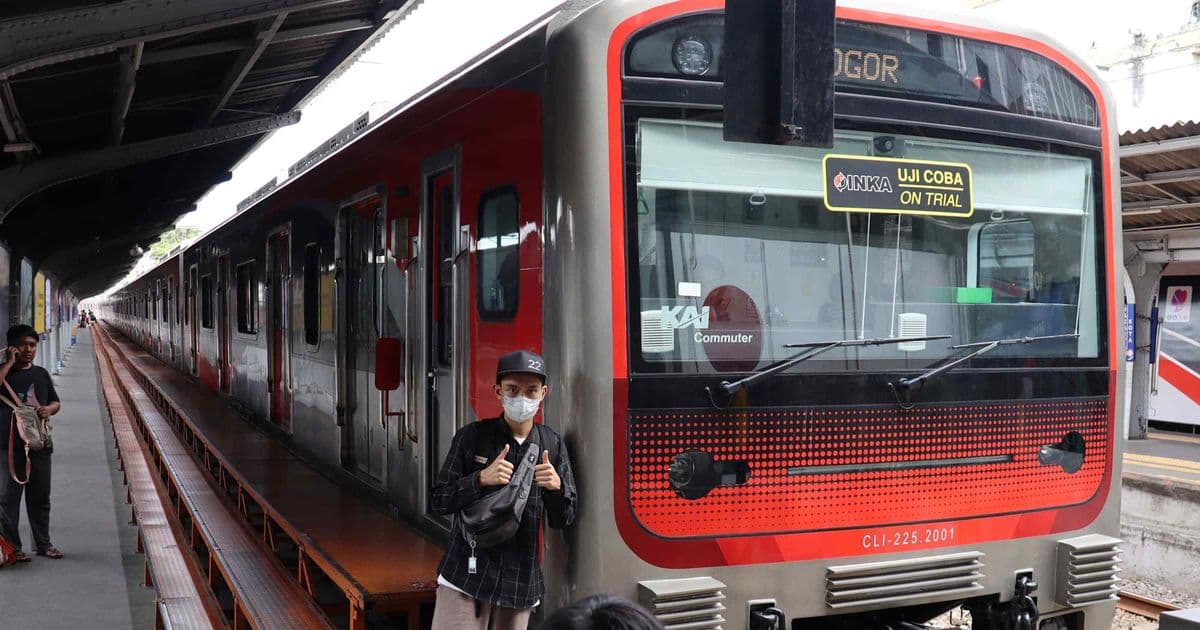
Indonesia's national railway operator KAI is replacing Jakarta's iconic Japanese commuter trains with Chinese-manufactured railcars and domestically built models from Industri Kereta Api, signaling a strategic pivot in Southeast Asia's rail procurement landscape.
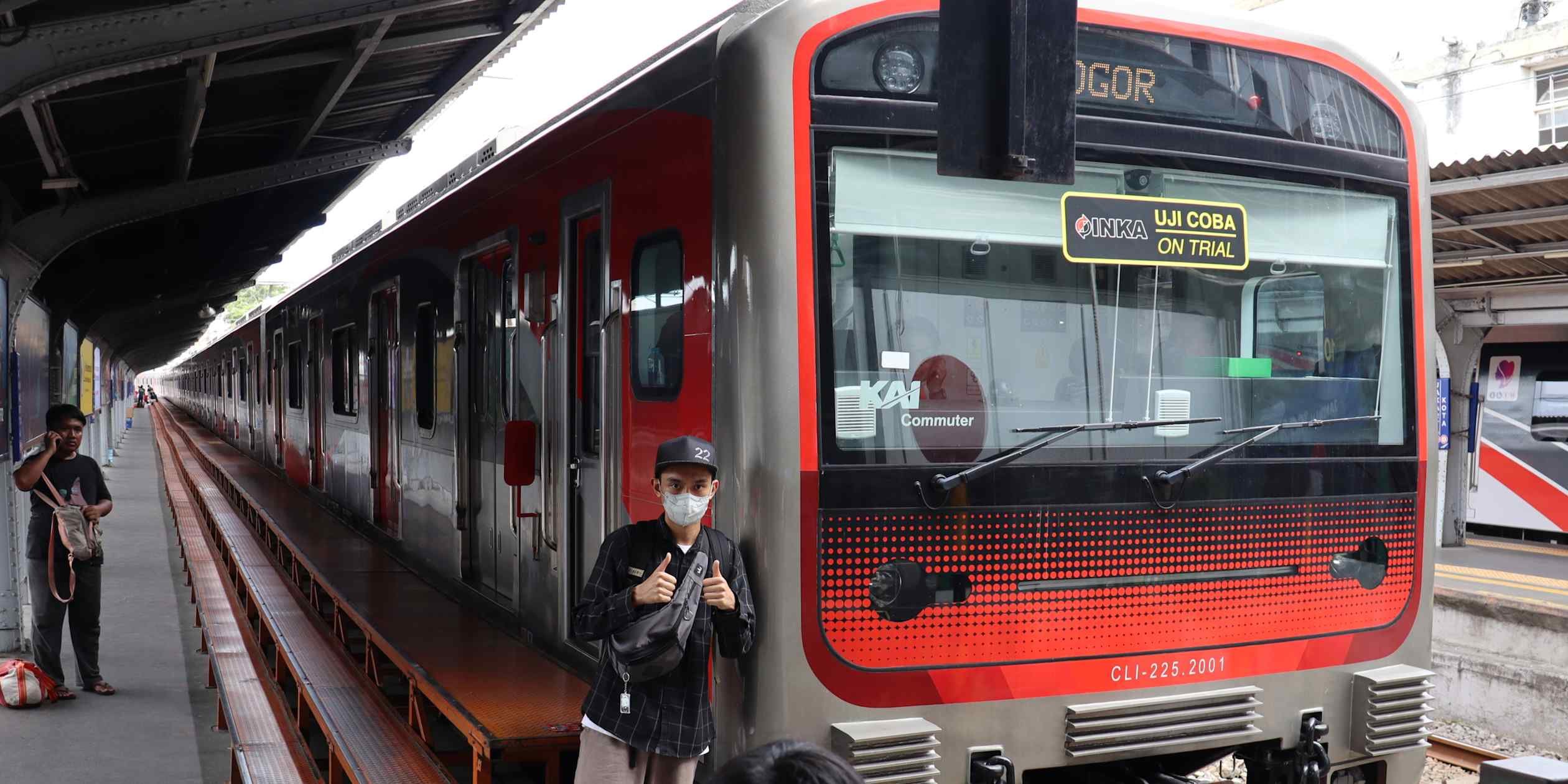
Indonesia's state-owned railway operator Kereta Api Indonesia (KAI) has initiated a systematic replacement of Jakarta's commuter rail fleet, retiring aging Japanese-built trains in favor of new rolling stock from Chinese manufacturers and local producer Industri Kereta Api (INKA). This transition marks a significant strategic shift in Indonesia's rail infrastructure development, with implications for regional manufacturing competitiveness and geopolitical influence in Southeast Asia's transportation sector.
The retiring Japanese trains, originally secondhand imports that became popular among rail enthusiasts, have served Jakarta's commuter lines for decades. Their phased removal coincides with Indonesia's broader urban transit modernization program aimed at increasing capacity and reliability across the Greater Jakarta network, which transports over 1 million passengers daily. While KAI hasn't disclosed exact financial terms, industry analysts note Chinese rolling stock typically carries a 20-30% cost advantage over Japanese equivalents, with Indonesian-built trains offering further long-term maintenance savings through domestic supply chains.
China's rail manufacturing sector, led by CRRC Corporation, has aggressively expanded export markets through competitive financing packages tied to Beijing's Belt and Road Initiative. Indonesia's adoption of Chinese trains follows similar procurement shifts in Thailand and Malaysia, where Chinese manufacturers captured 45% of new urban rail vehicle contracts between 2020-2025 according to Southeast Asia Rail Market Monitor data. Concurrently, Indonesia's investment in INKA's production capabilities aligns with national industrial policy mandating 40% domestic content in transportation projects.
This procurement shift carries multiple strategic implications. For Japan, which historically dominated Indonesia's rail market through JICA-funded projects, it represents erosion of a key export sector where Japanese manufacturers face pricing pressure from Chinese competitors. For Indonesia, blending Chinese imports with domestic production creates near-term cost efficiencies while building local technical capacity—INKA recently secured export contracts to Bangladesh and the Philippines. However, reliance on Chinese technology transfers risks creating long-term dependencies, as seen in maintenance challenges with Chinese-built high-speed rail in Indonesia.
The fleet transition reflects broader Southeast Asian infrastructure trends where cost competitiveness increasingly outweighs historical supplier relationships. With Jakarta planning 300km of new urban rail lines by 2035 and Vietnam developing its first metro systems, manufacturers offering integrated financing and local production partnerships stand to gain market share. Indonesia's hybrid approach—combining Chinese procurement with domestic manufacturing—may become a template for emerging economies balancing budgetary constraints against industrial development goals.
Comments
Please log in or register to join the discussion